Why Madeira Beach Is a Standout Dolphin Destination
Madeira Beach occupies a sweet spot along Florida’s Gulf Coast where geographic ingredients—shallow continental shelves, protected passes, and an abundance of baitfish—combine to create reliably good dolphin habitat. Bottlenose dolphins here are both residents and seasonal visitors; some individuals hold small home ranges in the bay and estuaries around John's Pass, while larger transient groups cruise the outer bars and nearshore waters. That mix makes Madeira Beach unusually forgiving for people who want to see dolphins without venturing into blue-water conditions. Long summer days bring glassy seas ideal for kayak and SUP tours; shoulder seasons scatter cool mornings and fewer crowds that encourage calm, thoughtful wildlife photography. Even winter days can produce lively pods near the pass as fish follow changing currents.
But the appeal goes beyond the animals themselves. Madeira Beach is threaded with maritime history, working docks, and a local fishing culture that has long coexisted with dolphins. Guides here often pair natural history—how tidal flows shape bait schools, how mother–calf bonds influence pod movement—with cultural stories about shrimp boats, shelling, and the small businesses of John's Pass. That contextual layer transforms a sighting into a richer encounter: you’re not just ticking an animal off a list, you’re watching an ecosystem perform in front of a shoreline community. Responsible operators emphasize viewing protocols—no chasing, slow approach, and maintaining distance when dolphins show sensitive behaviors—so most tours focus on patient observation, binocular and camera etiquette, and sharing knowledge about local conservation challenges like water quality and vessel strike mitigation.
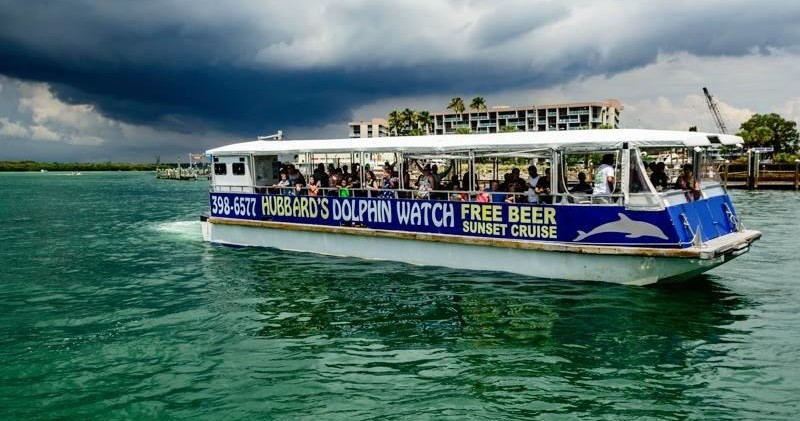
For planners, Madeira Beach offers a low-barrier introduction to marine mammal watching. Many of the bay’s best vantage points are accessible from shore—sunset from the John's Pass boardwalk or early morning from Madeira Way—while a range of guided options fit varied comfort levels: short, family-friendly boat cruises; kayak trips that track pods in protected channels; and private charters for photographers seeking a customized itinerary. Complementary activities round out a dolphin-focused trip: snorkeling shallow reefs, chasing shore birds on the intertidal flats, or tacking a sunset sail onto an afternoon watching session. The practical result is a destination where encounters feel both immediate and manageable—perfect for travelers craving proximity to wildlife without the commitment of an offshore expedition.
Madeira Beach’s geography makes it a reliable place to find dolphins close to shore: estuaries and passes funnel baitfish, creating predictable feeding spots that local guides know well. That predictability supports shorter excursions and family-friendly outings where guests spend more time observing and less time motoring.
Conservation-minded operators are common; look for tours that follow NOAA viewing guidelines, limit group sizes, and brief passengers on how to minimize disturbance. Pair dolphin watching with other low-impact activities—kayaking, birding, and shoreline shelling—to deepen your sense of place while keeping your footprint light.