Top Hiking Adventures in Makawao, Hawaii
Makawao Hiking Guide

Top Hiking Adventures in Makawao, Hawaii

Makawao sits in Maui’s upcountry—an unlikely portal from leafy town center to volcanic summits and ranchland ridgelines. This guide focuses on hiking routes accessible from Makawao: forest loops, high-elevation trailheads that feed into Haleakalā, and old ranch roads that trace the island’s paniolo (cowboy) history.

Haleakalā National ParkUpcountry MauiPolipoli/Kuiki Forest Reserve

Live destination inventory

Top Hiking Trips in Makawao

62 trips · Book with confidence · Instant confirmation

The prototype intentionally does not invent replacement trip cards or add images that are not already part of the live source page.

The city from the water

Why Makawao Is a Standout Hiking Destination

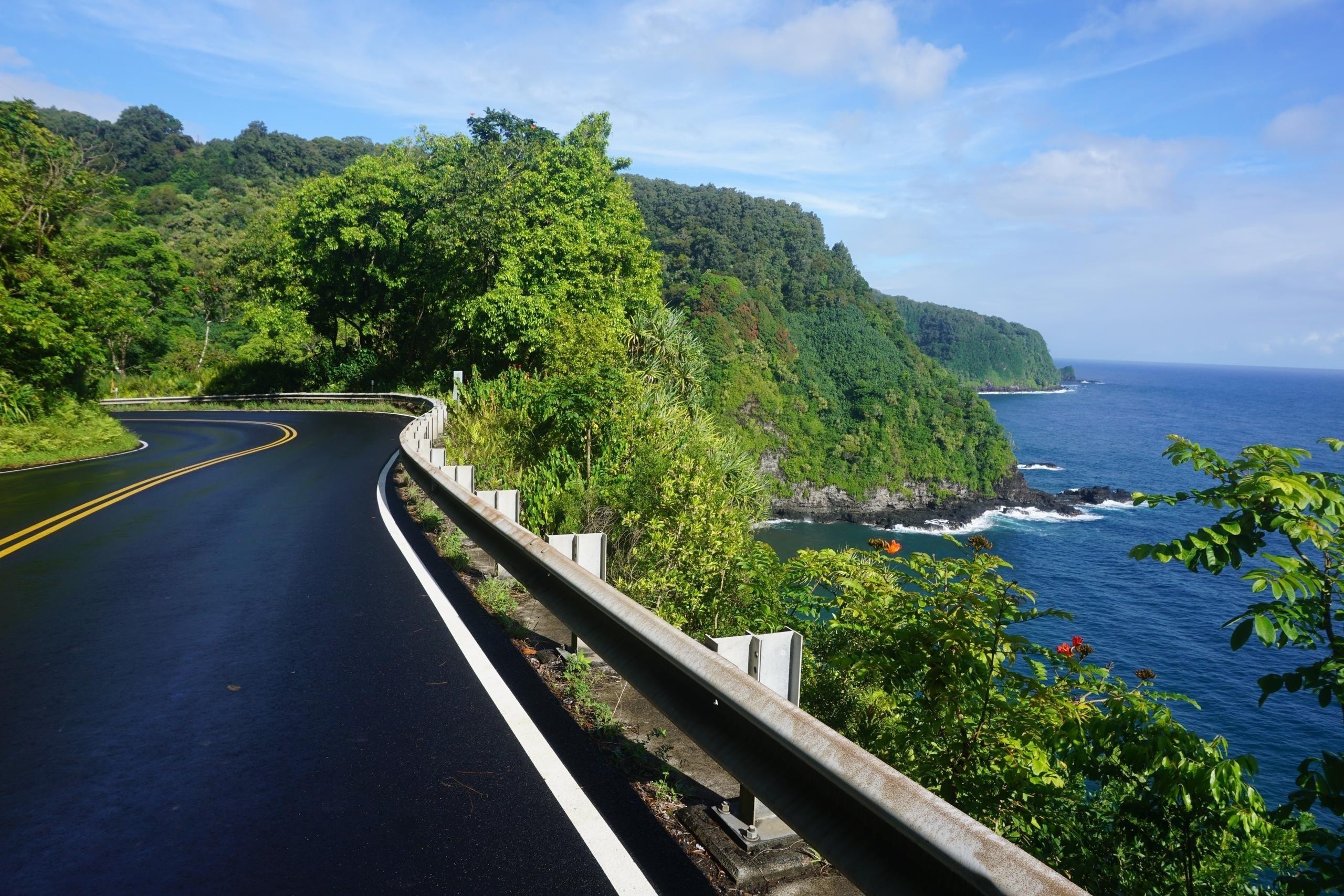
Makawao is a small upcountry town with a big landscape personality. Nestled on the slopes of Haleakalā, the town’s dusty paniolo storefronts and eucalyptus-lined streets are minutes from some of Maui’s most dramatic contrasts: misty subalpine forest, rolling pastureland, and the volcanic summit zone where cinder deserts and alpine shrubs meet the Pacific sky. Hikes launching from or near Makawao reward you with a sequence of environments rarely compressed so neatly anywhere else—oak and eucalyptus groves that feel almost temperate; old ranch roads that carve gentle grades for long, easy miles; and high, exposed ridgelines that deliver raw views into Haleakalā’s crater and down the sloping island towards the ocean. The appeal is practical as much as it is scenic. Trails around Makawao offer approachable options for families and novice hikers—short loops with dense canopy cover and birdlife—while also giving serious hikers access to long ridge walks, summit approaches, and links into the network of routes on Haleakalā’s flanks. Because the area sits at elevation, the microclimates can change quickly: mornings may be clear and crisp, afternoons carry the trade-wind showers up the slopes, and summit zones can be stark, windy, and much colder than the coast. That variability is part of the draw: one morning you’ll move through fern and koa understory, and by noon you might be stepping across volcanic cinder on a tundra-like saddle. Beyond terrain, Makawao’s cultural texture enriches the trail experience. The area’s paniolo heritage—ranchers and cowboys who reshaped the island’s uplands—left behind a network of roads and fences that now serve as trail corridors. Native Hawaiian place names and stewardship practices still influence how land is used and accessed, so hikers will notice interpretive signs, historic markers, and community-run preserves that invite respectful exploration. Because many trails thread through a patchwork of public reserves, national park lands, and private ranch parcels, planning matters: check access rules, parking options, and seasonal closures before you go. In practice, Makawao is uniquely positioned: it’s compact and welcoming as a base, but it opens quickly into a broad, high-country playground—ideal for short morning hikes, long ridge days, and linking up with Haleakalā’s iconic summit trails.

The variety is the draw: eucalyptus-shaded loops, pastoral road walks, and high-elevation volcanic terrain all sit within short drives of Makawao’s center.

Seasonal weather—trade-wind showers, winter storms that can reach the summit, and the dry summers of lower elevations—reshapes trail conditions and views; flexibility and layered clothing are essential.
Activity focus

Choose by purpose

Whale watching, snorkeling, sunset sailing, cultural canoeing, harbor sightseeing, or private chartering.

Departure hubs

Start near the city

Waikiki and Honolulu Harbor are primary hubs, with some trips launching near Hanauma Bay.

Accessibility

Confirm the vessel

Gangways, shaded seating, and boarding requirements vary according to vessel size and operator.

Seasonal planning

Best Time to Visit

Makawao is warm year-round, but wind, swell, migration, visibility, and demand change the best match between traveler and trip.

Makawao boat tour
Year-round destination

Seasonal highlights change the reason to go

Winter favors humpback encounters; warmer, calmer months favor snorkeling visibility and smoother water.

Humpback season

Clear, calm mornings around late winter to spring and holiday weekends when visitors come for sunrise and summit access.

Prime whale watching, winter holidays, higher demand, and earlier sell-outs.

Snorkeling window

April–May–September–October

Typically gentler seas and clearer water for snorkeling trips.

Weather notes

Trade winds year-round

Spring and fall often offer the most stable weather and clearer summit views. Trade-wind showers can develop in afternoons year-round; winter storms can bring cooler, windy conditions at higher elevations. Temperatures drop noticeably with elevation—plan for sun at town level and chill at the summit.

Quieter opportunities

Late spring & summer weekdays

Weekdays in summer and winter can provide quiet solitude on popular loops. Off-season hikes reward early starts to avoid afternoon showers and offer lower visitor density.

Match the trip to your comfort

Choose Your Experience Level

Low effort

Beginner

Short, lower-elevation loops and easy graded ranch roads with minimal technical terrain—good for families and casual walkers.

  • Hosmer Grove loop
  • Makawao town nature walk
  • Short eucalyptus-forest trail near Polipoli access roads
Active day trip

Intermediate

Half-day ridge walks, longer forest-to-summit approaches, and routes with sustained elevation gain and mixed footing.

  • Polipoli to Kuiki ridge routes
  • Forest-to-summit connectors on Haleakalā’s lower flanks
  • Long ranch-road traverses with varied terrain
Longer or technical

Advanced

All-day summit approaches, steep ascents across loose cinder and exposed ridgelines, or multi-basin traverses that require route-finding and endurance.

  • Haleakalā summit trail and crater rim traverses
  • Extended backcountry ridgeline crossings
  • Technical descents from high-elevation saddles

Prepare for sun, spray, and swell

What to Bring

Essential

Core kit

  • Sturdy trail shoes or hiking boots (grip for cinder and rooty forest)
  • Water (extra for high-elevation or long ridge hikes) and snacks
  • Layered clothing: wind shell and insulating mid-layer
  • Sun protection: hat, sunscreen, sunglasses
  • Navigation: offline map or GPS app (cell service is spotty at elevation)
Recommended

Useful extras

  • Trekking poles for steep or loose sections
  • Small first-aid kit and blister care
  • Light headlamp for early-sunrise departures
  • Light gaiters if conditions are dusty or muddy
Optional

Trip-specific

  • Binoculars for seabird and forest-bird viewing
  • Camera with wide-angle lens for summit vistas
  • Warm hat and gloves for summit winds and cold mornings
Always verify trail access, closures, weather alerts, and seasonal regulations before heading out.

Insider Tips & Local Knowledge

Reserve whale-watching and popular sunset cruises well ahead during December–April.
Choose morning snorkeling departures for calmer seas and better underwater visibility.
For motion sensitivity, choose a larger vessel, sit mid-ship, and take preventative medication before boarding.
Do not touch coral or wildlife, avoid standing on reefs, and use reef-safe sunscreen.
Community-based operators may add context about traditional navigation and stewardship.
Arrive early for parking and check-in because Waikiki departure areas can be busy.

Planning questions

Frequently Asked Questions

Most informal day hikes and town-area loops do not require permits, but sections that enter national park lands or gated reserves may have access rules—verify regulations and any vehicle or reservation requirements before you go.
Top Hiking Adventures in Makawao, Hawaii
Ready for your hiking adventure?

Browse 62 verified trips in Makawao.

Compare current availability and book with instant confirmation.

Explore Makawao hiking