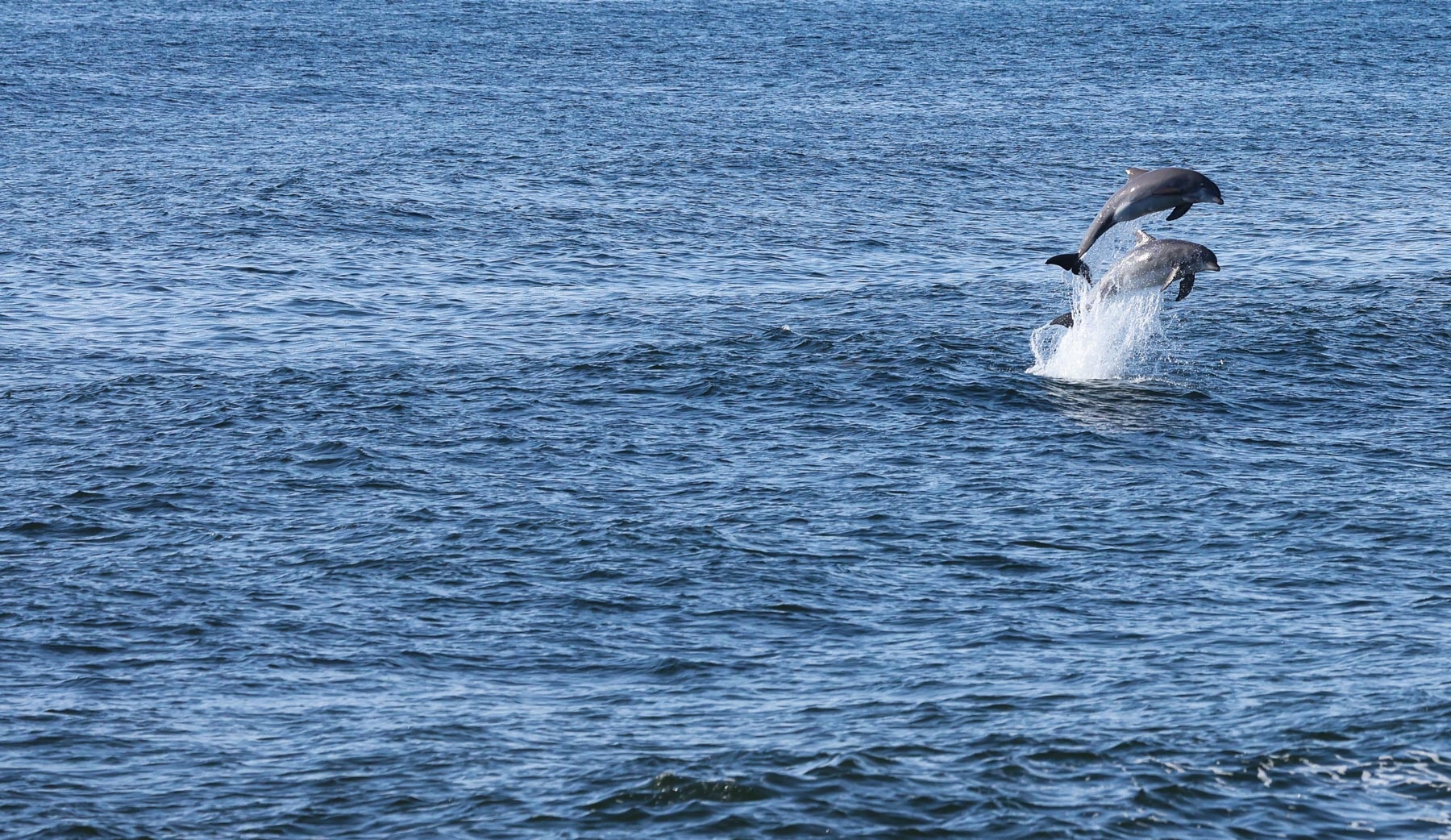
Why Mantoloking Is a Great Place to See Dolphins
Mantoloking sits where the shallow, warm waters of Barnegat Bay meet the cooler Atlantic—an interface that concentrates baitfish and creates a small, productive food web attractive to coastal dolphins. Bottlenose dolphins are the most commonly seen species here; they travel in loose social groups, riding the surf line, threading through inlet eddies, and probing the shallows along tidal creeks. At dawn and in the early evening, when the water calms and light slants across the bay, pods often move close to shore, offering long, elegant glimpses from beachheads and fishing piers.
Watching dolphins in Mantoloking is a study in coastal scale: this isn't the deep-water drama of offshore trips but a subtler, approachable experience that rewards patience and a little local knowledge. A morning paddle through the bay channels can put you at eye level with foraging animals. From a charter skiff you can follow the patterns of the tide through inlets where dolphins follow bait pushed by current. Shore-based viewing, from the jetty or the quieter stretches of the barrier island, is surprisingly productive when birds are working the same schools of fish—terns and gannets often signal where dolphins are feeding below.
The cultural context matters: Mantoloking is a small barrier-island community with a legacy of fishing, boating, and salt-marsh conservation. Local outfitters run small-group trips, and many captains are natural storytellers—able to translate dolphin behavior into a narrative that connects to tides, weather, and the health of the bay. Experienced visitors come prepared to combine a dolphin outing with paddleboarding at low tide, a birding walk through the salt marsh, or an evening surf-fishing session. Conservation-minded travelers will notice signage about habitat protection and seasonal closures; respecting those constraints keeps dolphins wild and resilient. This guide combines the poetry of marine wildlife viewing with practical advice—how to time outings with tides and bait runs, what gear reduces sea sickness and increases viewing comfort, and which local practices ensure encounters are safe for both people and dolphins.
Dolphins in this region are typically coastal bottlenose dolphins. They exploit shallow waters and inlets, so timing trips around tidal movement increases the odds of sightings.
Small-boat operators, kayak and SUP trips, and shore-based viewing each offer different vantage points and levels of intimacy—choose based on mobility, comfort on the water, and desire for close approach (remembering rules and ethics).
Mantoloking's marine environment is dynamic: calm summer mornings often yield the best photo opportunities, while windy afternoons create slicker, less predictable seas—plan accordingly.