Kiteboarding in Marathon, Florida: Flatwater, Bridge Passes, and Keys Windlines
Marathon Kiteboard Guide

Kiteboarding in Marathon, Florida: Flatwater, Bridge Passes, and Keys Windlines

Marathon is a quietly brilliant place to kiteboard: sheltered flats, predictable winter trade winds, and easy access to shallow reef passes make it an ideal playground for learners and progression riders alike. This guide focuses on where to launch, when the wind sings, and the local logistics that make a day on the water feel effortless.

Florida KeysSeven Mile BridgeSombrero BeachBoot Key Harbor

Live destination inventory

Top Kiteboard Trips in Marathon

4 trips · Book with confidence · Instant confirmation

The prototype intentionally does not invent replacement trip cards or add images that are not already part of the live source page.

The city from the water

Why Marathon Is a Standout Kiteboarding Destination

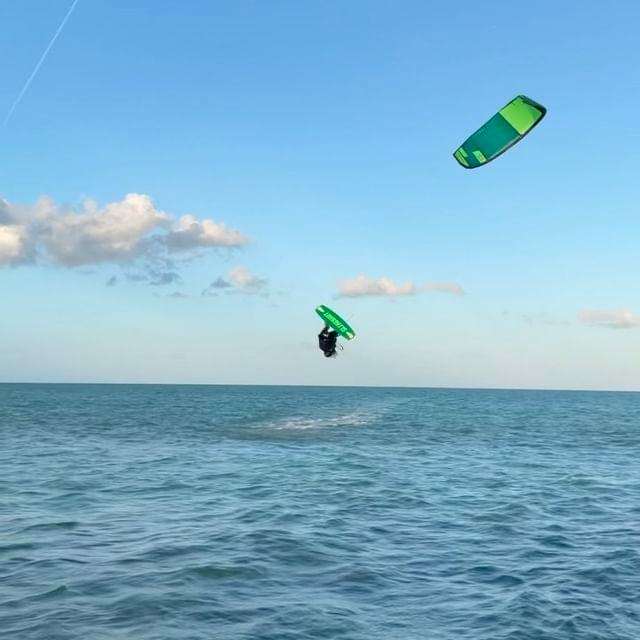
Marathon sits at the heart of the Florida Keys, where a mosaic of shallow flats, sandbars, and tidal passes creates an unusually forgiving environment for kiteboarders. The town’s geography—long, low islands stitched together by causeways and the famous Seven Mile Bridge—offers a variety of micro-venues within a short drive. In calm mornings the waters between the Keys lay like glass, and wind that builds from late morning into steady afternoon trade breezes produces long, clean reaches perfect for practicing transitions, jumps, and kite loops without the intimidation of steep ocean swell. What sets Marathon apart is accessibility. Launch zones are close to town: Sombrero Beach for quick shore starts, Boot Key Harbor for sheltered rigging and lessons, and a handful of sandbars and bridge passes that open up on the outgoing tide. This concentration of launch options means you can swap spots mid-day if the wind shifts or you want different conditions. The local kite scene is small but experienced—shops and schools offer lessons and guided sessions, and regulars keep a practical eye on wind forecasts and tide windows. For travelers seeking a progression trip—two hours of lessons followed by freeriding in flatwater—Marathon is forgiving but offers enough variety to challenge intermediate riders too. Environmental context matters here: the Keys are a fragile coral and mangrove ecosystem. Responsible riding—staying out of protected seagrass beds, honoring no-entry zones, and launching from established access points—keeps conditions healthy for both wildlife and the sport’s longevity. Cultural context matters as well; Marathon combines a working fishing-town vibe with tourism infrastructure. Local fish houses, sunset bars beneath palm canopies, and an afternoon market culture create a relaxed rhythm that pairs well with a day on the water. Finally, seasonality shapes experience. The most reliable winds arrive in winter through late spring, bringing consistent north-easterlies that light up flatwater rides. Summer months can still produce good breeze via afternoon sea breezes, though with more thermal variability and stronger storms. Whether you’re a learner chasing calm, protected water, or a rider hunting clean passes and long reaches, Marathon’s combination of geography, community, and climate makes it an efficient and rewarding place to kiteboard.

The layout of islands, bridges, and shallow banks creates micro-conditions ideal for progression—protected flats for lessons, bridge passes for playful chop and current, and reef edges for more dynamic conditions.

A compact local scene means fewer crowds compared with larger Keys hubs. Local schools and outfitters handle gear, lessons, and shuttle logistics, making it straightforward to plan a day of coaching and freeride.

The harbor is the gateway, and the Pacific becomes the classroom.

Conservation-minded riding is essential: seagrass, coral, and mangroves are the backbone of the Keys' ecosystems. Stick to marked launch sites and follow local guidance to reduce your footprint.
Activity focus

Choose by purpose

Whale watching, snorkeling, sunset sailing, cultural canoeing, harbor sightseeing, or private chartering.

Departure hubs

Start near the city

Waikiki and Honolulu Harbor are primary hubs, with some trips launching near Hanauma Bay.

Accessibility

Confirm the vessel

Gangways, shaded seating, and boarding requirements vary according to vessel size and operator.

Seasonal planning

Best Time to Visit

Marathon is warm year-round, but wind, swell, migration, visibility, and demand change the best match between traveler and trip.

Marathon boat tour
Year-round destination

Seasonal highlights change the reason to go

Winter favors humpback encounters; warmer, calmer months favor snorkeling visibility and smoother water.

Humpback season

December–April (winter visitors and most reliable winds).

Prime whale watching, winter holidays, higher demand, and earlier sell-outs.

Snorkeling window

December–January–February–March–April–May

Typically gentler seas and clearer water for snorkeling trips.

Weather notes

Trade winds year-round

Winter through spring provides the most reliable moderate NE trade winds and cool, low-humidity mornings. Summers bring thermal seabreezes that can build in the afternoon but also increase the likelihood of thunderstorms. Hurricane season (June–November) can produce sporadic strong wind events and occasional closures.

Quieter opportunities

Late spring & summer weekdays

Summer offers quieter launch sites and warm water; ideal for riders comfortable with variable afternoon winds and heat. Early fall can yield less predictable conditions but lower prices and fewer tourists.

Match the trip to your comfort

Choose Your Experience Level

Low effort

Beginner

Protected shallow flats with gentle, steady winds and soft sand launches. Focus on land-based kite control, short water starts, and supervised progressions.

  • Intro lesson at Boot Key Harbor
  • Flatwater practice at Sombrero Beach
  • Controlled edge-riding near sandbars
Active day trip

Intermediate

Long reaches across flats, practicing transitions and small jumps. Navigation of light chop and bridge-induced wind lines; introduction to pass etiquette and current management.

  • Guided session to nearby sandbars
  • Riding reaches beneath Seven Mile Bridge
  • Intermediate clinics with local instructors
Longer or technical

Advanced

Riding bridge passes, stronger offshore lines near reef edges, and wave riding when Atlantic swell and wind align. Requires precise board control, current awareness, and strong self-rescue skills.

  • Pass riding and current management at local bridge approaches
  • High-wind freeride sessions near reef edges
  • Cross-island runs with tidal planning

Prepare for sun, spray, and swell

What to Bring

Essential

Core kit

  • Kiteboard or lesson reservation (local rental recommended for travelers)
  • Full first-aid kit and reef-safe sunscreen
  • Hydration and light, salty snacks
  • Waterproof ID and contact information
  • Leash and quick-release knowledge; impact vest for progression riders
Recommended

Useful extras

  • Helmet for learners and jump attempts
  • Wetsuit/top (thin spring/fall vest or shorty; summers may only need a rashguard)
  • Windproof jacket for mornings and off-season winds
  • Dry bag for phone, keys, and small gear
  • Local tide and wind app (and a charger)
Optional

Trip-specific

  • GoPro or action camera with float mount
  • Spare lines and repair kit if you travel with your own gear
  • Lightweight booties for rocky entry points
  • Binoculars for scouting passes and birdlife
Respect wildlife and seagrass; check tide windows and local forecasts; support local shops for gear and intel.

Insider Tips & Local Knowledge

Reserve whale-watching and popular sunset cruises well ahead during December–April.
Choose morning snorkeling departures for calmer seas and better underwater visibility.
For motion sensitivity, choose a larger vessel, sit mid-ship, and take preventative medication before boarding.
Do not touch coral or wildlife, avoid standing on reefs, and use reef-safe sunscreen.
Community-based operators may add context about traditional navigation and stewardship.
Arrive early for parking and check-in because Waikiki departure areas can be busy.

Planning questions

Frequently Asked Questions

Most public launch sites do not require a permit, but certain beaches and municipal areas may have rules or seasonal restrictions. Check with local outfitters or city resources for site-specific regulations.
Kiteboarding in Marathon, Florida: Flatwater, Bridge Passes, and Keys Windlines
Ready for your kiteboard adventure?

Browse 4 verified trips in Marathon.

Compare current availability and book with instant confirmation.

Explore Marathon kiteboard