Marathon Marinas: A Boater’s Guide to the Florida Keys’ Hub
Marathon Marina Guide

Marathon Marinas: A Boater’s Guide to the Florida Keys’ Hub

Marathon sits at the geographic and cultural center of the Florida Keys, where a cluster of approachable marinas, full-service boatyards, and sheltered harbors create a natural basecamp for every kind of saltwater traveler. From morning flats fishing and reef snorkeling to twilight mooring and provisioning for offshore runs, Marathon’s marina scene is practical, community-minded, and fundamentally about getting you onto the water. This guide profiles the marina experience—what the docks feel like, the services to expect, seasonal rhythms, and smart planning tips for visiting boaters, anglers, and day-trippers.

Florida KeysSeven Mile BridgeVaca CutBoot Key Harbor

Live destination inventory

Top Marina Trips in Marathon

10 trips · Book with confidence · Instant confirmation

The prototype intentionally does not invent replacement trip cards or add images that are not already part of the live source page.

The city from the water

Why Marathon’s Marinas Matter

Marathon’s marinas are the working heart of a Keys community that orbits the sea. Unlike the polished mega-yacht ports of larger cities, Marathon’s docks feel intimate and practical: wooden pilings with weathered cleats, fuel docks that hum at dawn as anglers head out for key-lime–bright mornings, and harbor masters who know your name by the second day. The town’s location at the midpoint of the island chain makes it an ideal launch point for a wide variety of trips—quick reef jumps, backcountry flats excursions, multi-day trips west toward Key West or east toward Islamorada, and offshore runs for deep-water sportfishing. That geographic centrality gives Marathon a marina ecosystem that caters to short-hop day boats and serious cruising yachts alike. There’s a rhythm to the marinas here tied to tides, wind, and tourism seasons. Winter’s steady northeast trade winds and clear water bring surges of visiting boaters and charters who want calm cruising and world-class sportfishing; summer softens to warmer water and afternoon thunderstorms, and the boat traffic thins while long-stay liveaboards and local fishermen set the pace. Boot Key Harbor—one of the largest municipal anchorage systems in the state—adds a lived-in dimension to Marathon’s waterfront: sail covers, dinghies, and hand-painted hulls tell a story of extended stays and a boating community that doubles as town neighbors. Services mirror that social fabric—marine mechanics, canvas shops, provisioning stores, and reef-friendly policy signage are often steps from the fuel dock. Ecology and etiquette are constant companions to marina life here. The surrounding seagrass beds and coral reefs are fragile; marinas in Marathon emphasize responsible fueling, no-discharge pump-out stations, and reef-safe sunscreen. Navigational awareness is a must—shallow flats, marked channels, and seasonal manatee zones require steady attention and slow, respectful speeds in marked areas. For travelers planning a marina-based visit, the practical advantages are immediate: slip and mooring availability give you access to overnight stays and the convenience of provisioning, while the marina’s knowledge base—charter skippers, tackle shops, and local captains—translates directly into better days on the water. Whether you’re booking a half-day charter, docking for a night between reef dives, or prepping a sportfishing run, Marathon’s marinas offer the services and local know-how to make the sea accessible without losing the Keys’ unforced, weathered charm.

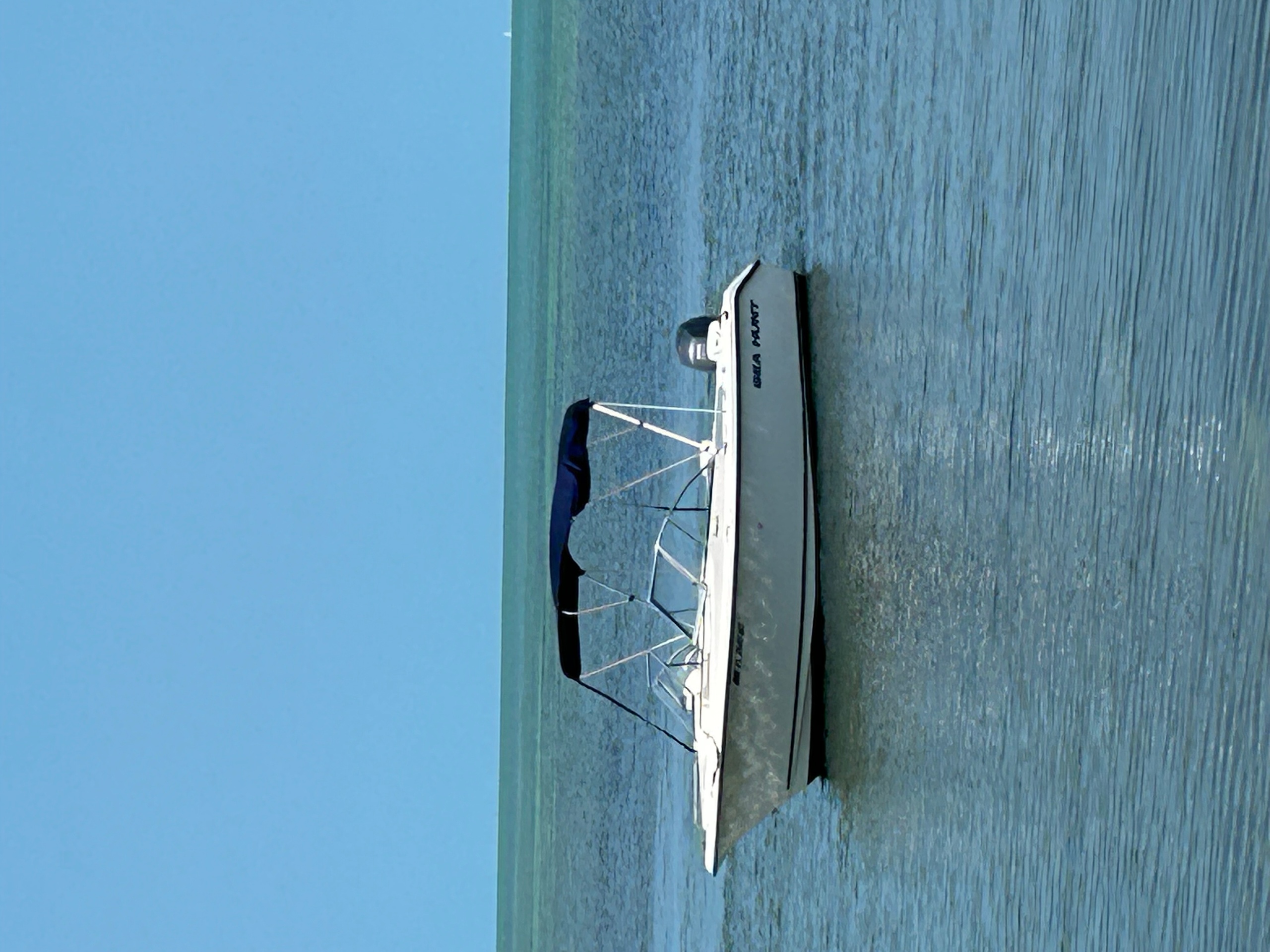
Marathon is a midpoint staging area—short hops to offshore reefs, easy access to the backcountry flats, and nearby marinas that specialize in charters, repairs, and provisioning.

Local marinas balance commercial services (fuel, haul-outs, boatyards) with community moorings and visitor slips; expect a mix of full-service and DIY-oriented facilities.

The harbor is the gateway, and the Pacific becomes the classroom.

Environmental stewardship shapes operations: pump-out availability, no-discharge rules, and reef-friendly recommendations are standard at most facilities.
Activity focus

Choose by purpose

Whale watching, snorkeling, sunset sailing, cultural canoeing, harbor sightseeing, or private chartering.

Departure hubs

Start near the city

Waikiki and Honolulu Harbor are primary hubs, with some trips launching near Hanauma Bay.

Accessibility

Confirm the vessel

Gangways, shaded seating, and boarding requirements vary according to vessel size and operator.

Seasonal planning

Best Time to Visit

Marathon is warm year-round, but wind, swell, migration, visibility, and demand change the best match between traveler and trip.

Marathon boat tour
Year-round destination

Seasonal highlights change the reason to go

Winter favors humpback encounters; warmer, calmer months favor snorkeling visibility and smoother water.

Humpback season

December through April—higher demand for slips, charters, and marina services.

Prime whale watching, winter holidays, higher demand, and earlier sell-outs.

Snorkeling window

December–January–February–March–April

Typically gentler seas and clearer water for snorkeling trips.

Weather notes

Trade winds year-round

Winter offers cooler, drier conditions and optimal visibility for snorkeling and fishing; summers are hot, humid, and subject to afternoon thunderstorms and the Atlantic hurricane season (June–November). Calm, low-wind days in winter and spring are ideal for marina traffic and offshore trips.

Quieter opportunities

Late spring & summer weekdays

May through November can offer lower rates, more slip availability, and quieter harbors, but plan around the hurricane season and reduced staffing at some services.

Match the trip to your comfort

Choose Your Experience Level

Low effort

Beginner

First-time boaters or day-trippers who want sheltered experiences—short charter trips, guided snorkeling, or calm kayak tours launched from marina ramps.

  • Half-day reef snorkeling charter
  • Guided backcountry kayak trip
  • Short harbor cruise and sunset mooring
Active day trip

Intermediate

Boat owners and anglers comfortable with navigation and basic seamanship—overnight slips, independent reef runs, and inshore flats fishing.

  • Overnight slip rental with provisioning stop
  • Backcountry flats fishing for bonefish and permit
  • Bareboat charters for multi-island day trips
Longer or technical

Advanced

Seasoned captains and offshore anglers tackling bluewater runs, liveaboard planning, or multi-day passages that require deeper planning, offshore gear, and advanced navigation.

  • Offshore sportfishing for mahi, tuna, and billfish
  • Longer bluewater passages to Key West or beyond
  • Liveaboard provisioning and extended cruising logistics

Prepare for sun, spray, and swell

What to Bring

Essential

Core kit

  • USCG-approved life jacket for every passenger
  • Government ID and boat documentation (if operating a vessel)
  • Reef-safe sunscreen and sun protection (hat, polarized sunglasses)
  • Cash and card for slip fees, fuel, and provisioning
  • Dock lines and fenders for transient berthing
Recommended

Useful extras

  • Portable VHF radio or handheld with channel 16 access
  • Basic tool kit and spare parts (impeller, belts, fuses)
  • Pump-out adapter or knowledge of marina pump-out locations
  • Tide and current app or chart plotter for local waters
  • Light rain shell for sudden squalls
Optional

Trip-specific

  • Snorkel gear for quick reef stops
  • Anchor with sufficient scope for short day anchoring
  • Small cooler stocked with water and snacks
  • Waterproof dry bag for phones and wallets
Check tide charts, weather forecasts, marina fuel hours, and local regulations before leaving the dock.

Insider Tips & Local Knowledge

Reserve whale-watching and popular sunset cruises well ahead during December–April.
Choose morning snorkeling departures for calmer seas and better underwater visibility.
For motion sensitivity, choose a larger vessel, sit mid-ship, and take preventative medication before boarding.
Do not touch coral or wildlife, avoid standing on reefs, and use reef-safe sunscreen.
Community-based operators may add context about traditional navigation and stewardship.
Arrive early for parking and check-in because Waikiki departure areas can be busy.

Planning questions

Frequently Asked Questions

Reservations are highly recommended during peak season (Dec–Apr). Many marinas accept walk-up guests in the shoulder months, but availability can change rapidly on weekends and during fishing tournaments.
Marathon Marinas: A Boater’s Guide to the Florida Keys’ Hub
Ready for your marina adventure?

Browse 10 verified trips in Marathon.

Compare current availability and book with instant confirmation.

Explore Marathon marina