Dolphin Adventures in Marco Island, Florida
Marco Island Dolphin Guide

Dolphin Adventures in Marco Island, Florida

On Marco Island, dolphins are more than a highlight—they are the rhythm of the coast. Shallow seagrass flats, mangrove-fringed estuaries, and the protected labyrinth of the Ten Thousand Islands create a stage where Atlantic bottlenose dolphins travel, forage, and raise calves in plain view of kayaks, skiffs, and small-charter boats. This guide focuses on dolphin-centered outings: what the encounters feel like, how operators structure responsible viewing, and practical choices that shape a successful day on the water—whether you want a gentle family cruise, a paddle-through wildlife tour, or a photographer’s charter chasing light at dawn.

Ten Thousand IslandsMarco RiverKeewaydin IslandTigertail BeachGulf of Mexico

Live destination inventory

Top Dolphin Trips in Marco Island

47 trips · Book with confidence · Instant confirmation

The prototype intentionally does not invent replacement trip cards or add images that are not already part of the live source page.

The city from the water

Why Marco Island Is a Standout Dolphin Destination

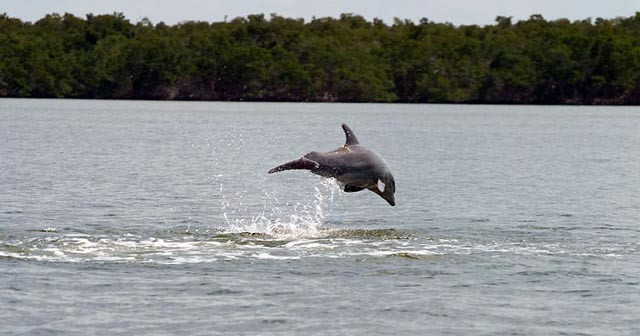
The first time you see a slick, gray fin break the calm in front of an island mangrove, a small, ancient recognition rises inside you: the same curiosity animates shorelines from Florida to the Azores. On Marco Island that recognition happens often. The coastline here—short beaches giving way to broad tidal flats, seagrass beds, and an angled maze of islands—creates a marine neighborhood that suits bottlenose dolphins. They follow the tidal pulse, hunting in the shallow edges where fish concentrate and moving through channels that cut between mangrove islands. For visitors, that means sightings that feel intimate rather than distant: pods riding bow wakes, mothers with newborn calves moving close to sheltered shallows, juveniles leaping and playing in the wake of a skiff. Beyond quantity, Marco Island offers variety. Commercial dolphin cruises thread broader paths over the Gulf, where dolphins sometimes ride ocean swells; guided eco-paddle tours slip into backwater channels of the Ten Thousand Islands for quieter, lower-impact viewing; and private charters can shape the day for photographers seeking golden-hour action. The layered landscapes also invite complementary experiences—shelling on nearby islands, birding for roseate spoonbills and herons, and fishing trips that double as dolphin-watching outings when pods follow baitfish. Each format has trade-offs. Large certified operators provide safety, narrated context, and conservation-forward protocols; smaller kayaks can bring you close to mangroves and silent dolphin behaviors but require more weather and skill considerations. Conservation-minded visiting is part of the Marco Island story. Dolphins here live in an ecosystem under pressure from development, boat traffic, and water-quality shifts. Many local operators follow voluntary viewing guidelines and work with researchers collecting sighting data; some tours include naturalists who explain seasonal movement patterns, calf rearing, and signs of stress to avoid. Choosing operators that emphasize distance, slow approaches, and no-chase policies not only improves animal welfare but often enhances the quality of the encounter—docile, investigative dolphins tend to stay nearby when they don't feel pressured. Finally, practicality shapes enjoyment. Early morning and late afternoon offer the best light and smoother seas; windier afternoons can make small-boat trips choppy and reduce visibility in the estuaries. Pack for sun, wet conditions, and sudden changes in temperature after a breeze kicks up off the Gulf. With mindful planning, a dolphin trip from Marco Island delivers both spectacle and perspective: an active, visible marine community and a clearer sense of why protecting shallow coastal habitats matters.

Dolphin behavior is dynamic: look for feeding corrals, bow-riding, and maternal groups in sheltered shallows.

Ten Thousand Islands is the ecological heart for wildlife viewing—expect complex tidal influences and diverse neighboring species.

The harbor is the gateway, and the Pacific becomes the classroom.

Local operators often partner with researchers; select tours that discuss conservation and follow NOAA viewing guidelines.

Activity focus

Choose by purpose

Whale watching, snorkeling, sunset sailing, cultural canoeing, harbor sightseeing, or private chartering.

Departure hubs

Start near the city

Waikiki and Honolulu Harbor are primary hubs, with some trips launching near Hanauma Bay.

Accessibility

Confirm the vessel

Gangways, shaded seating, and boarding requirements vary according to vessel size and operator.
Seasonal planning

Best Time to Visit

Marco Island is warm year-round, but wind, swell, migration, visibility, and demand change the best match between traveler and trip.

Marco Island boat tour
Year-round destination

Seasonal highlights change the reason to go

Winter favors humpback encounters; warmer, calmer months favor snorkeling visibility and smoother water.

Humpback season

Winter and spring (holiday periods and season months) are busy—calmer seas and steady wildlife activity attract the most tours.

Prime whale watching, winter holidays, higher demand, and earlier sell-outs.

Snorkeling window

December–January–February–March–April–May–June

Typically gentler seas and clearer water for snorkeling trips.

Weather notes

Trade winds year-round

Marco Island has a subtropical climate: warm, humid summers with frequent afternoon thunderstorms and generally mild, drier winters. Calm mornings are most common in winter and spring; summer sees higher humidity and afternoon sea breezes that can increase chop. Tidal range and wind both influence where dolphins concentrate and how comfortable a boat or kayak trip will be.

Quieter opportunities

Late spring & summer weekdays

Summer weekdays can offer fewer crowds and lower charter rates, but watch for afternoon storms and higher humidity. Early fall can bring warm water conditions and active juveniles.

Match the trip to your comfort

Choose Your Experience Level

Low effort

Beginner

Gentle, narrated dolphin cruises on larger boats—minimal physical demand, good for families and first-timers.

  • 1–2 hour narrated dolphin cruise from Marco Island
  • Short evening dolphin-and-sunset boat trip
Active day trip

Intermediate

Smaller-boat eco-tours and guided kayak trips into backwater channels that require basic paddling skill and comfort on the water.

  • Guided kayak dolphin-and-wildlife eco-tour
  • Half-day nature cruise into the Ten Thousand Islands
Longer or technical

Advanced

Private photography charters, overnight backcountry trips, or research-oriented excursions that require planning, stability on smaller vessels, and sometimes specialized gear.

  • Private photography charter at dawn
  • Multi-hour exploration of remote mangrove channels by shallow-draft skiff

Prepare for sun, spray, and swell

What to Bring

Essential

Core kit

  • Sun protection (reef-safe sunscreen, hat, UV shirt)
  • Sunglasses with strap (polarized recommended)
  • Reusable water bottle and light snacks
  • Light waterproof layer or windbreaker
  • Seasickness medication if you’re prone
Recommended

Useful extras

  • Binoculars for scanning channels and mangrove edges
  • Waterproof camera or phone case and extra batteries
  • Small dry bag for valuables
  • Closed-toe water shoes for kayak or beach landings
Optional

Trip-specific

  • Telephoto lens (200–400mm) for distant shots
  • Notebook for species and behavior notes
  • Collapsible stool or seat cushion for smaller boats
Favor operators who prioritize no-chase viewing; early mornings are calmer and often more productive; pack for sun and sudden weather changes.

Insider Tips & Local Knowledge

Reserve whale-watching and popular sunset cruises well ahead during December–April.
Choose morning snorkeling departures for calmer seas and better underwater visibility.
For motion sensitivity, choose a larger vessel, sit mid-ship, and take preventative medication before boarding.
Do not touch coral or wildlife, avoid standing on reefs, and use reef-safe sunscreen.
Community-based operators may add context about traditional navigation and stewardship.
Arrive early for parking and check-in because Waikiki departure areas can be busy.

Planning questions

Frequently Asked Questions

No personal permit is required for typical tours; licensed operators run commercial trips. If you plan to launch a private kayak or boat, follow local registration and launch regulations.
Dolphin Adventures in Marco Island, Florida
Ready for your dolphin adventure?

Browse 47 verified trips in Marco Island.

Compare current availability and book with instant confirmation.

Explore Marco Island dolphin