Eco Tours in Maurepas, Louisiana
Maurepas Eco Tour Guide

Eco Tours in Maurepas, Louisiana

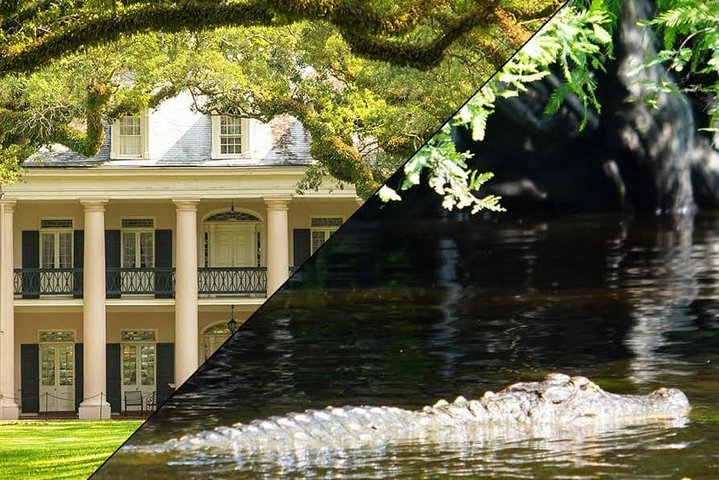
Maurepas sits where freshwater marsh and swamp meet the brackish arms of the Pontchartrain Basin — a slow, green world of cypress knees, reed-lined shorelines, and an ornithologist’s dreambook of migratory stopovers. Eco tours here range from quiet kayak floats under cathedral cypress to small-boat outings that thread between submerged logs, offering close-up views of alligators, wading birds, and the subtle gradients that make Louisiana’s coastal wetlands so ecologically important. This guide focuses on how to experience those living systems responsibly: timing your visit for migration windows and lower mosquito density, choosing outfitters with conservation-minded practices, and packing smart for humidity, sun, and sudden storms.

Lake MaurepasBlind RiverMaurepas SwampPontchartrain Basin

Live destination inventory

Top Eco Tour Trips in Maurepas

14 trips · Book with confidence · Instant confirmation

The prototype intentionally does not invent replacement trip cards or add images that are not already part of the live source page.

The city from the water

Why Maurepas Is a Standout Eco-Tour Destination

The first thing you learn in Maurepas is how quietly a swamp can speak. Boats cut slow wakes through tannin-dark water; marsh grasses whisper with wind and tide; and birds—red-winged blackbirds, glossy ibis, roseate spoonbills—call like punctuation marks against a vast, low skyline. Eco tours here are less about bagging views than about tuning your senses to a connected landscape: the soggy roots that stabilize a shoreline, the nurseries of submerged aquatic vegetation where fish breed, and the riparian corridors that guide migrating songbirds from the Gulf to inland forests. Historically, these wetlands have threaded human lives to the water’s edge. Indigenous peoples, Cajun fishers, and modern conservationists have all read the same signs—ebb and flow, salt and freshwater, abundance and vulnerability. Today’s eco tours often fold local knowledge into every trip: guides point out the old logging marks on cypress boles, explain seasonal fish runs, or describe community-led restoration projects that plant marsh grass and re-establish oyster reefs. The result is an experience that blends natural history, cultural memory, and active stewardship. Visits to Maurepas are also a close look at environmental change. Coastal Louisiana is ground zero for sea-level rise, subsidence, and saltwater intrusion; small eco-tour operators are among the most candid narrators of that story. A half-day boat tour can cover both the postcard moments—a near miss with a sunning alligator, a line of egrets on a dead tree—and the practical realities: shoreline retreat, sediment-starved marsh, and the work being done to rebuild habitat. For travelers who want more than scenery, Maurepas’s eco tours offer context: how the wetlands function, why they matter to regional fisheries and storm protection, and how tourism, when guided responsibly, can support local resilience.

Tours range from calm kayak floats for beginners to narrated small-boat trips that meet tidal rhythm and wildlife windows.

Local operators weave cultural history—Cajun fishing traditions, the legacy of logging and levee building—into field lessons on habitat change.

The harbor is the gateway, and the Pacific becomes the classroom.

Conservation-minded tours partner with nonprofits and research groups; some include citizen-science elements like water-quality sampling or bird counts.
Activity focus

Choose by purpose

Whale watching, snorkeling, sunset sailing, cultural canoeing, harbor sightseeing, or private chartering.

Departure hubs

Start near the city

Waikiki and Honolulu Harbor are primary hubs, with some trips launching near Hanauma Bay.

Accessibility

Confirm the vessel

Gangways, shaded seating, and boarding requirements vary according to vessel size and operator.

Seasonal planning

Best Time to Visit

Maurepas is warm year-round, but wind, swell, migration, visibility, and demand change the best match between traveler and trip.

Maurepas boat tour
Year-round destination

Seasonal highlights change the reason to go

Winter favors humpback encounters; warmer, calmer months favor snorkeling visibility and smoother water.

Humpback season

Fall migration (October–November) and spring birding (March–April) attract the most visitors.

Prime whale watching, winter holidays, higher demand, and earlier sell-outs.

Snorkeling window

October–November–December–January–February–March–April–May

Typically gentler seas and clearer water for snorkeling trips.

Weather notes

Trade winds year-round

Winters are mild and bring fewer mosquitoes; spring and fall offer peak bird migration and comfortable temperatures. Summers are hot, humid, and prone to afternoon storms and heavy insect activity. Hurricane season (June–November) can disrupt operations—book flexible tours and check forecasts.

Quieter opportunities

Late spring & summer weekdays

Winter weekdays offer quiet waterways and good waterfowl viewing. Summer mornings can reveal active herps and fish but expect higher heat and bugs; some operators run dawn trips to avoid midday weather.

Match the trip to your comfort

Choose Your Experience Level

Low effort

Beginner

Calm, guided boat tours and sheltered kayak floats with minimal paddling; short shoreline walks on boardwalks or levees.

  • Guided pontoon wildlife cruise on Lake Maurepas
  • Introductory kayak loop in protected backwaters
  • Boardwalk marsh interpretive walk
Active day trip

Intermediate

Longer paddles through braided channels, mixed mudflat and marsh navigation, and interpretive tours with citizen-science options.

  • Half-day kayak crossing of a reed-lined bayou
  • Small-boat eco-cruise with birding focus and short shore landings
  • Guided oyster-reef restoration volunteer day
Longer or technical

Advanced

Extended day trips that require strong paddling, open-water crossings, or multi-site itineraries combining marsh, swamp, and estuary habitats.

  • Full-day expedition linking Maurepas backwaters to Pontchartrain shoals
  • Advanced sea-kayak coastal route (requires tide/wind knowledge)
  • Multi-day fieldwork assistance with research groups

Prepare for sun, spray, and swell

What to Bring

Essential

Core kit

  • Insect repellent with DEET or picaridin
  • Sun protection: hat, sunglasses, SPF 30+ sunscreen
  • Sturdy, quick-dry footwear or water shoes
  • Reusable water bottle and snacks
  • Light rain shell or packable poncho
Recommended

Useful extras

  • Binoculars for birding
  • Waterproof phone case or dry bag
  • Long-sleeve sun shirt to reduce bug exposure
  • Small personal first-aid kit
Optional

Trip-specific

  • Field guide for Gulf Coast birds
  • Camera with zoom lens
  • Waders for guided marsh walks (if offered by operator)
Coordinate with outfitters about tides, insect conditions, and access; many small operators run fewer trips during hurricane season and maintain flexible cancellation policies.

Insider Tips & Local Knowledge

Reserve whale-watching and popular sunset cruises well ahead during December–April.
Choose morning snorkeling departures for calmer seas and better underwater visibility.
For motion sensitivity, choose a larger vessel, sit mid-ship, and take preventative medication before boarding.
Do not touch coral or wildlife, avoid standing on reefs, and use reef-safe sunscreen.
Community-based operators may add context about traditional navigation and stewardship.
Arrive early for parking and check-in because Waikiki departure areas can be busy.

Planning questions

Frequently Asked Questions

Most public eco tours are run by licensed outfitters and do not require a separate permit for visitors. Certain protected areas or research-access sites may have restrictions; the outfitter will notify you in advance if special access is required.
Eco Tours in Maurepas, Louisiana
Ready for your eco tour adventure?

Browse 14 verified trips in Maurepas.

Compare current availability and book with instant confirmation.

Explore Maurepas eco tour