Why Mill Valley Is a Standout for Airplane Experiences
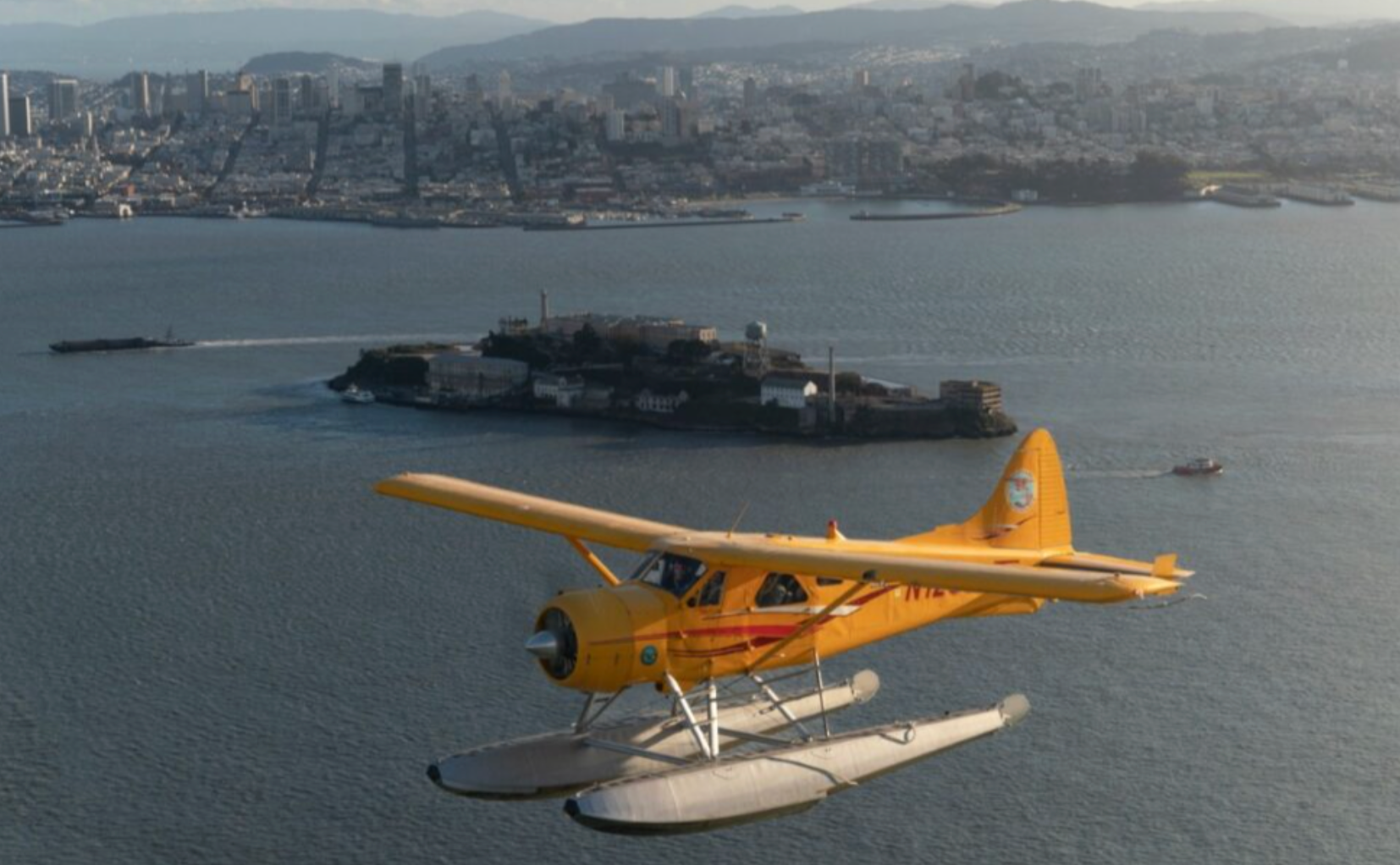
Mill Valley sits at a rare intersection: steep coastal forest, sweeping bay water, and immediate access to the airspace that frames San Francisco's most famous landmarks. For travelers who prefer their landscapes from above, the town's proximity to small airports, seaplane bases, and scenic corridors creates a compact, high-value patchwork of airplane experiences. A short hop from downtown delivers a visual curriculum—redwood-lined ridgelines give way to wide coastal flats and then to the crisp geometry of piers, bridges, and islands. That visual shift happens in minutes by aircraft, and it changes how you understand the region: the same geography that feels intimate on the ground becomes grand and architectural from an aerial perspective.
The Bay Area's aviation history also threads through the experience. Early coastal flights and seaplane operations shaped the waterfront communities of Marin County, and while modern regulations and environmental protections have tightened access, a healthy culture of flightseeing persists—focused on low-impact, high-enchantment outings. From the air you see environmental contrasts not obvious at street level: eelgrass beds and tidal marsh restoration projects, seabird colonies on offshore rocks, and the wind-scrubbed patterns of headlands that channel coastal fog. Pilots and operators in the region prioritize timing and routing to maximize view windows—morning light to the east of the Golden Gate, late-afternoon warmth that sculpts cliffs and beaches, and clear-sky corridors in late summer and autumn when the marine layer retreats.
Practically, Mill Valley's compact footprint makes it an efficient base for a half-day of mixed activities. You can pair a short scenic flight with a hike on Mount Tamalpais, a paddle out of Sausalito, or a shoreline picnic at Muir Beach—each complements the aerial view by reconnecting you to the textures you saw from above. Environmental sensitivity matters: seaplane landings, low-altitude flights, and overflights of wildlife areas are regulated to reduce disturbance. Good operators work around nesting seasons and protected zones, and savvy travelers balance the thrill of proximity with respect for local conservation priorities. Whether you're chasing sunrise over the Bay, framing the Golden Gate with lenses from a bird's-eye angle, or using a short charter hop to reach a remote trailhead faster, airplane experiences around Mill Valley are about perspective—on landscape, history, and the delicate edges where urban and wild meet.
The varied coastline—headlands, beaches, and islands—translates into short flights that feel substantive: 20–45 minutes can cover multiple iconic vistas.
Marine layer and fog dominate summer mornings; late summer and early fall typically provide the clearest viewing windows.
Seaplane and small-airport operations require coordination with regional regulations and wildlife protections—expect adjusted routes during sensitive seasons.
Airplane trips pair exceptionally well with land activities: ridge hikes, ferry rides, and coastal paddles extend the sense of place introduced from the air.