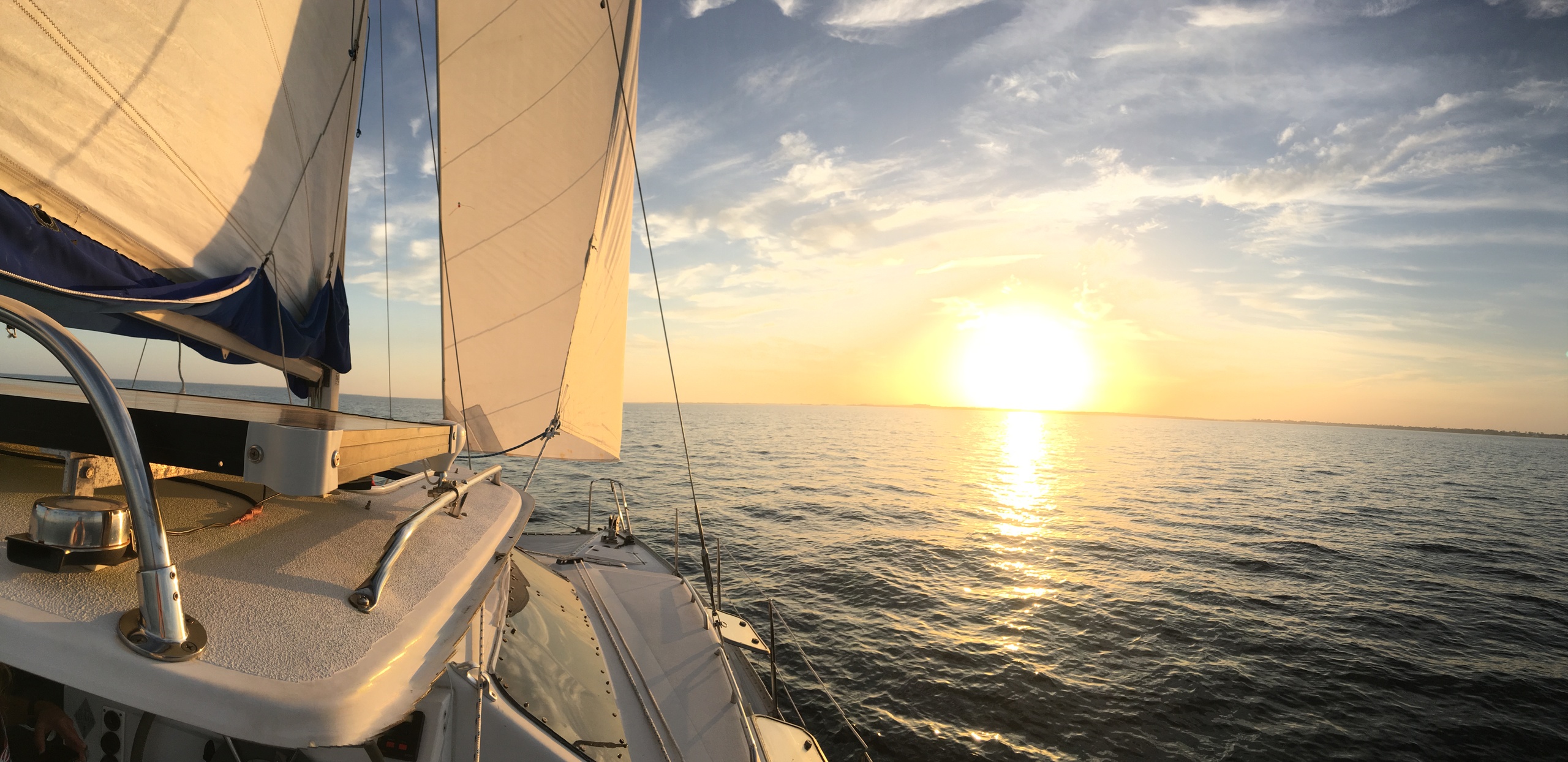
Why Sail Around Milton, Florida
Milton sits at an understated crossroads of inland waterway and nearshore Gulf opportunity. From a sailor’s viewpoint the appeal is obvious: protected, tree-lined river corridors that open into broad, tidal bays and a nearby coastline that can be explored in short, satisfying passages. The Blackwater and its companion estuaries offer sheltered conditions for learning sail handling, practicing navigation in narrow channels, and watching shorebirds migrate along salt marsh edges. At the same time, the nearby Gulf passages give a taste of blue-water sailing without committing to long offshore legs—ideal for sailors who want varied conditions in a single trip.
The landscape pushes the experience toward contrasts. On a calm morning the river presents a glassy mirror threaded with cypress and palmetto reflections; by afternoon, steady sea breezes can build into a lively reach across open bay water. This variability makes Milton an excellent practice ground: gentle days for novices and tactical, current-aware sailing for more experienced crews. Wildlife is part of the classroom—dolphins in the bay, ospreys over the marshes, and the occasional manatee in slow, protected waters—so itineraries often balance performance with plenty of stops for observation and quiet anchoring.
Historically, towns along these waterways evolved as trade and transport hubs; today those same channels serve recreation and access. Launch points and small marinas around Milton cater to a mix of small sailboats, trailer sailors, and local charters. For travelers the town’s scale is an advantage: you can rig, provision, and push off within minutes, then be anchored in a quiet cove before lunch. That accessibility also supports short multi-day circuits—easy overnights at protected anchorages give the feel of coastal cruising without the logistics of a long passage.
Practical considerations shape trip planning here. Tides and tidal currents influence route choice more than dramatic open-ocean swell, and wind patterns have a daily beat—sea breezes are most reliable in spring and summer while frontal systems in fall and winter can produce brisk northerlies. Summer brings heat, humid air, and a higher risk of afternoon thunderstorms; late summer and early fall are also hurricane season, which requires advance attention to forecasts and contingency plans. For most sailors, the sweet windows are spring and late fall when temperatures are comfortable, winds are consistent, and the water traffic is lighter than peak summer weekends.
Finally, Milton’s sailing is as much about complementing experiences as it is about the time on deck. Kayaking sheltered creeks, hiking short riverside trails, and sampling Gulf seafood at waterfront restaurants all slot neatly into a sailing itinerary. Whether you’re learning points of sail on protected water, plotting a bay-hopping weekend, or fine-tuning coastal navigation, Milton offers straightforward, fulfilling sailing that feels both intimate and open-ended.
Varied waters: narrow, winding river channels for sheltered practice and broader bays for open-water sailing.
Accessible launch options and small marinas support trailer sailors and day-charter operations.
The harbor is the gateway, and the Pacific becomes the classroom.
Wildlife and salt-marsh scenery make for mellow anchorages and excellent birding from deck.
Seasonal wind patterns (reliable sea breezes in warm months; cooler northerlies with winter fronts) shape daily plans.
Ideal training ground for coastal cruising—short passages let you practice tides, currents, and navigation without overnight passages that are too long.
Choose by purpose
Whale watching, snorkeling, sunset sailing, cultural canoeing, harbor sightseeing, or private chartering.
Start near the city
Waikiki and Honolulu Harbor are primary hubs, with some trips launching near Hanauma Bay.
Confirm the vessel
Gangways, shaded seating, and boarding requirements vary according to vessel size and operator.