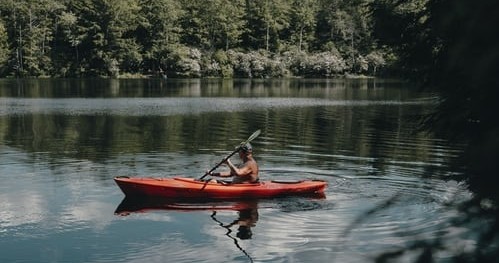
Montville sits at an understated junction of inland water and coastal influence — a place where tidal currents and placid reservoirs meet in a short drive. For paddlers, that means an unusual menu: protected pond paddles threaded with lily pads and dragonflies; reservoir laps edged by hardwood ridgelines; and quick access to tidal channels that hint at the broader estuary system leading toward Long Island Sound. The town’s scale is an advantage. Launches are rarely a long haul from parking, and shorelines change character over a few kilometers, so a single half-day trip can touch on multiple ecosystems.
This compactness also creates an inviting learning ground. Beginners flourish on calm mornings when wind dies and glassy water reveals every canoe stroke; guide services and rental shops within short drives provide coaching and gear. Intermediates can practice side-by-side paddling techniques and tidal timing on modest estuary runs, while advanced paddlers will find opportunities to tighten boat control navigating swift tidal slack and reading wind-influenced currents as they head toward more exposed waters. Along the way, paddlers encounter a quiet natural history — osprey silhouetted over open water, fall marsh color, and the subtle movement of brackish life where river meets sound.
Practical planning here matters less for epic distances and more for details: timing launches around tidal flow, respecting private shoreline access, and choosing the right craft for expected wind and chop. Montville isn’t a whitewater or big-sea destination; it’s a place to refine skills, savor short explorations, and combine paddling with complementary outdoor activities — hiking small nearby preserves, cycling rural roads, or sampling local seafood after a summer evening paddle. For travelers who appreciate a deliberate pace and varied water types within a short radius, Montville delivers a rewarding, low-fuss day on the water.
Seasonality is simple to read: late spring through early fall gives the best temperatures and longest daylight. Morning hours are prime for calm water and bird activity; afternoons can bring thermic winds that build chop on exposed stretches. Fall paddles add a visual bonus—color along the reservoir edges and quieter marinas.
Access is distributed rather than centralized. Look for small municipal launches and pay-attention to private property lines. With short distances between different water types you can plan loops that pair a calm pond start with a briefer tidal outing, cutting your transit time and maximizing on-water minutes.
Choose by purpose
Whale watching, snorkeling, sunset sailing, cultural canoeing, harbor sightseeing, or private chartering.
Start near the city
Waikiki and Honolulu Harbor are primary hubs, with some trips launching near Hanauma Bay.
Confirm the vessel
Gangways, shaded seating, and boarding requirements vary according to vessel size and operator.