Top Boat Tours in Moose Pass, Alaska
Moose Pass Boat Tour Guide

Top Boat Tours in Moose Pass, Alaska

Moose Pass sits at the spine of the Kenai Peninsula, a lodge-and-lake community that makes a quietly excellent base for boat tours to glaciers, fjords, and wildlife-rich coastal waters. From calm lake cruises to ocean-going glacier expeditions that depart nearby Seward, the boat tour options clustered around Moose Pass deliver sweeping ice-carved scenery, tight-up encounters with marine mammals, and a front-row seat to the dynamic interface of sea, snow, and mountain.

Kenai PeninsulaKenai Fjords National ParkKenai LakeSeward Harbor

Live destination inventory

Top Boat Tour Trips in Moose Pass

24 trips · Book with confidence · Instant confirmation

The prototype intentionally does not invent replacement trip cards or add images that are not already part of the live source page.

The city from the water

Why Moose Pass Is a Standout Boat Tour Destination

Moose Pass is small in scale but grand in access. Tucked along the Seward Highway between the coastal town of Seward and the interior stretches toward Anchorage, this hamlet is less a departure point than a strategic pause before the Kenai Peninsula spills into the sea. From here, boat tours fan out across two complementary marine worlds: the glassy blue of Kenai Lake and the sinuous saltwater fjords and bays that carve into the peninsula's coast. That adjacency gives travelers a rare menu of waterborne experiences—quiet freshwater cruises beneath mountain ridgelines and bracing ocean passages where tidewater glaciers calve thunderously into the cold sea. On any given morning in summer the air around Moose Pass can carry a double soundtrack: loon calls and the distant hum of diesel from a commercial vessel rounding Resurrection Bay. The wildlife is equally varied. Bald eagles wheel over river mouths, sea otters raft in kelp lines, and humpback whales feed in offshore waters when forage fish are present. For photographers and quiet observers alike, boat tours open access to scenes that are otherwise locked behind difficult terrain: tidewater glaciers where meltwater leaves polished blue ice, narwhal-like spires of bergy bits, and rocky islands that host dense seabird colonies. And because the Kenai Mountains rise directly from the water’s edge, every mile of shoreline feels intimate—rock faces, braided creeks, and avalanche chutes are all visible from the water. There’s also a human layer to the landscape that enriches the trip. Indigenous Dena'ina people have navigated these waters for generations, drawing seasonal life from salmon runs and coastal resources; Russian and later American chapters of maritime history left fishing camps, harbors, and infrastructure that shaped towns like Seward. Modern boat tours translate that living history into interpretive narratives: captains and naturalists point out tide lines that mark past glacier positions, explain how climate change is altering fjords, and highlight local conservation work. Finally, Moose Pass’s appeal is pragmatic. It offers quieter lodging than busier coastal towns, convenient road access to Seward’s boat terminals, and the chance to combine a marine day with other adventures—angling on Kenai Lake, a hike in Kenai National Wildlife Refuge, or a scenic drive over the passes. For travelers who want both the drama of glacier country and the calm of mountain lakes, Moose Pass is a strategic, scenic place to start a boat-based exploration of Alaska’s southern coastline.

Moose Pass functions as a gateway: Seward’s boat terminals are the typical origin for ocean glacier cruises and wildlife excursions, while local outfitters offer lake-based tours and kayak outings on Kenai Lake.

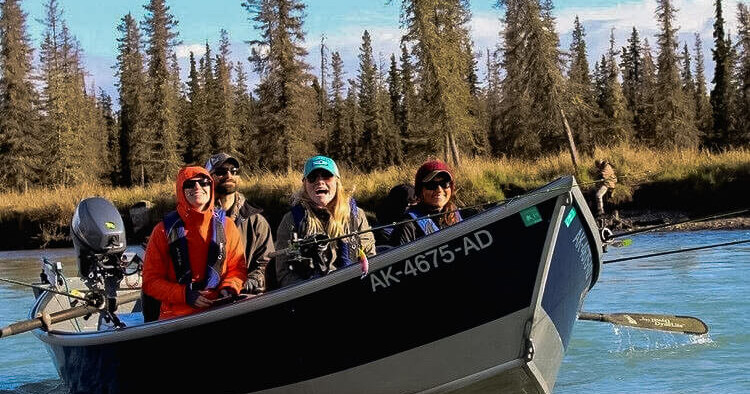
Boat tours range from sheltered half-day lake cruises to full-day ocean trips into Kenai Fjords National Park; zodiac excursions and guided sea-kayaking are common for smaller-group or closer-up experiences.

The harbor is the gateway, and the Pacific becomes the classroom.

The landscape and wildlife are seasonally dynamic—spring and early summer bring migrating whales and birthing seals, midsummer is peak bird and bear activity, and late summer offers the richest salmon runs visible from the water.

Environmental context matters: tidewater glaciers here are visibly affected by warming trends. Tour operators and naturalists commonly include interpretive segments about glacial retreat and coastal ecosystem changes.

Activity focus

Choose by purpose

Whale watching, snorkeling, sunset sailing, cultural canoeing, harbor sightseeing, or private chartering.

Departure hubs

Start near the city

Waikiki and Honolulu Harbor are primary hubs, with some trips launching near Hanauma Bay.

Accessibility

Confirm the vessel

Gangways, shaded seating, and boarding requirements vary according to vessel size and operator.
Seasonal planning

Best Time to Visit

Moose Pass is warm year-round, but wind, swell, migration, visibility, and demand change the best match between traveler and trip.

Moose Pass boat tour
Year-round destination

Seasonal highlights change the reason to go

Winter favors humpback encounters; warmer, calmer months favor snorkeling visibility and smoother water.

Humpback season

June–August are the busiest months for glacier and whale-watching cruises.

Prime whale watching, winter holidays, higher demand, and earlier sell-outs.

Snorkeling window

May–June–July–August–September

Typically gentler seas and clearer water for snorkeling trips.

Weather notes

Trade winds year-round

Late spring through early fall brings the most stable weather for boat operations and the highest likelihood of marine wildlife sightings. Expect cool temperatures, frequent overcast days, and brisk winds on open water. Summer brings long daylight hours and generally calmer seas early in the day; sudden weather shifts are possible.

Quieter opportunities

Late spring & summer weekdays

Shoulder months (May and September) can offer fewer crowds, good wildlife viewing, and lower lodging rates—but some operators run reduced schedules and sea conditions can be rougher.

Match the trip to your comfort

Choose Your Experience Level

Low effort

Beginner

Covered wildlife cruises and short lake tours that require minimal physical effort and provide a comfortable, guided experience.

  • Kenai Lake calm-water sightseeing cruise
  • Protected-harbor wildlife viewing from a larger vessel
  • Short harbor or bay tours focused on scenery and naturalist commentary
Active day trip

Intermediate

Half- to full-day ocean trips into fjords or near tidewater glaciers; may require longer periods on deck and some mobility for boarding zodiacs.

  • Half-day glacier-viewing cruise from Seward
  • Guided zodiac wildlife excursion along fjord shorelines
  • Combined boat-and-kayak day trip
Longer or technical

Advanced

Multi-day expedition cruises, guided sea-kayaking in exposed coastal waters, or small-group trips that may include beach landings and rugged shore hikes.

  • Multi-day expedition along the Kenai Peninsula coast
  • Sea-kayak expeditions with overnight camping
  • Zodiac-supported glacier landings and remote shoreline exploration

Prepare for sun, spray, and swell

What to Bring

Essential

Core kit

  • Warm, layered clothing—base layer, insulating mid-layer, waterproof shell
  • Waterproof shoes with good grip (boat decks can be wet)
  • Binoculars for wildlife and glacier detail
  • Motion-sickness medication if you’re prone
  • Camera with weather protection and extra batteries
Recommended

Useful extras

  • Warm hat and gloves even in summer (wind chill on the water is significant)
  • Sunglasses and sunscreen—sun reflects off water and ice
  • Small dry bag for electronics and a spare zip-top bag
  • Reusable water bottle and high-energy snacks
Optional

Trip-specific

  • Lightweight field guide for birds or marine mammals
  • Waterproof phone case
  • Compact telephoto lens for wildlife photography
Weather and wildlife are variable—flexibility will improve your experience.

Insider Tips & Local Knowledge

Reserve whale-watching and popular sunset cruises well ahead during December–April.
Choose morning snorkeling departures for calmer seas and better underwater visibility.
For motion sensitivity, choose a larger vessel, sit mid-ship, and take preventative medication before boarding.
Do not touch coral or wildlife, avoid standing on reefs, and use reef-safe sunscreen.
Community-based operators may add context about traditional navigation and stewardship.
Arrive early for parking and check-in because Waikiki departure areas can be busy.

Planning questions

Frequently Asked Questions

Yes—during the summer peak season many popular glacier and wildlife cruises sell out. Book ahead for preferred dates; last-minute options may be available on weekdays or in shoulder season.
Top Boat Tours in Moose Pass, Alaska
Ready for your boat tour adventure?

Browse 24 verified trips in Moose Pass.

Compare current availability and book with instant confirmation.

Explore Moose Pass boat tour