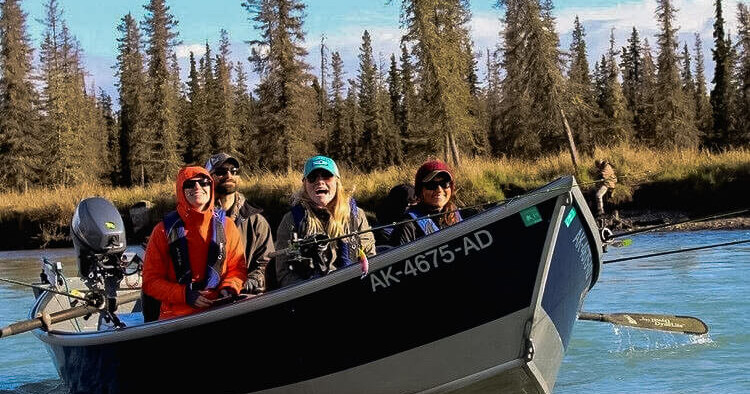
Moose Pass is the kind of place that arrives slowly: first in the sideways light on the Seward Highway, then as the scent of spruce and salt that fills the cab when you park. It’s intimate but rugged — a small cluster of lodges and outfitters that funnel day-trippers and multiday travelers into a vast network of water and mountain. The landscape compels two opposing impulses at once: to linger by a quiet river and to chase a horizon that keeps opening. You can spend a morning on a drift boat trolling for silver, an afternoon weaving kayaks through protected coves, and a late evening listening for wolves across the valley. Or, in winter, swap your waders for a helmet and carve a path by snowmobile across broad fields of wind-polished snow.
What makes Moose Pass useful as a base is its adjacency. The Seward Highway is both spine and lifeline: from it flows access to rafting stretches, put-ins for kayak tours, and short hikes that repay little effort with big views. Local guides specialize in tailored days — think fly-fishing drifts focused on trout or salmon, eco-tours that thread through estuaries for sea otters and eagles, and air-activity options that let you stand over glaciers within an hour. For travelers who prize variety over single-minded endurance, Moose Pass condenses Kenai-region highlights into approachable outings.
Practical rhythms matter here: tides and weather shape every plan. Water activities dominate late spring through early fall, while winter opens technical options — snowmobile routes, fat-bike loops where maintained, and air trips that land on snowy flats. Lodging tends to be small-scale and seasonal; book ahead for summer and late-spring salmon runs. The result is a place built for layering days: a quiet harbor paddle before lunch, a boat tour in the afternoon, and a cozy lodge dinner that trades fish tales and river maps.
This guide pairs evocative scenes with concrete planning notes: how to choose between a guided kayak tour or a boat rental, when to prioritize a wildlife eco-tour over a fishing charter, and what to pack for a shoulder-season day that might begin in mist and end in sunlight. Moose Pass rewards travelers who arrive with curiosity and leave with a list of next visits.
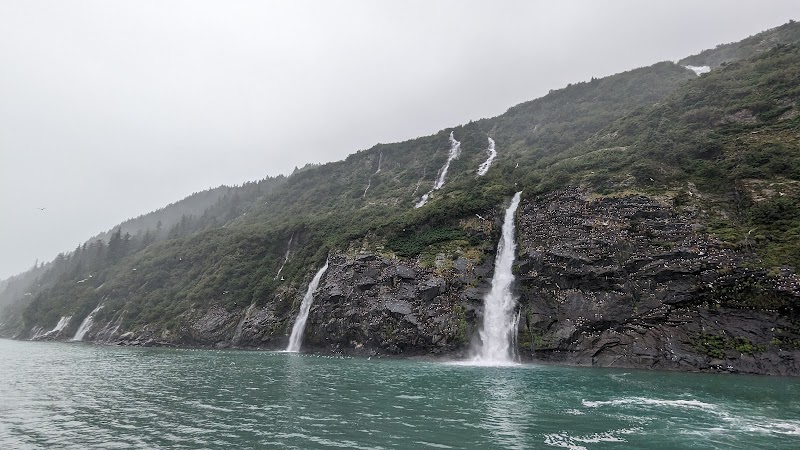
Access to the Kenai Mountains and nearby fjords means short transfers can deliver radically different experiences: calm estuarine paddling in the morning and gusty, eagle-dense boat tours in the afternoon. Outfitters in town are small and specialized—expect personalized service, knowledgeable local gear, and a willingness to tailor itineraries to weather and tide.
Wildlife is omnipresent but elusive; eagles perch on low limbs, moose browse near willow flats, and bears follow the salmon runs. Responsible viewing matters: keep distance, follow guides’ instructions, and pack bear spray when hiking or camping in summer months.
Moose Pass’s advantage is variety without surrendering the day to long transfers.