Air Activities in Mount Cobb, Pennsylvania
Mount Cobb Air Activities Guide

Air Activities in Mount Cobb, Pennsylvania

Set on the rolling Pocono plateau and skirted by tree-lined ridges, Mount Cobb is a quiet launch point for a surprising variety of air experiences. From early-morning balloon silhouettes and tandem paraglides that ride late-summer thermals to scenic small-plane hops over patchwork farmland and fall foliage, the real draw is the view—low, intimate, and ever-changing. This guide focuses on what to expect when you chase air beneath an open sky here: the terrain and weather that shape flights, how to plan and pack, and the complementary adventures that round out a high-altitude day out.

Pocono PlateauLackawanna CountyRidge SoaringSmall-Field Aviation

Live destination inventory

Top Air Activities Trips in Mount Cobb

6 trips · Book with confidence · Instant confirmation

The prototype intentionally does not invent replacement trip cards or add images that are not already part of the live source page.

The city from the water

Why Mount Cobb Works for Air Activities

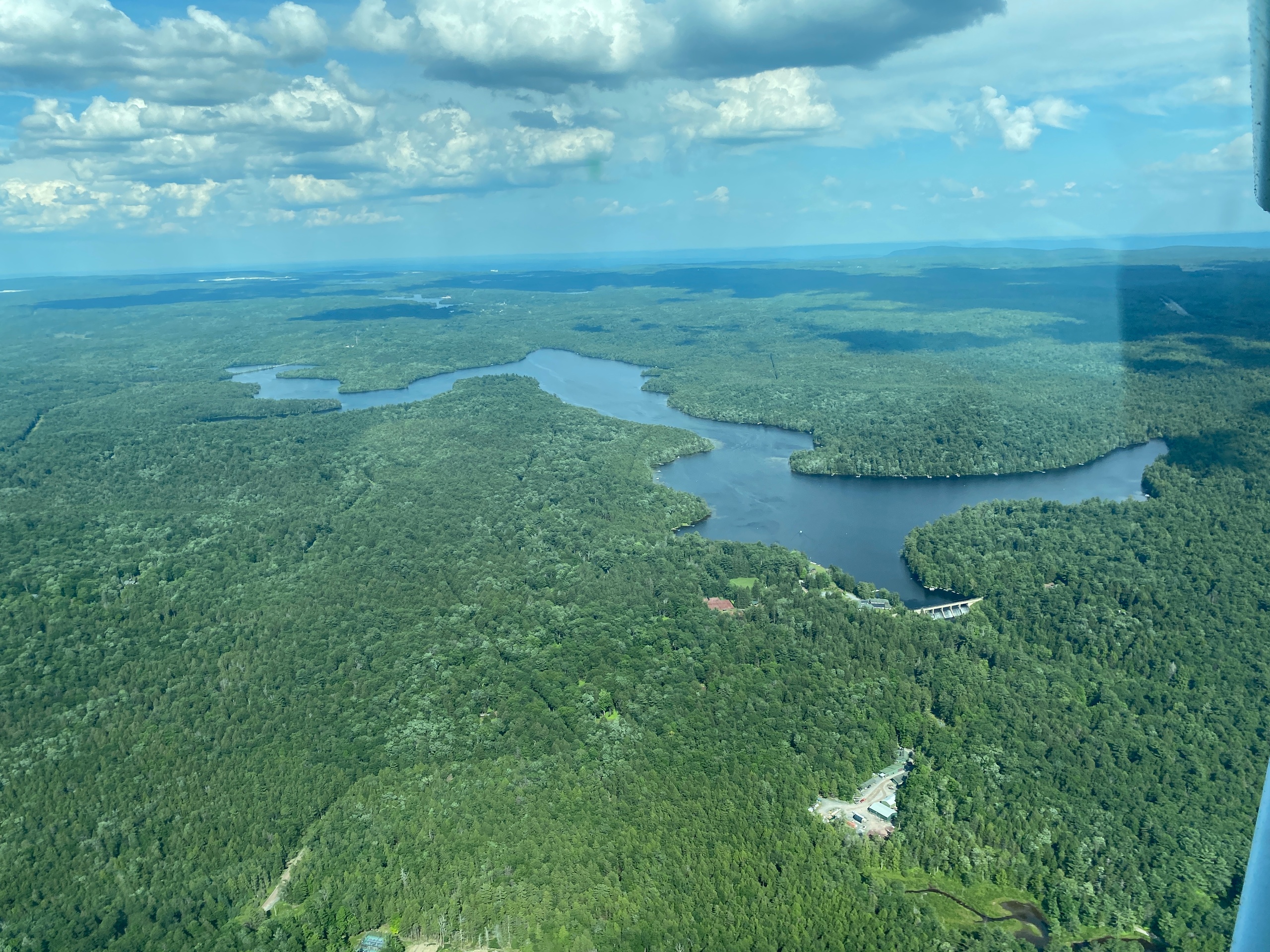
Mount Cobb sits where plateau meets ridge—an understated geography that creates accessible, forgiving conditions for a range of air-based experiences. The land here is not alpine drama but a stitched landscape of rolling fields, quiet lakes, and wooded ridgelines; that translates into flights that feel intimate rather than remote. For balloonists, the lower elevations and open agricultural parcels provide predictable launch and landing options during calm windows. For paragliders and powered paragliders, the modest freespace and nearby ridgelines generate lift that can be exploited on warm afternoons or in steady easterly flows. Small fixed-wing flights—Cessna hops or chartered scenic runs—are easily staged from nearby small airports and private airstrips, where short runways and friendly operators cater to visitors seeking a bird’s-eye tour without the fuss of a major airport. What makes flying around Mount Cobb especially appealing is seasonality that doubles as spectacle. Spring and early summer bring steady thermals and newborn green; midsummer windows favor early-morning or late-evening operations to avoid midday turbulence; and autumn transforms the plateau into a quilt of color that rewards any airborne perspective. The local aviation culture is grassroots—clubs, flying schools, and independent operators rather than large commercial carriers—so experiences tend to be personalized. That intimacy also means safety culture is front and center: pilots here read local wind patterns, watch thermal columns, and prioritize weather windows. If your interest is recreational—tandem paragliding, introductory paramotor lessons, a quiet balloon drift—or experiential—photography flights, aerial surveys, or pilot training—Mount Cobb gives an approachable, low-friction environment. Pair a morning flight with a lakeside hike or an afternoon at a nearby ridge for land-based vantage points; combine aerial time with local farm-to-table food for a day that feels both elevated and rooted in place.

The blend of low-elevation ridges and open farmland creates multiple micro-environments for air sports. Ridge-soaring opportunities exist where tree lines and escarpments form a consistent onshore-style flow; thermal flying is best in stable, sunny conditions with light background winds. Operators often schedule flights at sunrise or early evening to take advantage of calmer air and extended golden light, which also makes photography exceptional.

Logistics are straightforward but locally specific: expect small airstrips, volunteer-run launch sites, and a pilot community that values weather prudence. Because most activity is small-operator based, advanced booking is recommended for weekends and peak foliage dates, and flexibility is part of the plan—flights hinge on narrow weather windows that can shift with daily forecasts.
Activity focus

Choose by purpose

Whale watching, snorkeling, sunset sailing, cultural canoeing, harbor sightseeing, or private chartering.

Departure hubs

Start near the city

Waikiki and Honolulu Harbor are primary hubs, with some trips launching near Hanauma Bay.

Accessibility

Confirm the vessel

Gangways, shaded seating, and boarding requirements vary according to vessel size and operator.

Seasonal planning

Best Time to Visit

Mount Cobb is warm year-round, but wind, swell, migration, visibility, and demand change the best match between traveler and trip.

Mount Cobb boat tour
Year-round destination

Seasonal highlights change the reason to go

Winter favors humpback encounters; warmer, calmer months favor snorkeling visibility and smoother water.

Humpback season

Late September through mid-October for foliage-driven demand; weekends during this period can book up earlier.

Prime whale watching, winter holidays, higher demand, and earlier sell-outs.

Snorkeling window

May–June–July–August–September–October

Typically gentler seas and clearer water for snorkeling trips.

Weather notes

Trade winds year-round

Flying in the Mount Cobb area revolves around stable weather windows. Mornings and evenings typically offer the calmest winds and gentlest thermals. Summer days can develop midday convective turbulence—good for cross-country pilots but less comfortable for recreational tandem flights. Autumn produces consistent winds plus spectacular foliage; winter reduces available options due to cold, low ceilings, and snow-covered fields.

Quieter opportunities

Late spring & summer weekdays

Spring brings early-season thermal training and fewer crowds, while late fall and shoulder winter can still host occasional scenic flights on clear, calm days—but many operators scale back services.

Match the trip to your comfort

Choose Your Experience Level

Low effort

Beginner

Introductory options focus on tandem experiences and scenic flights where a certified pilot manages all technical aspects. Minimal instruction and no piloting certification required for passengers.

  • Tandem paragliding over low ridgelines
  • Hot-air balloon sunrise or sunset scenic drift
  • Short scenic fixed-wing hop for aerial photography
Active day trip

Intermediate

For visitors with some airtime or those taking lessons, intermediate activities might include introductory paragliding courses, supervised hill launches, and longer scenic flights that require familiarity with basic flight planning.

  • Introductory paragliding lessons with supervised flights
  • Paramotor introductory sessions under instructor control
  • Cross-country practice flights with a local pilot
Longer or technical

Advanced

Advanced pilots can exploit local microclimates and ridgelines for more technical flying—thermals, ridge-soaring, and cross-country navigation—while coordinating with local pilot communities and airspace requirements.

  • Unassisted cross-country paragliding using local thermal patterns
  • Advanced paramotor training and long-range navigation
  • Aerial surveying or photography missions with professional planning

Prepare for sun, spray, and swell

What to Bring

Essential

Core kit

  • Layers and a windproof outer shell (temperatures change quickly aloft)
  • Sturdy closed-toe shoes (no sandals) for launch and landing
  • Sunglasses and sunscreen—sun is stronger above tree line
  • Photo gear with a secure strap or tether
  • A small ID and any medical notes; operator paperwork may be required
Recommended

Useful extras

  • Gloves (thin, windproof) for cooler mornings and launches
  • Light backpack for personal items and easy stow on board
  • Soft-soled shoes if planning small-plane hops (to protect aircraft interiors)
  • Ear protection for louder aircraft and radio communication
Optional

Trip-specific

  • Compact binoculars for spotting landscape features or wildlife from the air
  • A lightweight down layer for autumn flights
  • A dry bag for any camera equipment on balloon flights
Weather dictates success—stay flexible and communicate with your operator the morning of your flight.

Insider Tips & Local Knowledge

Reserve whale-watching and popular sunset cruises well ahead during December–April.
Choose morning snorkeling departures for calmer seas and better underwater visibility.
For motion sensitivity, choose a larger vessel, sit mid-ship, and take preventative medication before boarding.
Do not touch coral or wildlife, avoid standing on reefs, and use reef-safe sunscreen.
Community-based operators may add context about traditional navigation and stewardship.
Arrive early for parking and check-in because Waikiki departure areas can be busy.

Planning questions

Frequently Asked Questions

No. Tandem paragliding and tethered or piloted balloon flights are designed for novices; operators train and brief passengers on safety and simple procedures before launch. Physical requirements are usually minimal, though some mobility is needed for basic standing launches and landings.
Air Activities in Mount Cobb, Pennsylvania
Ready for your air activities adventure?

Browse 6 verified trips in Mount Cobb.

Compare current availability and book with instant confirmation.

Explore Mount Cobb air activities