Top Kayak Adventures in Mountain View, Hawaii
Mountain View Kayak Guide

Top Kayak Adventures in Mountain View, Hawaii

Mountain View’s proximity to the Puna coastline and its mosaic of river mouths, sheltered bays, and lava-formed headlands make it an underrated place to paddle. Expect intimate estuary runs, exploratory shoreline tours past black-rock reefs, and easy-access launch points that connect calm morning waters with dramatic volcanic geography.

Puna CoastLava ShorelinesTropical Rainforest RiversCalm Bays & Estuaries

Live destination inventory

Top Kayak Trips in Mountain View

6 trips · Book with confidence · Instant confirmation

The prototype intentionally does not invent replacement trip cards or add images that are not already part of the live source page.

The city from the water

Why Mountain View, Hawaii Is a Standout Kayaking Destination

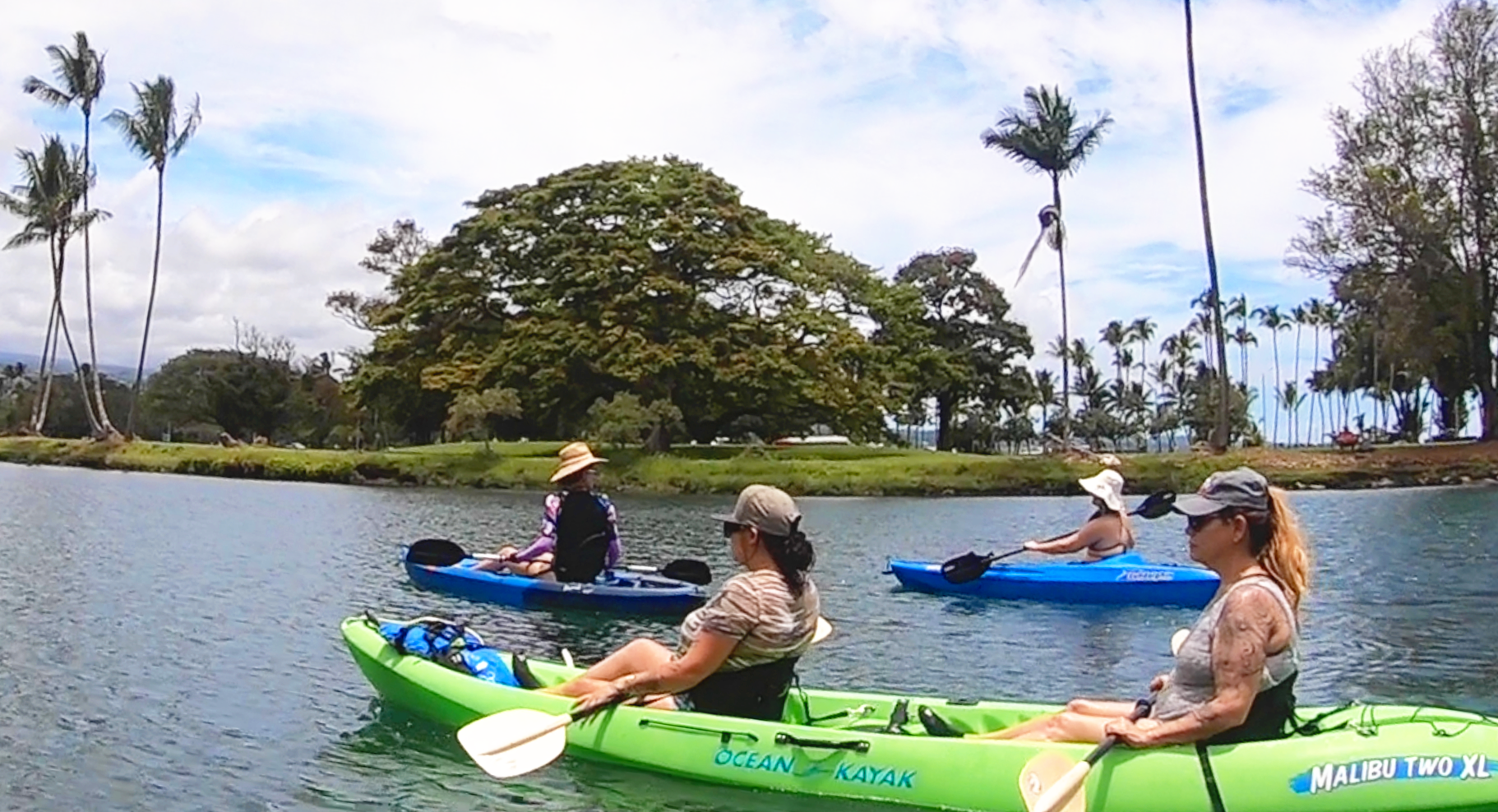
Mountain View sits inland in the Puna district of Hawai‘i Island, but its reach extends to coastlines shaped by recent lava flows and long, fern-steeped valleys that funnel freshwater into the sea. Kayaking here is less about postcard-blue lagoons and more about contrasts: the dark, glassy texture of new lava meeting the periwinkle of the Pacific; narrow estuary mouths flowing through vegetation heavy with orchids and ʻōhiʻa; and the sudden wide-open stretch of ocean where seabirds wheel. For paddlers who prefer exploration over crowds, Mountain View’s adjacency to varied shorelines creates a patchwork of short, satisfying outings and linked routes that can stretch into full-day adventures. What distinguishes paddling around Mountain View is that geography and microclimate conspire to make every trip feel like a small expedition. Morning launches often begin in sheltered coves and estuaries where the water is glass-smooth, ideal for learning boat handling or watching shorebirds and monk seals haul out on rocks. From there, routes unfurl along lava-cut headlands and across reef-protected bays where currents are gentle but conditions can change quickly with swell and trade-wind shifts. The coastline bears visible evidence of volcanic activity—jagged black rock, unexpected tidal pools, and cliffs carved by relentless surf—so shore-hugging paddles double as geology lessons. Inland, river mouths and braided streams present low-impact, green-water paddles through stands of ferns and palms, where the sound of water and insect life replaces motorized wake. Visitors looking for variety will find it here. Short half-day paddles pair well with morning hikes through adjacent trails or afternoon snorkeling sessions off calm reefs. For people coming from other islands or the mainland, the experience feels intimate because many classic Hawaiian coastal vistas are available without the crowds you’ll find at more famous beach towns. That intimacy carries responsibility: shoreline access points, fragile reef habitats, and local fishing areas require respect. Seasonality reshapes the palette of paddling opportunities—summer and early fall bring calmer seas and clearer visibility, while winter can produce larger swell, dramatic surf, and heightened chances of encountering migrating whales offshore. In Mountain View, good planning and local awareness mean safer, richer paddling: check tides, watch for currents near lava headlands, and consider a guided launch for open-ocean or surf-zone entries. When done thoughtfully, kayaking here is a quietly revelatory way to read the island—its history, its geology, and its rhythms—from the water.

Accessibility: Several low-key public launch points and river mouths near Mountain View make it easy to get on the water without a long drive, but parking and access etiquette vary—arrive early on busy mornings.

Diverse paddling: Options range from gentle estuary runs ideal for beginners to exposed coastal hops that test boat control and situational awareness for intermediate paddlers.

The harbor is the gateway, and the Pacific becomes the classroom.

Complementary activities: Combine kayaking with snorkeling, coastal hikes, birding, and volcanic geology walks for a full-day itinerary.

Activity focus

Choose by purpose

Whale watching, snorkeling, sunset sailing, cultural canoeing, harbor sightseeing, or private chartering.

Departure hubs

Start near the city

Waikiki and Honolulu Harbor are primary hubs, with some trips launching near Hanauma Bay.

Accessibility

Confirm the vessel

Gangways, shaded seating, and boarding requirements vary according to vessel size and operator.
Seasonal planning

Best Time to Visit

Mountain View is warm year-round, but wind, swell, migration, visibility, and demand change the best match between traveler and trip.

Mountain View boat tour
Year-round destination

Seasonal highlights change the reason to go

Winter favors humpback encounters; warmer, calmer months favor snorkeling visibility and smoother water.

Humpback season

Late spring through early fall (calmer seas and clearer skies).

Prime whale watching, winter holidays, higher demand, and earlier sell-outs.

Snorkeling window

April–May–September–October

Typically gentler seas and clearer water for snorkeling trips.

Weather notes

Trade winds year-round

Calmer seas and clearer visibility are most common in late spring through early fall. Trade winds strengthen in summer, which can make exposed coastal paddles windier in the afternoons. Winter months (November–March) can bring larger northward swell and better chances to see migrating whales, but also rougher sea conditions and surf near lava headlands.

Quieter opportunities

Late spring & summer weekdays

Winter offers dramatic surf, whale watching, and fewer crowds; guided launches are recommended for open-ocean or surf-zone paddles during this season.

Match the trip to your comfort

Choose Your Experience Level

Low effort

Beginner

Calm estuary runs and protected bay paddles with minimal current, short distances, and straightforward launch/land procedures. Suitable for families and first-time kayakers.

  • Short estuary exploration at low tide
  • Protected bay circumnavigation (half-day)
  • Guided intro paddle focusing on skills and safety
Active day trip

Intermediate

Longer shoreline routes that involve reef navigation, modest currents, and route-finding around lava headlands. Comfortable handling of wind and small swell recommended.

  • Coastal hop between sheltered coves
  • Mixed estuary-to-shoreline loop
  • Snorkel-and-paddle combination trip
Longer or technical

Advanced

Open-ocean crossings, paddles in surf zones, or long-distance routes that require solid navigation, surf-entry skills, and experience reading swell and current patterns.

  • Exposed headland passage with variable surf
  • Multi-mile coastal traverse requiring tide planning
  • Seasonal whale-watching paddles with large swell considerations

Prepare for sun, spray, and swell

What to Bring

Essential

Core kit

  • Personal flotation device (PFD) — required by law in many areas
  • Dry bag for phone, keys, and layers
  • Reef-safe sunscreen and sun protection (hat, sunglasses with leash)
  • Plenty of water and high-energy snacks
  • Footwear suitable for rocky or lava launches
Recommended

Useful extras

  • Whistle and small signaling mirror
  • Light wind shell or short insulating layer
  • Towline or small throw bag for group paddles
  • Waterproof map or downloaded marine charts/tide app
  • Basic first-aid kit and blister care
Optional

Trip-specific

  • Light camera with waterproof housing
  • Binoculars for bird and whale watching
  • Neoprene booties for cold or rough entries
  • Fishing license and gear (if planning to fish and where allowed)
Always verify access rules, weather, and marine forecasts before launching.

Insider Tips & Local Knowledge

Reserve whale-watching and popular sunset cruises well ahead during December–April.
Choose morning snorkeling departures for calmer seas and better underwater visibility.
For motion sensitivity, choose a larger vessel, sit mid-ship, and take preventative medication before boarding.
Do not touch coral or wildlife, avoid standing on reefs, and use reef-safe sunscreen.
Community-based operators may add context about traditional navigation and stewardship.
Arrive early for parking and check-in because Waikiki departure areas can be busy.

Planning questions

Frequently Asked Questions

Most day-use coastal and estuary launches do not require a special permit, but access points, parking, and protected sites can have local rules. Check county access notes and respect posted signs—if in doubt, contact local land managers or a guiding service for current information.
Top Kayak Adventures in Mountain View, Hawaii
Ready for your kayak adventure?

Browse 6 verified trips in Mountain View.

Compare current availability and book with instant confirmation.

Explore Mountain View kayak