Top 14 Photography Tours in Mountain View, Hawaii
Mountain View Photography Tour Guide

Top 14 Photography Tours in Mountain View, Hawaii

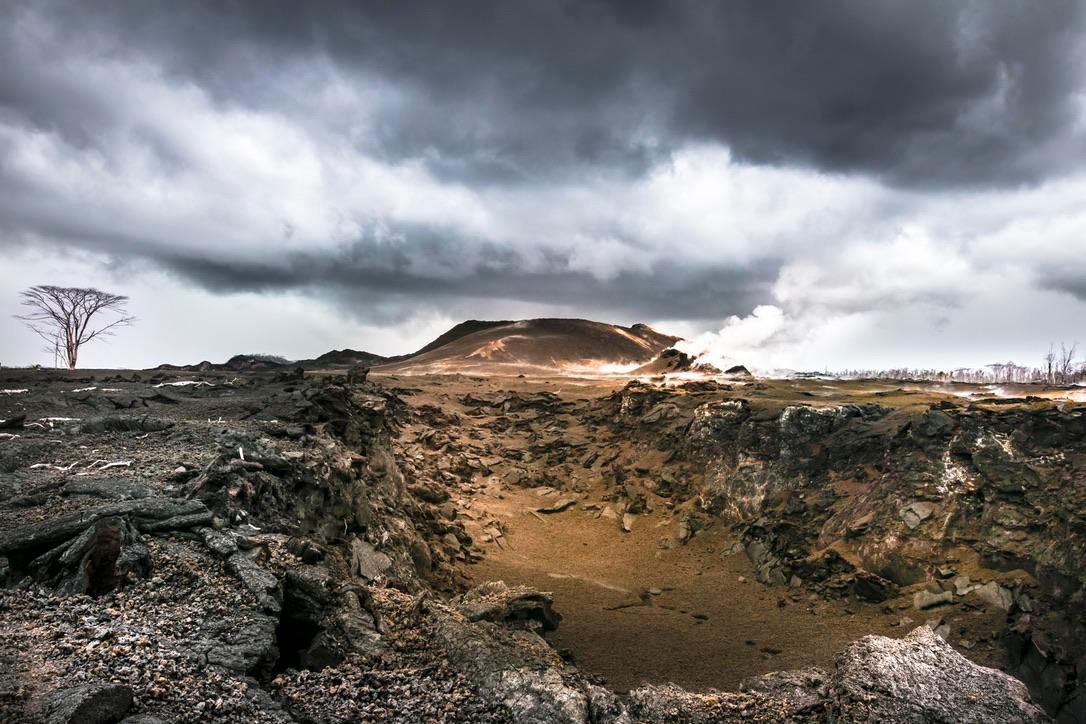
Mountain View is a photographer’s interface: where creased lava fields meet wet rainforest, where steamed earth smells of sulfur and coffee farms frame luminous mornings. Photography tours here specialize in contrasts—long, low light across blackened flows; intimate macro studies of endemic ferns and orchids; and the human textures of small-town Hawaiian life. This guide focuses on tours that deliver curated light, local knowledge, and terrain-aware planning so you can make images of volcanic drama, hidden waterfalls, cultural moments, and night skies without getting lost in the logistics.

Hawaii Volcanoes National ParkPuna RainforestKīpuka and Lava Fields

Live destination inventory

Top Photography Tour Trips in Mountain View

14 trips · Book with confidence · Instant confirmation

The prototype intentionally does not invent replacement trip cards or add images that are not already part of the live source page.

The city from the water

Why Mountain View, Hawaii Is a Standout Photography Tour Destination

Mountain View sits at a unique crossroads of geology, climate, and culture—one that photographers prize for narrative-rich light and rapidly changing subjects. On the island of Hawaiʻi, the Puna district’s mosaic of lava flows, rainforests, agricultural terraces, and small coastal inlets provides endless visual variety within short drives. For a photographer, that means a single morning can deliver a macro study of dew-laced ferns, a mid-day shoot among coffee orchards and wild ginger, and a sunset silhouette along cooled pahoehoe. Mountain View’s proximity to Hawaii Volcanoes National Park and accessible lava fields has made it a hub for guided photography walks tailored to capturing volcanic textures: glassy obsidian, cracked crusts, and the subtle palettes of cooling rock. Beyond geology, Mountain View’s human scale is equally important to the photographic experience. Local farmers, small temples, roadside markets, and weathered plantation-era architecture provide portrait and documentary opportunities that complement landscape work. Tours that prioritize local knowledge open doors—both literally and figuratively—to authentic moments, such as dawn coffee harvests, cultural ceremonies, or fishermen preparing nets before first light. Seasonal flowering cycles in the rainforest and the island’s shifting trade winds create microseasons; a shoot planned around a specific bloom or waterfall flow can be unexpectedly different day to day, rewarding flexibility and strong local guidance. Practical considerations shape which tours will deliver the images you want. Weather changes quickly here: mist can blanket a ridge in ten minutes, then clear to reveal saturated greens and deep contrast. Light quality can swing from soft, diffuse rainforest glow to hard, volcanic-side highlights; guides attuned to those shifts will position you for the most advantageous angles and lens choices. Accessibility is varied—some tours are paved, others traverse uneven lava rock, slippery trails, or muddy rainforest footing—so choosing a photography tour that matches your mobility and gear load matters. Night and astrophotography are also prominent draws around Mauna Kea and higher elevations nearby, but they require attention to dark-sky etiquette, road conditions, and sometimes restricted access. Finally, Mountain View’s compact nature favors multi-modal photography itineraries: combine a morning landscape tour with an afternoon cultural walk and an evening star session. The strongest photography tours here blend technical coaching (composition, exposure for high-contrast scenes, long-exposure lava or waterfall techniques) with a sensitivity to local culture and land stewardship. That approach ensures photos that are both technically refined and narratively honest—a living portrait of a place in dynamic balance between fire, rain, and people.

Tours range from short sunrise sessions that prioritize golden-hour composition to full-day expeditions into lava-scarred terrain and rainforest gullies. Many operators pair geological interpretation with photography instruction to help you read light and texture quickly.

Because weather and access change on the Big Island, flexible itineraries and knowledgeable guides are essential. Expect guides to scout vantage points, advise on lenses and filters, and navigate microclimates that can make or break a shoot.

Activity focus

Choose by purpose

Whale watching, snorkeling, sunset sailing, cultural canoeing, harbor sightseeing, or private chartering.

Departure hubs

Start near the city

Waikiki and Honolulu Harbor are primary hubs, with some trips launching near Hanauma Bay.

Accessibility

Confirm the vessel

Gangways, shaded seating, and boarding requirements vary according to vessel size and operator.
Seasonal planning

Best Time to Visit

Mountain View is warm year-round, but wind, swell, migration, visibility, and demand change the best match between traveler and trip.

Mountain View boat tour
Year-round destination

Seasonal highlights change the reason to go

Winter favors humpback encounters; warmer, calmer months favor snorkeling visibility and smoother water.

Humpback season

Holiday periods and summer tourism months bring more visitors; successful tours often book out in advance during these times.

Prime whale watching, winter holidays, higher demand, and earlier sell-outs.

Snorkeling window

April–May–September–October–November

Typically gentler seas and clearer water for snorkeling trips.

Weather notes

Trade winds year-round

Mountain View experiences variable microclimates—wet rainforest conditions near lower slopes and drier patches on cooled lava flats. Trade-wind patterns and localized storms produce quick shifts in light and precipitation. Mornings and late afternoons typically offer the most stable, photographically flattering light, while afternoon showers are common in wetter months.

Quieter opportunities

Late spring & summer weekdays

Wet season weekdays and shoulder months can offer solitude and dramatic skies; expect more rain but fewer crowds and more dynamic landscape conditions.

Match the trip to your comfort

Choose Your Experience Level

Low effort

Beginner

Short, accessible shoots that focus on composition, light-reading, and basic camera settings. Trails are generally easy or paved, and walking distances are modest.

  • Sunrise coffee-farm compositional walk
  • Black-sand beach golden-hour session
  • Guided waterfall photography with basic exposure coaching
Active day trip

Intermediate

Half-day tours that cover uneven terrain, mixed lighting, and introductory long-exposure techniques. Participants should be comfortable carrying gear across rocky or muddy ground.

  • Rainforest macro and waterfall workshop
  • Lava-field texture and abstract session
  • Coastal-to-forest mixed-light day tour
Longer or technical

Advanced

Full-day and specialty tours for experienced shooters that include demanding terrain, night-sky/astrophotography, or location-specific access. Requires strong footing, independent camera skills, and often additional stamina.

  • All-day volcanic landscape expedition with scouting and compositional drills
  • Night-sky and Milky Way workshop at higher elevations (subject to local access rules)
  • Multi-location light-chase tour combining dawn, midday, and sunset shoots

Prepare for sun, spray, and swell

What to Bring

Essential

Core kit

  • Camera body and primary lens(es) — wide-angle and a medium telephoto (24–70mm or 16–35mm and 70–200mm)
  • Sturdy, closed-toe shoes with good traction (lava rock and muddy trails are common)
  • Layered, weatherproof clothing and a packable rain shell
  • Extra batteries and memory cards (cold, humidity, and long exposures drain power)
  • Tripod rated for uneven ground and quick setup
Recommended

Useful extras

  • Neutral-density and polarizing filters for waterfall and coastal work
  • Lens cloths and small silica packets to manage humidity and spray
  • Small headlamp or flashlight for pre-dawn or night shoots
  • Water and high-energy snacks (some tour options are remote)
Optional

Trip-specific

  • Macro or close-focus lens for plants and insect subjects
  • Compact travel stool for long compositional waits
  • Portable rain cover for camera and backpack
  • Light weatherproof gloves for night sessions
Confirm access and weather with your guide the day before; microclimates can change plans quickly.

Insider Tips & Local Knowledge

Reserve whale-watching and popular sunset cruises well ahead during December–April.
Choose morning snorkeling departures for calmer seas and better underwater visibility.
For motion sensitivity, choose a larger vessel, sit mid-ship, and take preventative medication before boarding.
Do not touch coral or wildlife, avoid standing on reefs, and use reef-safe sunscreen.
Community-based operators may add context about traditional navigation and stewardship.
Arrive early for parking and check-in because Waikiki departure areas can be busy.

Planning questions

Frequently Asked Questions

Permits and access rules vary by location. Many photography tours use established legal access routes and private arrangements; always confirm with your tour operator and check National Park rules for commercial photography and drone restrictions.
Top 14 Photography Tours in Mountain View, Hawaii
Ready for your photography tour adventure?

Browse 14 verified trips in Mountain View.

Compare current availability and book with instant confirmation.

Explore Mountain View photography tour