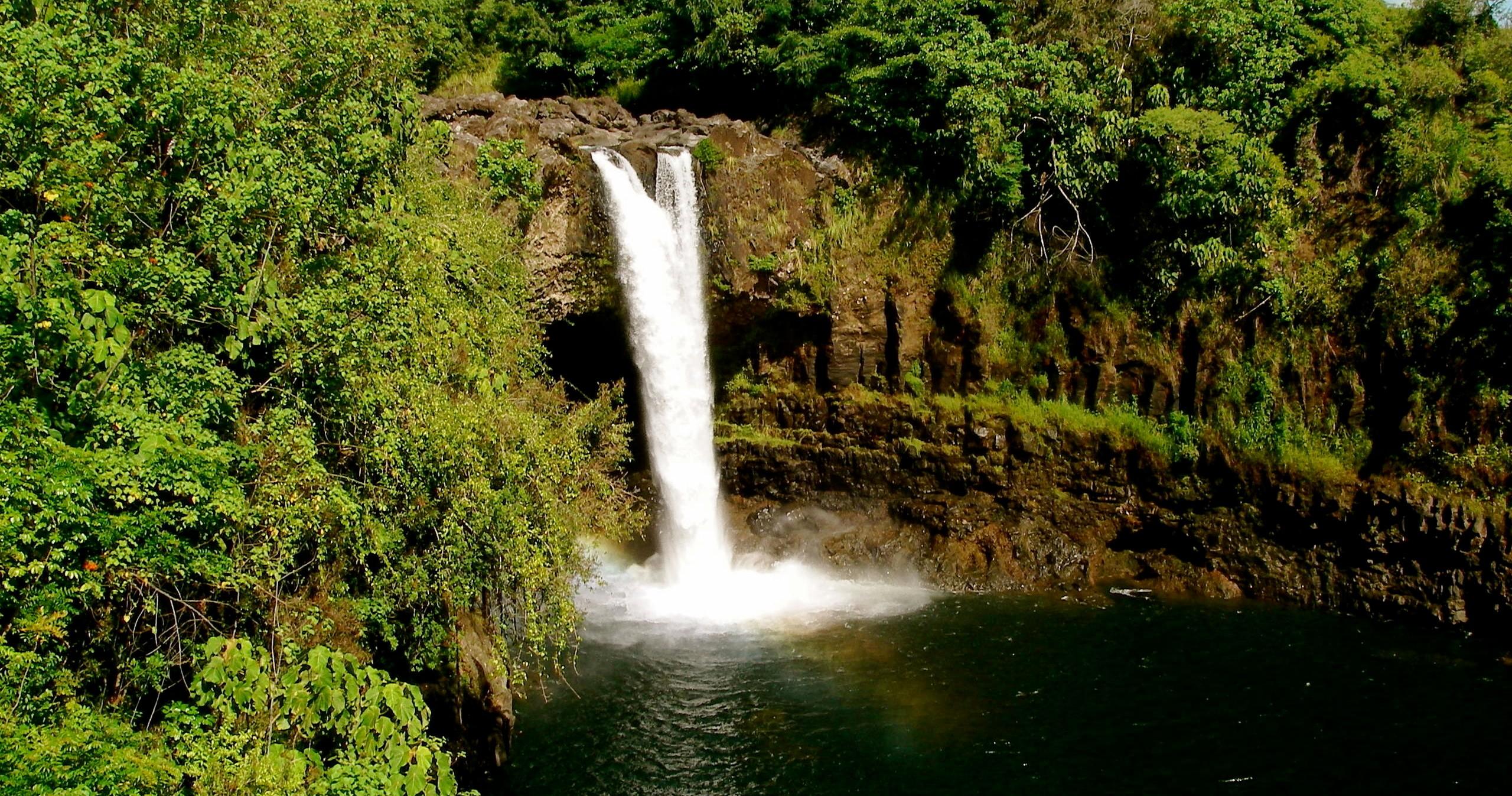
Ziplining in Mountain View is less about manufactured thrills and more about reading the island’s vertical biography. Here, lines are laid across a landscape carved by lava, rain, and time—where steep gulches funnel trade winds and mist collects in layers beneath the canopy. When you clip in, the first sensory impression is often green: the deep emerald of mature ʻōhiʻa, the lace of fern fronds, and the radiant gloss of tropical understory after a shower. The contrast between the heavy, ancient earth and the sudden emptiness beneath your feet—where a stream might appear as a silver thread—creates a unique tension. Many courses take advantage of steep private valleys, vintage macadamia stands, and pasture edges that offer panoramic views of Mauna Loa’s shoulder and, on clear days, the distant swath of the Hāmākua Coast.
Beyond the scenery, Mountain View’s zipline culture is quietly pragmatic. Operators tend to be small and locally rooted—family-run outfits or regional adventure companies that emphasize stewardship and safety. That local scale means routes often feel bespoke: platforms anchored to existing trees, guides who weave local stories into the safety briefing, and an operational cadence that adapts to sudden Hawaiian weather. It also means availability can fluctuate; smaller operators sell out quickly on weekends and holidays, and heavy rain or offshore winds can prompt conservative cancellations.
Culturally and environmentally, ziplining here sits on sensitive ground. Much of the region is within ancestral Hawaiian lands; operators frequently partner with landowners and cultural practitioners to ensure access respects wahi kūpuna (sacred places) and native ecosystems. Expect to hear about restoration projects, native reforestation efforts, and native bird habitat protections when you visit. That sense of place is part of the appeal: a zipline day can be an introduction not just to speed and height but to local conservation and the island’s volcanic narrative.
For planning, the practical considerations are straightforward but essential. Morning windows are usually calmer—less wind, fewer afternoon showers—so early slots are both safer and more scenic. Pack for humidity and quick temperature swings: a light rain shell, secure footwear, and a dry bag for electronics. Combine a half-day zipline with an afternoon waterfall hike or a farm visit to make the most of travel time from Hilo or Volcano village. Whether you’re a nervous first-timer or a thrill-seeker looking for long-run airtime, Mountain View’s ziplines deliver a rooted, island-forward experience that pairs adrenaline with understanding: you’re flying through a living landscape with its own history, hazards, and rhythms.
Small, locally run operators create intimate, customized experiences—book early for weekends and busy holiday windows.
Weather is the primary limiter: trade-wind gusts and tropical showers can force cancellations, so early-morning reservations are advisable.
The harbor is the gateway, and the Pacific becomes the classroom.
Zipline circuits here often sit alongside complementary activities: waterfall trails, botanical gardens, and coffee or macadamia farm tours.
Choose by purpose
Whale watching, snorkeling, sunset sailing, cultural canoeing, harbor sightseeing, or private chartering.
Start near the city
Waikiki and Honolulu Harbor are primary hubs, with some trips launching near Hanauma Bay.
Confirm the vessel
Gangways, shaded seating, and boarding requirements vary according to vessel size and operator.