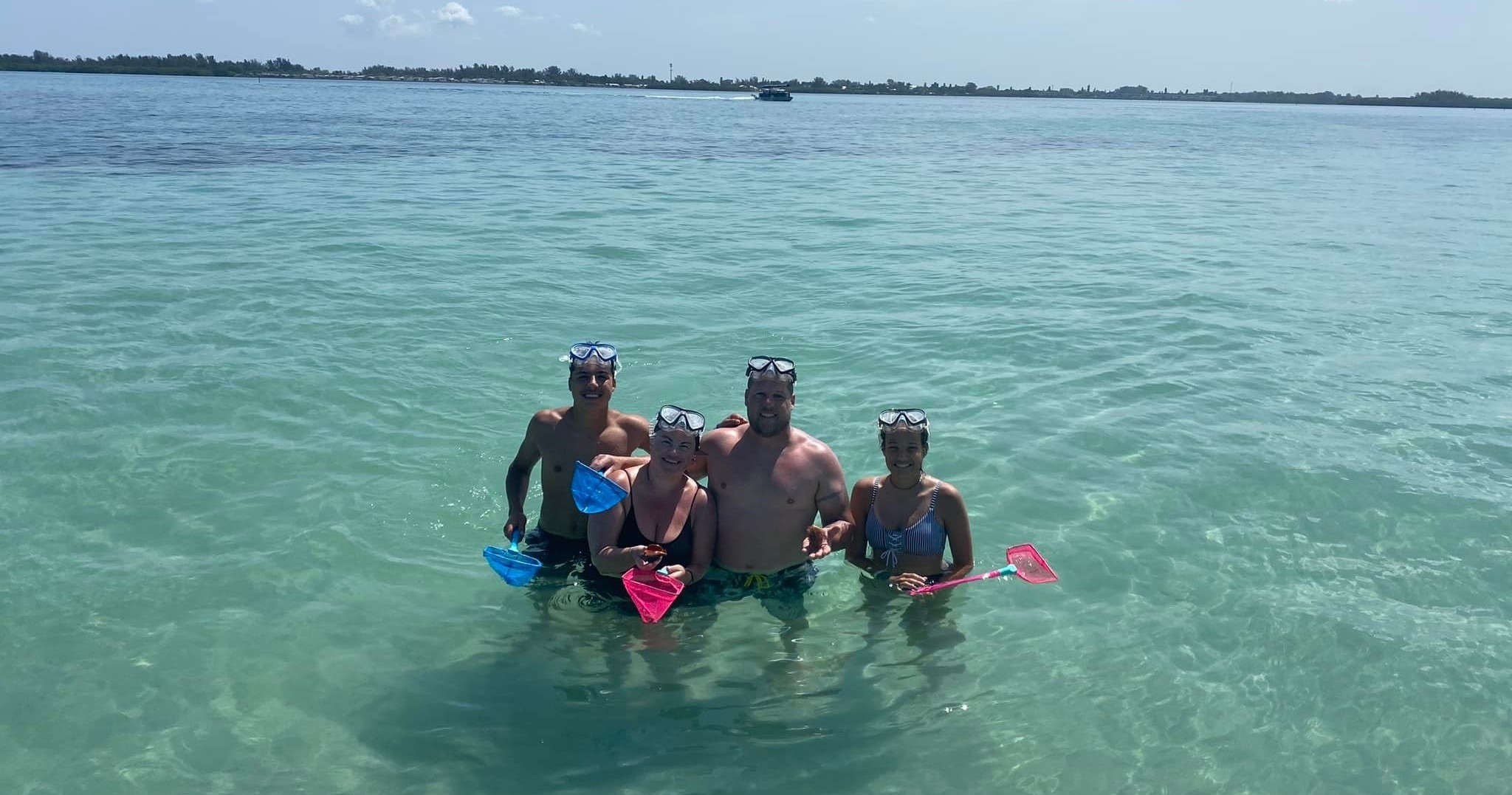
Why Myakka City Works for Snorkelers
On a map, Myakka City reads as inland—an expanse of cabbage palms, grazing pasture, and the broad sweep of the Myakka River. But in practice it’s better described as a crossroads: a quiet agricultural hinterland that puts you within an easy drive of Southwest Florida’s coastal ecology. That juxtaposition is what makes Myakka City compelling for snorkelers who want variety. Within an hour you can move from low-slung mangrove tunnels and brackish estuaries to sunlit seagrass flats that host juvenile fish and stingrays, to offshore sites where artificial reefs and shallow wrecks attract larger schools and the occasional grouper. Each setting teaches a different language of water—different visibility, different species, different rhythms tied to tides and wind. Approaching snorkeling from Myakka City’s vantage point encourages a broader itinerary: morning birding at Myakka River State Park, midday beach snorkel along the Sarasota coast, and an afternoon paddling or shelling stop before sunset.
This guide isn’t romanticism about tropical reefs; it’s practical lab notes for travels that blend curiosity with caution. Visibility in Florida’s Gulf can vary dramatically with season and recent weather—calm, clear days reveal painterly patterns in seagrass; windy afternoons churn sediments and reduce sightlines. Mangrove-edge snorkeling is intimate and quiet, offering close views of crustaceans, pipefish, and the cryptic life that clings to roots, but it also requires awareness of boat traffic and tidal flows. Offshore wrecks can be exhilarating, but they usually mean a boat ride and a guide who knows the currents. And one more thing: the inland watercourses around Myakka City support alligators and turbid riverine conditions; they are fascinating ecosystems to observe from a safe distance, but they are not replacements for coastal snorkeling.
Practical travelers get the most out of this region by planning around tides, choosing appropriate access points, and leaning on local outfitters for offshore excursions. Pair your snorkeling days with complementary activities—kayaking mangrove creeks, scouting shorelines for fossilized shark teeth, cycling rural backroads, or timing a beachcombing session for low tide. Pack for sun, salt, and sudden summer showers: reef-safe sunscreen, a thoughtful kit for comfort and safety, and an ethic of leave-no-trace. Ultimately, Myakka City’s value is logistical and experiential: it’s a calm, characterful hub that opens the door to a surprising breadth of snorkel environments, from the hush of tidal creeks to the wide, busy geometry of the Gulf.
Variety within reach: In a single day you can sample mangrove snorkeling nearshore, then transition to shallow Gulf flats or join a boat for a reef or wreck site—each environment highlights different species and different seasonal windows for visibility.
Seasonal nuance matters: Spring and fall often deliver the clearest water as weather stabilizes; summer brings warm water and frequent thunderstorms that can stir sediments, while winter tends to calm winds and bring cooler temperatures that local wildlife adapt to in distinctive ways.