Why Nags Head Is a Standout for Sightseeing Tours
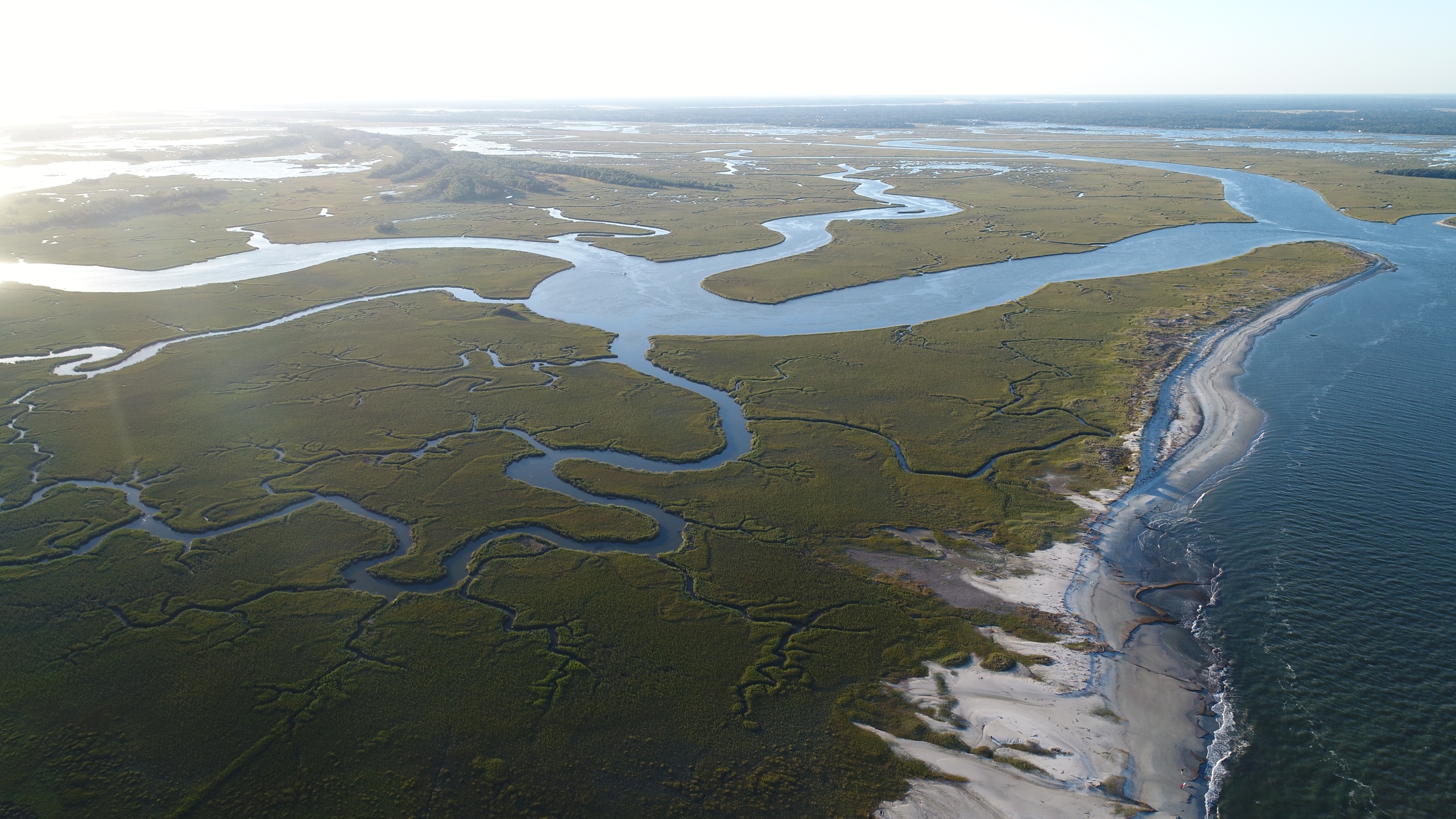
Nags Head distills the Outer Banks into a compact, readable coastline where every turn of the road and bend of the sound reveals a different chapter—maritime lore, migratory life cycles, and the relentless work of wind and water. Sightseeing tours here do more than point out pretty things; they unpack the layered relationship between a barrier island and the people who navigate, fish, build, and protect it. A short boat ride will show you the thin line where the Atlantic erases one footprint and leaves another. A guided dune walk explains how this terrain shifts seasonally, why the grasses matter, and how human interventions have shaped the shoreline for a century.
Culturally, Nags Head is a meeting place of practical seafaring and modern leisure. Tours weave in stories of lighthouses—monuments to maritime safety and the rhythms of trade—alongside accounts of resident life, from oystermen and Coast Guard families to the visitors who arrive seeking wind and wide horizons. Naturalists lead birding excursions that read like migration atlases; kayakers slip silently through marsh channels to watch egrets and ospreys fish at arm’s length. Each format—land, sea, or sand—offers a different scale of intimacy with the environment. On land, a trolley or bicycle tour gives the feel of a small coastal town with surf shops, seafood counters, and salt-pruned pines. On water, a sound cruise magnifies the margins between tidal creeks and open ocean, where the real ecological drama happens.
Practically, touring in Nags Head is accessible to a broad range of visitors, but it also rewards planning. Popular sunset cruises and narrated lighthouse visits fill up in summer; spring and fall offer bird migration and calmer tides with smaller crowds. Weather matters more than distance—sudden coastal storms, fog, and seasonal northeasters can reshape itineraries. Many tour operators emphasize local stewardship: beach cleanups, wildlife-safe viewing guidelines, and leave-no-trace practices are now woven into the narrative. That stewardship changes the tone of sightseeing from passive observation to a form of attentive travel, where learning how fragile these systems are is part of the pleasure.
In short, sightseeing tours in Nags Head are immersive primer courses on coastal dynamics—ecology, history, and human adaptation—delivered in formats that range from slow and contemplative to active and exploratory. They are ideal for families, photographers, birders, and first-time visitors who want context with their views. The best tours leave you with an improved sense of where you are, why the place looks the way it does, and how to experience it responsibly on your own.
Tours bridge the divide between sound-side ecology and ocean-side spectacle: marsh cruises, dolphin-spotting trips, and narrated lighthouse drives each reveal distinct habitats and histories.
Because the coastline is dynamic, operators emphasize timing—tide tables, tide-dependent access, and seasonal wildlife windows matter more here than driving distance.
Nags Head’s small scale makes it possible to pair a guided tour with DIY exploration—rent a bike after a morning sound cruise, or walk Jockey’s Ridge at dusk after a coastal history tour.