Why New Orleans Is an Exceptional Place for Eco Tours
There’s a particular kind of quiet here: not the absence of sound but the layered hum of life—frogs calling from the reeds, the soft scrape of a kayak through tannic water, and the distant rumble of river towboats. New Orleans’s eco tours are less about leaving civilization behind and more about seeing the city’s wild margins with new eyes. Within a short drive of the French Quarter you can slip into ancient cypress stands where knees rise from the mud like punctuation marks, or paddle a narrow bayou threaded past shotgun houses and mangled gin-clear channels that have learned to hold both histories and tides. Guides here are interpreters of a hybrid landscape: they merge ecological literacy—who nests where, why the marsh green matters—with cultural context, from Indigenous stewardship and Creole fishing traditions to modern restoration efforts and the scars of hurricanes.
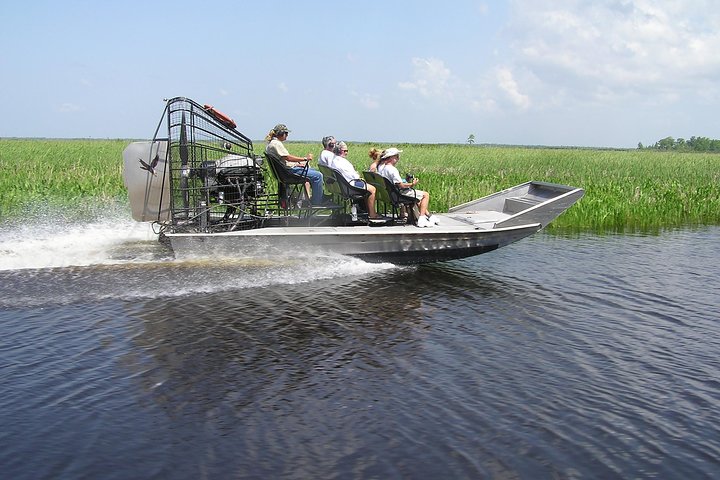
Choosing an eco tour in New Orleans is a study in contrasts. Some experiences are engineered for effortless observation: airboat or shallow-draft boat tours that float through expansive marshes, stopping for egrets and alligators in wide daylight. Others invite a smaller footprint: tandem kayaking through narrow oxbows, or guided walking loops along levee-top marshes where migratory songbirds stop to refuel. Beyond wildlife, many eco tours foreground the human story—how levees, ports, and wetlands interact, how restoration projects replant marsh grasses to buffer storm surge, and how local communities are reclaiming shoreline for both habitat and heritage. Conservation-minded operators pair reading the environment with action: citizen-science bird counts, shoreline cleanups, and volunteer planting days that double as guided field lessons.
Seasonality defines many of these offerings. Fall and spring migration bring waterfowl and raptors; winter highlights large flocks and sharper light for photography; spring thaws and pre-summer warmth trigger breeding activity and dense vegetation that can make a swamp feel like a cathedral. Summer offers lush growth and amphibian choruses but also higher temperatures, humidity, and insects—conditions that shape shorter, early-morning tour windows. Weather and tides are part of the plan; operators adjust routes and departure times to maximize wildlife viewing while minimizing environmental impact. For travelers, eco tours in New Orleans are richly accessible—an easy half-day boat trip can satisfy casual curiosity, while multi-day paddling options and volunteer-focused excursions reward deeper engagement. In every case, the experience is as much about listening as seeing: to local stories, seasonal rhythms, and the ways a city built along water learns to live with it.
Guided swamp and marsh tours range from motorized boats to quiet kayaks; choose by desired intimacy with wildlife and tolerance for wake/noise.
Many operators combine eco education with cultural storytelling—expect discussions about fisheries, coastal erosion, and community resilience alongside wildlife spotting.
Responsible operators practice leave-no-trace principles and often support restoration projects—ask before booking if you want a tour with a volunteer component.