Dolphin in New Smyrna Beach, Florida

Read the destination guide ↓
Popular Activities
More activities
0 adventures loaded
Dolphin in New Smyrna Beach, Florida
New Smyrna Beach Dolphin Guide

Dolphin in New Smyrna Beach, Florida

New Smyrna Beach is where the Atlantic meets estuary, and where curious bottlenose dolphins carve routines through breaking waves, bait-rich inlets, and quiet channels. This guide focuses on dolphin-centered outings—shoreline spotting, guided boat tours, kayak and SUP encounters, and the low-impact ways to observe and appreciate wild marine mammals while supporting local conservation.

Atlantic Surf ZoneIntracoastal WaterwayPonce Inlet & Indian River Lagoon
By Robert Eric CrewsFounder & Editor, The Adventure Collective

Dolphin in New Smyrna Beach

Why New Smyrna Beach Is a Standout Dolphin Destination

New Smyrna Beach’s marine theater is stitched together from surf, sandbars, and sheltered estuaries. Bottlenose dolphins—curious, social, and opportunistic—find food and shelter in the same places anglers, paddlers, and surfers do. From the surf zone where dolphins mill around the breaking waves and school with pelagic fish to the calmer backwaters of the Intracoastal Waterway and adjacent lagoon systems, the area offers a diversity of viewing contexts uncommon on a single coastline. That variety translates to accessible encounters: you can watch dolphins from a wide public beach at sunrise, join a small-group kayak tour through mangrove channels, or ride a shallow-draft skiff into channels where pods hunt along tidal edges.

The appeal here is both immediate and ecological. New Smyrna sits near the Indian River Lagoon complex and connected inlets that act as fish nurseries—places rich in baitfish and crustaceans. Those prey concentrations draw dolphins, especially in spring and summer when baitfish are abundant, but resident groups also remain year-round. Observers frequently see dynamic behaviors—porpoising near the inlet, surfacing in tight formations, or carefully working a feeding lane. For photographers and naturalists the light and proximity can be extraordinary; for casual travelers it’s the simple thrill of seeing wild mammals navigate their world with intent.

Equally important is the local culture of stewardship. Tour operators, bait-and-tackle shops, and coastal managers understand that healthy dolphin populations depend on healthy habitats—clean water, intact shorelines, and responsible boating. That ethos shapes how tours are run here: emphasis on non-invasive approaches, interpretive commentary that explains dolphin ecology, and practical tips for minimizing disturbance. For travelers who want more than a fleeting sighting, the area also pairs dolphin viewing with complementary pursuits—surf lessons, estuary paddle trips, birdwatching in mangroves, and coastal conservation volunteer opportunities—so a day built around dolphins can become a broader lesson in coastal resilience and the rhythms of a subtropical shoreline.

Dolphins are visible year-round, but behavior and group size shift with seasons, tides, and bait movements.

Accessible options range from free shore-watching to guided small-boat and paddle-based tours that prioritize minimal disturbance.

Pair dolphin trips with early-morning surf or late-afternoon estuary paddles for calmer water and better light for photos.
Seasonal planning

Best Time to Visit

Seasonal conditions and travel timing in New Smyrna Beach.

New Smyrna Beach Dolphin
Seasonal planning

New Smyrna Beach throughout the year

New Smyrna Beach has a warm, subtropical climate. Morning hours are often calmest on the water; summer brings daily afternoon thunderstorms and higher humidity; winter fronts can produce cooler, clearer days with brisk winds. Tidal cycles and baitfish movements influence dolphin locations more than calendar dates.

Peak season

Late spring through summer sees increased boat traffic and tour demand as warmer water concentrates baitfish and recreational visitors.

Popular travel period with peak availability and booking demand.

Best months

April–May–June–July–August–September

Optimal seasonal conditions for outdoor trips.

Weather notes

New Smyrna Beach has a warm, subtropical climate. Morning hours are often calmest on the water; summer brings daily afternoon thunderstorms and higher humidity; winter fronts can produce cooler, clearer days with brisk winds. Tidal cycles and baitfish movements influence dolphin locations more than calendar dates.

Off-peak opportunities

Fall and winter can offer quieter shorelines and good viewing from beaches and inlets. Cooler months may change dolphin distribution but often mean fewer crowds and calmer sights for photography.

Match the trip to your comfort

Choose Your Experience Level

Low effort

Beginner

Quick, low-effort ways to see dolphins suitable for families and casual visitors—public beaches and short guided excursions with minimal gear.

  • Sunrise shore watching from New Smyrna’s public beach
  • Short harbor or inlet sightseeing cruise
  • Beginner-friendly kayak rental with naturalist briefing
Active trip

Intermediate

Hands-on, guided outings that require basic paddling or comfort on small vessels—good for travelers who want closer, interpretive experiences.

  • Half-day small-group dolphin and estuary kayak tour
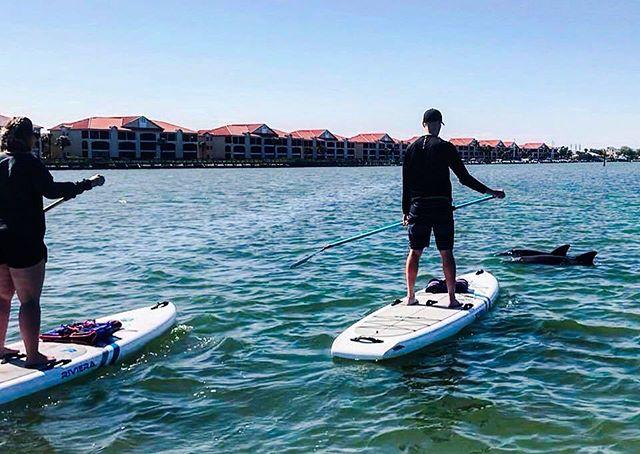
  • Stand-up paddleboard wildlife tour near the inlet
  • Guided skiff trips that combine dolphin viewing with coastal ecology
Technical or extended

Advanced

Self-directed or specialized experiences for seasoned paddlers, photographers, or anglers seeking focused encounters and longer outings.

  • Private charter with a wildlife-focused captain
  • Multi-hour photography-oriented boat trips timed for light and behavior
  • Sea-kayak exploration of connected waterways with independent navigation

Prepare for your excursion

What to Bring

Essential

Core kit

  • Polarized sunglasses and a wide-brim hat
  • Sunscreen (reef-safe preferred) and water
  • Light waterproof layer or windbreaker for boat spray
  • Binoculars for distant groups
  • Motion-sickness medication if you’re prone to seasickness
Recommended

Useful extras

  • Dry bag for phone and camera
  • Telephoto or zoom lens for wildlife photography
  • Reusable water bottle and snacks
  • Quick-dry clothing and a change of clothes
Optional

Trip-specific

  • Small notepad for jotting behaviors and times
  • Waterproof phone case for action shots
  • Local field guide or species ID app
Prioritize low-impact viewing. Regulations and best practices exist to protect both dolphins and people—stay informed before you go.

Insider Tips & Local Knowledge

Get out early: mornings are often glassy and wildlife-active before afternoon winds and storms build. Book small-group or conservation-minded operators for a quieter, educational experience; those skiffs and kayaks often follow tighter ethical guidelines. Pay attention to tides—estuary channels can be more active at certain tidal stages when baitfish shift. Pack for motion: even short offshore runs can be rolling; a simple patch of ginger or a motion-sickness remedy can make the difference. Finally, leave no trace: avoid discarding bait or plastics, secure fishing gear, and never attempt to feed or touch wild dolphins. These small habits help maintain the very behaviors that make New Smyrna such a reliable place to see them.

Planning questions

Frequently Asked Questions

No personal permit is required for casual shore-based viewing or photography. Commercial operators run licensed tours and follow state and federal wildlife guidelines; if you plan a commercial or research activity, check with local authorities for requirements.
Dolphin in New Smyrna Beach, Florida
Ready for your dolphin adventure?

Browse trips in New Smyrna Beach.

Compare current availability and book with instant confirmation.

Explore New Smyrna Beach dolphin →