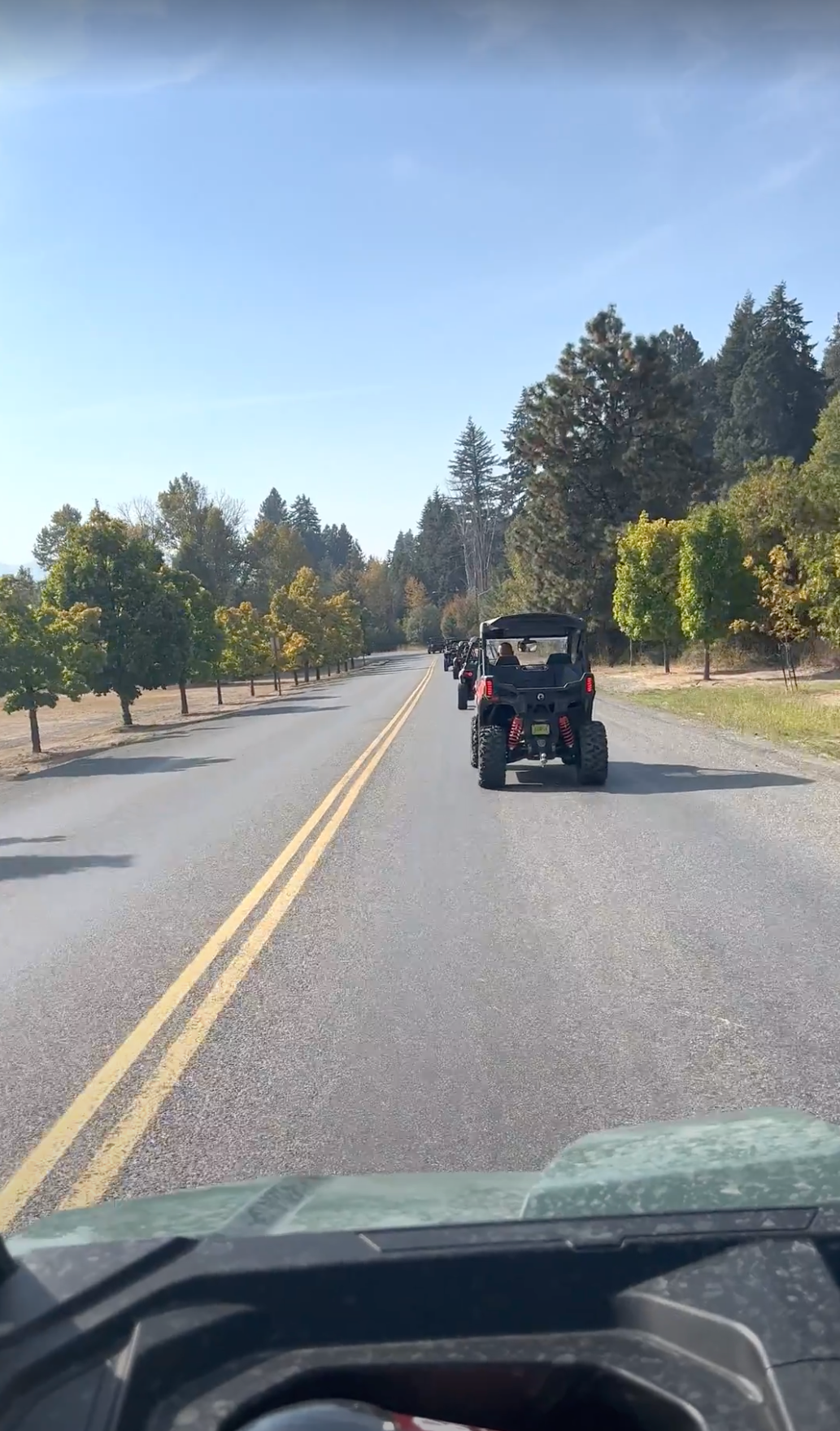
Why North Bend Works for ATV & UTV Riders
There’s a certain geometry to riding around North Bend: a low, river-flat approach that quickly rises into beaten gravel, steep logging grades, and fern-choked side paths that feel private even on a summer weekend. For riders who prize proximity—getting off the freeway and into dirt without an all-day drive—North Bend is shorthand for efficient adventure. Drivers from the greater Seattle area can be on trail in under an hour, trading city gridlock for the immediate percussion of tires on gravel and the scent of cedar and damp earth.
The landscape here is not extreme mountain desert; it’s Pacific Northwest temperate forest stitched with old logging spur roads, seasonal service tracks, and managed ORV playgrounds. That mix translates to varied outings: mellow valley cruises that give novices a confidence-building feel for handling a side-by-side, technical connector routes where ruts and roots test line choice and throttle control, and long forest-service jaunts that reward steady navigation with views, creek crossings, and the satisfying solitude of the Cascades’ western shoulder.
Seasonality shapes almost everything. Late spring and summer are the core riding months—after winter mud has consolidated and before autumn rains make steep sections slick. In early fall the air tightens and the light softens, but afternoon showers can come quickly; in winter much of the public network closes or becomes unreliable because of washouts and snow. Because many of the best routes run across mixed ownership—state lands, federal forest, and private timber areas—access patterns change with timber operations and land-management rules. Responsible riders check the current status before they head out, respect posted closures, and treat gate lines and signage as a legal and ethical boundary.
Practicalities matter. North Bend hosts a handful of outfitters and rental shops within easy reach of staging areas, so visitors can leave trailers at home and still get into a four- or six-seat UTV. Guided rides range from two-hour orientation tours to half-day route runs that combine machine time with short trail hikes, lunch breaks at creekside clearings, and basic mechanical support. Independent riders favor early starts to avoid weekend congestion and to beat afternoon showers.
Beyond the handlebars, North Bend’s broader outdoor palette makes it an attractive multi-activity basecamp. Hikers and mountain bikers share nearby trails; anglers find salmon and trout opportunities in adjoining rivers; climbers and photographers prize the region's river-cut bluffs and ridgelines. For riders who want to mix activities, the town's accommodations, microbreweries, and short scenic drives create a low-friction itinerary: ride in the morning, explore a short trail or waterfall in the afternoon, and regroup in town with dinner and local beer.
The balance that makes North Bend compelling is also a conservation story: tighter roadside communities mean louder scrutiny. Local clubs and land managers increasingly emphasize trail stewardship, rider education, and noise mitigation. Good etiquette—staging well off busy roads, packing out trash, and avoiding wet-season abuse of soft trails—keeps gaps open between the motorized community and other forest users. In short, North Bend is a concentrated, accessible, and richly textured place to ride; success there comes from marrying practical preparation with a willingness to adapt to the mountain climate and local land-use realities.
Variety in close quarters: short technical loops, extended forest-service runs, and rental-friendly routes are all accessible within a short drive from town.
Season-first planning: much of the riding window is late spring through early fall; heavy rain narrows rideable options and increases trail damage risk.
Shared landscapes: many popular corridors intersect multi-use trails and riverside greenways; riders should yield, slow, and communicate when encountering pedestrians, mountain bikers, or anglers.