Why North Conway Is a Climber’s Gateway to the White Mountains
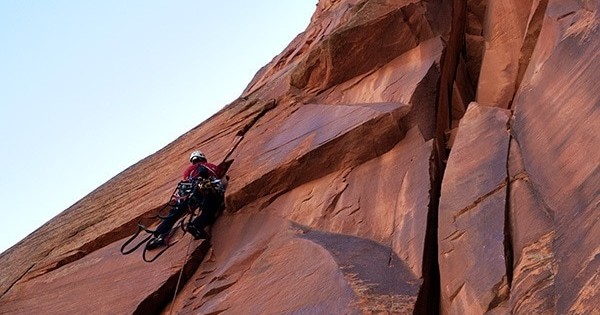
North Conway is deceptively compact: a small town that funnels access into a wide range of granite climbing. The area’s reputation grew from two complementary strengths—spectacular, clean rock near easy parking and a cluster of classic crags that demand attention but not an all-day commitment. Cathedral Ledge, a single-mile ridge of steep granite, offers long single-pitch faces and short multi-pitch lines whose approaches are measured in minutes rather than miles. A short drive away, outlying cliff bands and quarried faces deliver variety—vertical, slab, and featured cracks—so you can spend a morning on a sharp trad line and an afternoon on bolted sport routes without a long transfer.
The climbing here is shaped by New England granite: abrasive, often featured with thin edges and frictiony slabs that reward technique and thoughtful footwork. Seasons carve the experience; spring and fall bring crisp air and stable conditions for trad and sport, while summer carries the risk of humidity and afternoon storms—conditions that can leave slabs slick and approaches muddy. Winter flips the script: when temperatures and snowfall align, gullies and shaded cliff bands form ice and mixed routes that attract climbers with technical tools and cold-weather experience. The local scene blends guide services, rental shops, and a network of volunteer groups that steward access—so visitors find both resources and a conservation-minded community.
Culturally, North Conway feels like an honest outdoor town: a handful of outfitters, a few guide services, and cafés where boot-clad climbers trade beta. The historical thread matters too—these routes were developed incrementally by climbers who prioritized lines that fit the rock, creating a patchwork of classic pitches and lesser-known gems. That history is tangible on the cliff: fixed anchors, hand-drilled bolts on older routes, and clean trad placements where protecting the crack remains the route. For travelers, North Conway’s advantage is practical—proximity. You can climb hard in the morning, hike a ridgeline in the afternoon, and still be back in town for a meal—making it ideal for compact climbing-focused trips or a base for exploring the wider White Mountains.
Fast access: Many of the region’s most popular walls are short approaches from trailheads or roadside pullouts, which makes it straightforward for day trips.
Rock character: Predominantly granite with a mix of friction slabs, cracks, and occasional vertical faces—technical footwork and precise gear placement pay dividends.
Seasonal variety: Spring and fall are prime for rock; winter opens ice and mixed lines for properly equipped climbers.
Complementary outdoor options: Hiking, mountain biking, paddling on nearby Echo Lake, and scenic drives make it easy to pair climbing with other activities.