Why North Miami Beach Is a Walking-Tour Destination
Walking in North Miami Beach is a study in contrast—mangrove thickets and tidal flats meet vehicle-lined boulevards, public parks abut low-rise condos, and the rhythm of commuter life softens into the long, open sightlines of Biscayne Bay. On foot the place reveals itself slowly: the smell of salt and cut grass, the buzz of cicadas in summer, boats carving channels at dawn, and the unexpected intimacy of a boardwalk threading through a mangrove cathedral. Walks here are as practical as they are cinematic. You can string together a morning loop that begins with a shoreline promenade, passes through a pocket park for coffee, and finishes on a shady mangrove trail where kingfishers dart and fiddler crabs patrol the mudflats.
There is a palpable ecological story underfoot. North Miami Beach sits at the edge of Biscayne Bay’s living shoreline—an interface of water, wind, and shifting sand that supports mangroves, shorebirds, and juvenile fish nurseries. Many walking routes emphasize this fragile edge: boardwalks protect roots while offering close-up views of root tangles and the water’s mirror. Those who stroll slowly will notice the small dramas—the light on a leaf, the pattern of oyster clusters, the maintenance work that keeps public trails resilient against rising tides. That environmental texture pairs with visible human histories: developments from the mid-20th century that shaped the built fabric; the cultural fingerprints of South Florida’s diverse communities; and local markets and cafés where the food echoes migrations and sea-faring livelihoods.
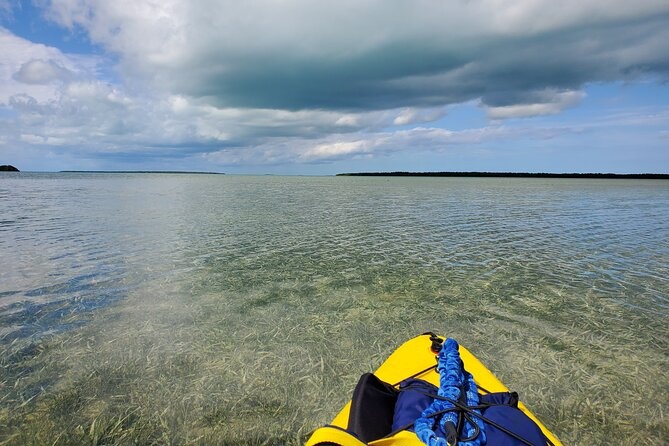
Practical walking here is uncomplicated: most terrain is flat—paved promenades, boardwalks, and municipal sidewalks dominate—but surface types change quickly, from sand to board to asphalt. That makes North Miami Beach ideal for mixed groups: families with strollers, birders with binoculars, and travelers who prefer easy halfway points and public amenities. The city’s compact scale means a day of short walks can become a curated sampler—pair a mangrove loop at a state park with a waterfront stroll, then a cultural walk through a commercial corridor for food and shopping. For people who want to expand a walking day into more varied adventure, guided kayaking around the inlet, snorkeling trips in protected bay flats, and short bike rentals along coastal corridors are natural complements. Whether you come for a focused birding itinerary, a slow coastal meditation, or an architecture-and-art neighborhood walk, the pace here is forgiving and the rewards are tactile: a breeze at your back, a close view of a heron, and a neighborhood café that feels like a local discovery.
Accessible, low‑elevation routes combine waterfront promenades, boardwalked mangrove segments, and neighborhood sidewalks—ideal for relaxed half-day walks.
Ecology is the draw: seasonal bird migrations, mangrove nurseries, and easy shore access make the area rewarding for nature-oriented walkers.
Combine walking with paddling, snorkeling in bay flats, or a short bike ride to expand the day and vary the terrain and perspective.