Why Orange City Is a Smart Base for Dolphin Experiences
There’s a particular hush before sunrise along the St. Johns and its tributaries — a mix of brackish river air, oaks dripping Spanish moss, and the occasional metallic scent of salt pushed inland by an outgoing tide. From that quiet, a spray or the flash of a dorsal fin can feel like a punctuation mark: dolphins confirming the rich, connected life of Florida’s estuaries. Orange City sits inland enough to feel removed from the constant bustle of the coast, yet close enough to tidal channels and nearshore runs where bottlenose dolphins move predictably with the tides and schools of baitfish.
What makes the area compelling is its variety of settings. On calm mornings you can launch a kayak from a narrow river park and watch dolphins work a channel where freshwater and salt mingle; on other days captains run short coastal trips that skirt the Halifax and Mosquito Lagoon fringes for pod encounters. The landscape is not one dramatic cliff or wide-open sea but a stitched geography of marsh, eelgrass, and winding creek mouths that create feeding hotspots. That complexity produces different kinds of encounters: inquisitive juveniles investigating bow wakes, hunting arcs of adults splitting schools, and casual, social groups riding the current. For thoughtful travelers, Orange City offers an approachable way to experience marine mammals without the intensity of high-traffic tourist piers.
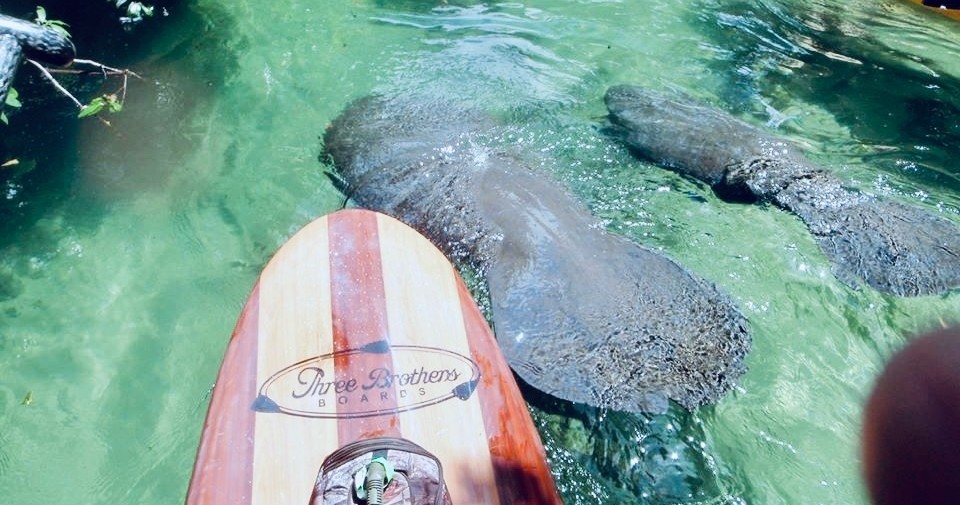
There’s also a cultural and environmental layer to these encounters. These tidal waterways have been travel corridors for generations—Indigenous peoples, colonial settlers, and commercial fishermen all read the rhythms of the river to move goods and harvest food. Today local guides, researchers, and park stewards are part of a quieter conservation network: reporting sightings, tracking pods, and advocating for seagrass and water-quality protections that support the fish populations dolphins depend on. Pairing a dolphin trip with a visit to nearby Blue Spring State Park, a birding outing, or a guided paddle gives a fuller picture of the estuary’s ecology: dolphins are the most visible sign of a healthy food chain. When you plan a trip here, you’re not only chasing the thrill of a sealess horizon and sudden arcs of spray—you’re stepping into a living watershed where tides, weather, and human stewardship determine the rhythms of wildlife viewing.
Accessible proximity: Orange City provides shorter drives to launch points and calmer river conditions compared with busier coastal marinas.
Varied encounter types: Expect everything from shore-adjacent pod sightings to small-boat or kayak approaches in estuarine channels.
Conservation context: Local guides emphasize ethical viewing—keeping distance, avoiding chases, and supporting habitat protections.
Complementary wildlife: Dolphin trips often overlap with birding hotspots and manatee-safe winter zones, creating multi-species experiences.