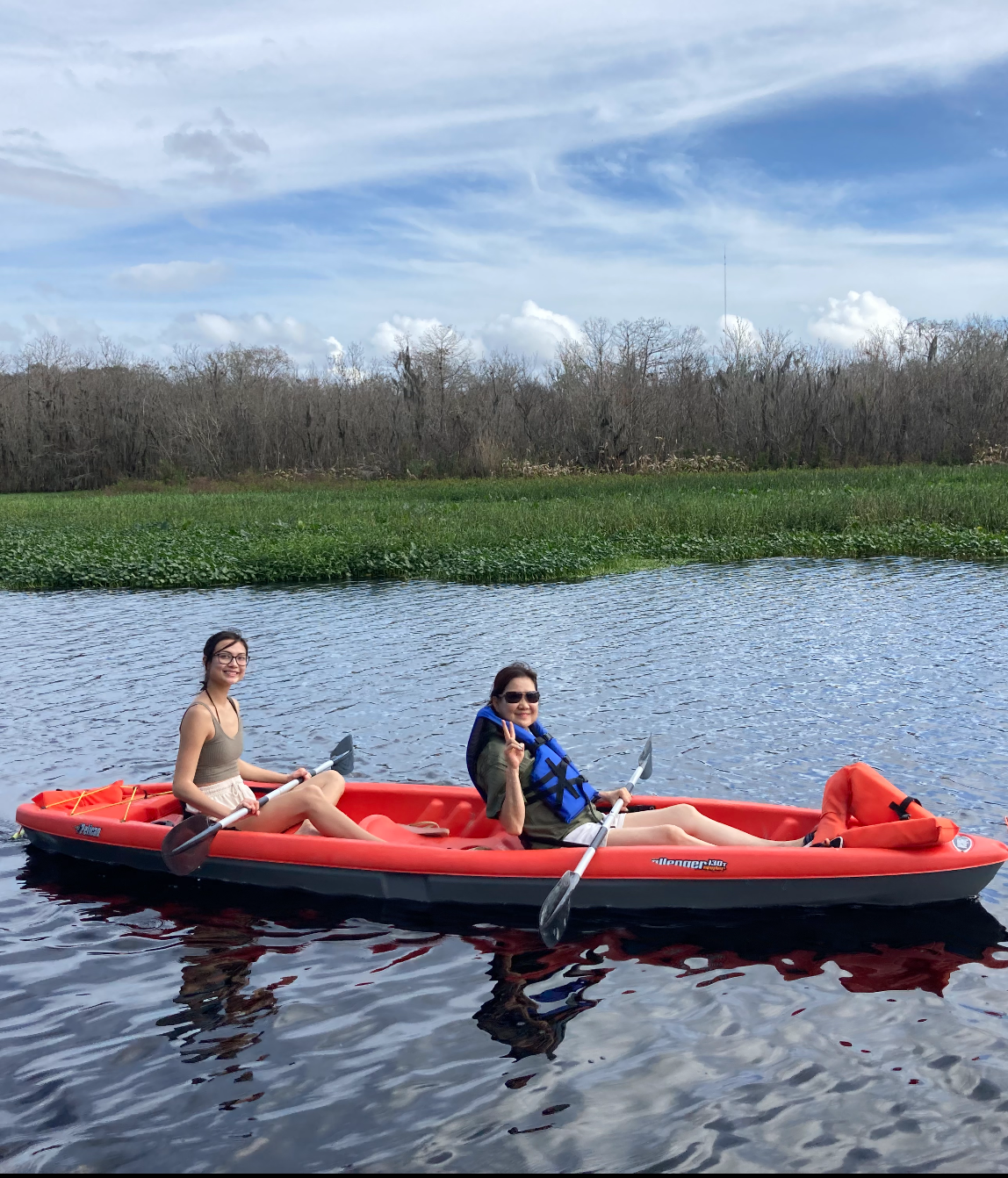
Why Ormond Beach Is a Standout Kayaking Destination
There’s a particular hush to paddling the Tomoka River at dawn: the first light strips the marsh of its heavy blues and reveals a network of braided channels that look unchanged since before roads stitched the coast. Ormond Beach is small enough to feel local and navigable, but ecologically rich enough that every short paddle can feel like its own discovery. The landscape here is a study in contrasts—sheltered estuary channels backed by mangroves and salt marshes, the broad sweep of the Intracoastal Waterway, and an Atlantic coast where surf launches and beach runs challenge paddlers in a different register. That variety is the region’s strongest asset. In a morning you can trace a quiet mangrove-lined creek watching kingfishers and herons, then move to an afternoon tide-window that lets you ride gentle surf lines back to shore.
The Tomoka River is at the heart of most Ormond kayak experiences. Tidally influenced and shallow in places, it carves through a mosaic of marsh and hammock that concentrates birdlife and invites manatees in the cooler months. Many guided trips emphasize ecology and history—storytelling about the indigenous peoples who navigated these waters, the early Spanish explorers’ routes, and the more recent conservation efforts that have kept stretches of the river remarkably intact. The Intracoastal and Halifax River corridors give paddlers long, sheltered miles to cover at a relaxed pace, and they double as a quiet alternative when sea conditions on the Atlantic are rough. Conversely, the Atlantic-facing launches reward paddlers who want surf practice, stand-up transitions, or the sensory thrill of heading into real swell—proper timing, skill, and a tow or tandem option make those outings accessible.
Accessibility is another reason paddlers keep returning. Multiple public launches, state-park boat ramps, and rental shops within a short drive make Ormond friendlier than many coastal towns. The local paddling community is pragmatic: there’s an emphasis on tide windows, current awareness, and wildlife etiquette. Seasonally, winter and early spring bring clearer water, migratory birds, and frequent manatee sightings; late spring through summer offers warm water and longer days but also afternoon thunderstorms and occasional red tide or algal-bloom advisories that require quick itinerary changes. For families and casual visitors, sheltered estuary floats are forgiving and scenic. For experienced kayakers, low-tide exploration of salt flats, longer coastal legs, and surf launches provide enough challenge to keep skills sharp. Whether you want an interpretive wildlife float, a training-focused sea-kayak session, or a glassy sunset paddle down the Intracoastal, Ormond Beach compacts the coastal Florida experience into an approachable, repeatable itinerary.
Sheltered estuaries and the Intracoastal Waterway provide beginner-friendly flats and long, calm miles for relaxed paddles.
The Tomoka River’s tidal channels concentrate wildlife—wading birds, dolphins near the mouth, and manatees in cooler months.
Atlantic launches deliver surf and swell practice when conditions and tides align—ideal for skill-building and surf re-entries.
Local outfitters and state-park access points make day trips and guided eco-tours simple to arrange.
Seasonal weather (summer thunderstorms, occasional algal events) and tidal currents are the main planning variables for paddlers.