Top 13 Stand-Up Paddleboard (SUP) Adventures in Ormond Beach, Florida
Ormond Beach SUP Guide

Top 13 Stand-Up Paddleboard (SUP) Adventures in Ormond Beach, Florida

Ormond Beach is a low-slung Florida coastline built for calm, exploratory paddling. From willow-lined tidal creeks and glassy estuaries to the open stretches of the Intracoastal, this guide focuses on SUP trips that connect paddlers to wildlife, shallow seagrass flats, and the slow, cinematic pace of coastal Florida.

Halifax River & Intracoastal WaterwayTomoka RiverTomoka State ParkOrmond Scenic LoopAtlantic Beachfront

Live destination inventory

Top SUP Trips in Ormond Beach

13 trips · Book with confidence · Instant confirmation

The prototype intentionally does not invent replacement trip cards or add images that are not already part of the live source page.

The city from the water

Why Ormond Beach Is a Stand-Up Paddleboarding Destination

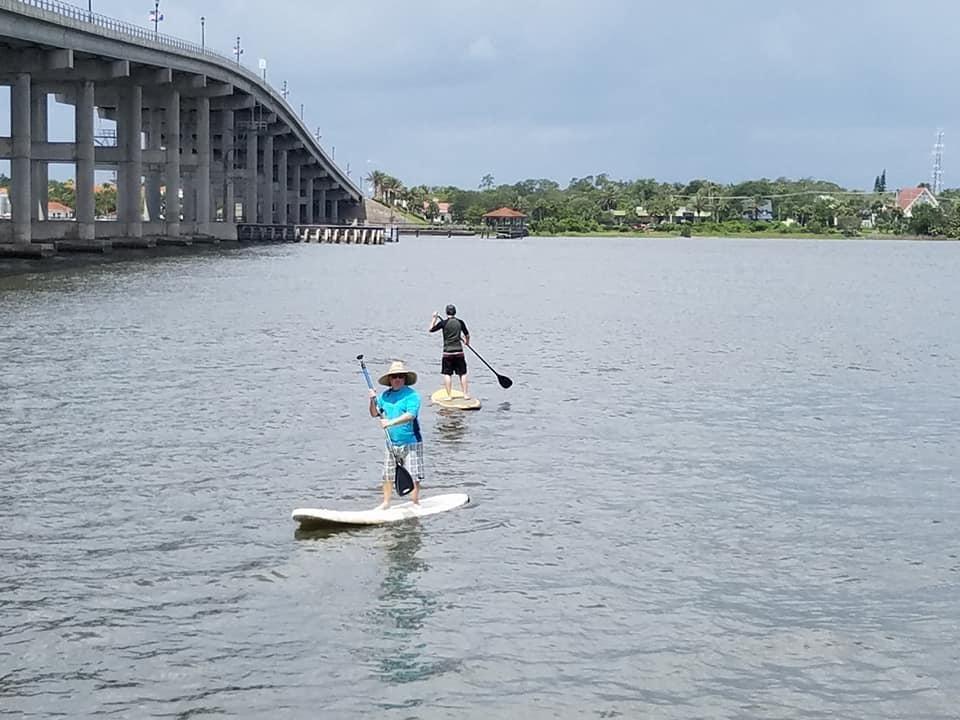
Ormond Beach is a place measured not in elevation but in water—slow-moving, sunlit, and alive with small dramas. On a SUP the experience compresses down to rhythm: the blade enter, glide, breath, repeat. The Halifax River and Tomoka River present a textbook of estuarine paddling, where tides sketch the shoreline and mangroves and salt marshes frame quiet channels. In one outing you can move from a translucent lagoon crowded with seagrass to a broad Intracoastal reach where the horizon flattens and pelicans cut the sky. This is not the adrenaline of steep mountains or the technical demands of whitewater; it is an invitation to slow observation and precise planning—reading wind angles, respecting tidal windows, and learning to feel the subtle kick of current beneath the board. Because Ormond is geographically compact, a single day can stitch together contrasting SUP moods. Morning paddles in the Tomoka Basin are almost cathedral-like: mirrored water, sleeping ospreys, and occasional, surreal encounters with manatees surfacing for air. Later, the Intracoastal presents a livelier scene—boaters, fishermen dropping lines, coastal homes with private docks where pelicans perch like sentries. The barrier island’s ocean side offers a different skill set: small, clean swell ideal for prone-to-stand transitions and playful wave riding near the shore. The shorelines themselves carry layers of local history. Sugar-white beaches, remnants of the Gilded Age resort era and the footprints of early settlers, meet Indigenous histories that predate modern maps. That cultural layering gives paddling routes a human scale; you’re tracing paths people have traveled for centuries, albeit now on a board. Practical paddlers will appreciate Ormond’s forgiving geography. Many launch points are sheltered from prevailing winds; several routes are short enough for beginners to complete in under two hours yet provide options to extend into full-day explorations. The area is also biologically generous: dolphins often play in the same channels, manatees graze in seagrass beds in cooler months, and shorebirds—plovers, herons, ibis—populate the flats. Those wildlife encounters come with responsibilities: stay clear of resting animals, avoid trampling seagrass and nests, and keep a respectful distance from calves and nursing mothers. Seasonality sharpens the SUP experience here. Spring and fall deliver temperate air, manageable winds, and high wildlife activity—ideal conditions for guided eco-tours and self-led excursions alike. Summer offers balmy water temps but also afternoon thunderstorms and higher boat traffic, which favors early starts. Winter lengthens the day’s golden light and can bring migratory birdlife but also occasional cold fronts; wear a wetshell on cool mornings. Tide charts, wind forecasts, and local launch conditions are more important here than advanced technical skills; a calm, prepared paddler will see more than one pushing hard ever could. The reward of SUP in Ormond Beach is a layered one: movement that becomes observation, a route that becomes a classroom in coastal ecology, and a shoreline that feels like a slow, personal discovery.

Intertidal dynamics: Tides dictate access to many of Ormond’s routes. Low tides reveal sandbars and seagrass flats for exploration but can leave shallow channels choked; high tides open routes through mangrove-lined creeks.

Wildlife and habitat: Expect dolphins, occasional manatees, wading birds, and healthy seagrass beds. Respect habitat—especially during shorebird and sea turtle nesting seasons (typically late spring through summer).

The harbor is the gateway, and the Pacific becomes the classroom.

Complementary activities: Pair SUP with beach runs, coastal bike rides on the Ormond Scenic Loop, surf sessions on the Atlantic side, and guided eco-kayak tours for a fuller coastal itinerary.
Activity focus

Choose by purpose

Whale watching, snorkeling, sunset sailing, cultural canoeing, harbor sightseeing, or private chartering.

Departure hubs

Start near the city

Waikiki and Honolulu Harbor are primary hubs, with some trips launching near Hanauma Bay.

Accessibility

Confirm the vessel

Gangways, shaded seating, and boarding requirements vary according to vessel size and operator.

Seasonal planning

Best Time to Visit

Ormond Beach is warm year-round, but wind, swell, migration, visibility, and demand change the best match between traveler and trip.

Ormond Beach boat tour
Year-round destination

Seasonal highlights change the reason to go

Winter favors humpback encounters; warmer, calmer months favor snorkeling visibility and smoother water.

Humpback season

Late spring and early fall—warmer, stable weather and high wildlife activity.

Prime whale watching, winter holidays, higher demand, and earlier sell-outs.

Snorkeling window

March–April–May–September–October–November

Typically gentler seas and clearer water for snorkeling trips.

Weather notes

Trade winds year-round

Spring and fall offer the most comfortable paddle temperatures and steadier winds. Summer is hot and humid with frequent afternoon thunderstorms; plan early-morning launches. Hurricane season runs June–November; monitor forecasts if traveling in late summer and early fall.

Quieter opportunities

Late spring & summer weekdays

Winter brings quieter waterways and excellent birding; water remains mild compared to northern climates, though early-morning cool fronts can require a neoprene layer.

Match the trip to your comfort

Choose Your Experience Level

Low effort

Beginner

Flat, protected water on the Halifax River or Tomoka River during slack tide. Short loops and guided lessons focus on balance and basic stroke technique.

  • Morning paddle near a municipal boat ramp with sheltered waters
  • Guided estuary tour in Tomoka State Park
  • Calm lagoon exploration and birdwatching loop
Active day trip

Intermediate

Longer estuary runs and crossings of wider Intracoastal reaches where wind and tidal flow begin to influence routing and timing.

  • Half-day paddle along the Halifax River connecting multiple inlets
  • Exploration of mangrove-lined side channels and sandbar stops
  • Coastal paddle near the inlet with route planning around tide
Longer or technical

Advanced

Open-coast downwind or surf-oriented sessions on the Atlantic side, longer distance navigation, or technical tide-dependent runs that require strong stroke endurance and effective self-rescue skills.

  • Downwind coastal run along the barrier island near Ormond Beach
  • Long-distance crossing to neighboring inlets timed with tide
  • Surf-boosted SUP sessions on Atlantic beach breaks

Prepare for sun, spray, and swell

What to Bring

Essential

Core kit

  • U.S. Coast Guard–approved PFD (wear or have it readily accessible)
  • SUP leash appropriate to board type
  • Waterproof phone case and whistle
  • Hydration and sun protection (sunscreen, hat, sunglasses)
  • Small drybag for keys, snacks, and personal items
Recommended

Useful extras

  • Pump and repair kit for inflatable boards (if bringing your own)
  • Comfortable water shoes or reef sandals
  • Light windbreaker or neoprene top for cooler mornings
  • Tide and wind app or printed tide chart
  • Map of local waterways or route notes from an outfitter
Optional

Trip-specific

  • GoPro or compact camera with float tether
  • Lightweight binoculars for birding
  • Compact first-aid kit and blister care
  • Night paddle lights for guided sunset or moonlight trips
Check tide and wind charts, respect wildlife, and plan for shoreline parking or launch fees.

Insider Tips & Local Knowledge

Reserve whale-watching and popular sunset cruises well ahead during December–April.
Choose morning snorkeling departures for calmer seas and better underwater visibility.
For motion sensitivity, choose a larger vessel, sit mid-ship, and take preventative medication before boarding.
Do not touch coral or wildlife, avoid standing on reefs, and use reef-safe sunscreen.
Community-based operators may add context about traditional navigation and stewardship.
Arrive early for parking and check-in because Waikiki departure areas can be busy.

Planning questions

Frequently Asked Questions

Most public launch sites do not require a special permit to paddle, though some parks may charge parking or day-use fees. Confirm local launch rules before you go.
Top 13 Stand-Up Paddleboard (SUP) Adventures in Ormond Beach, Florida
Ready for your sup adventure?

Browse 13 verified trips in Ormond Beach.

Compare current availability and book with instant confirmation.

Explore Ormond Beach sup