Water Activities in Osprey, Florida

Read the destination guide ↓
Popular Activities
More activities
0 adventures loaded
Water Activities in Osprey, Florida
Osprey Water Activities Guide

Water Activities in Osprey, Florida

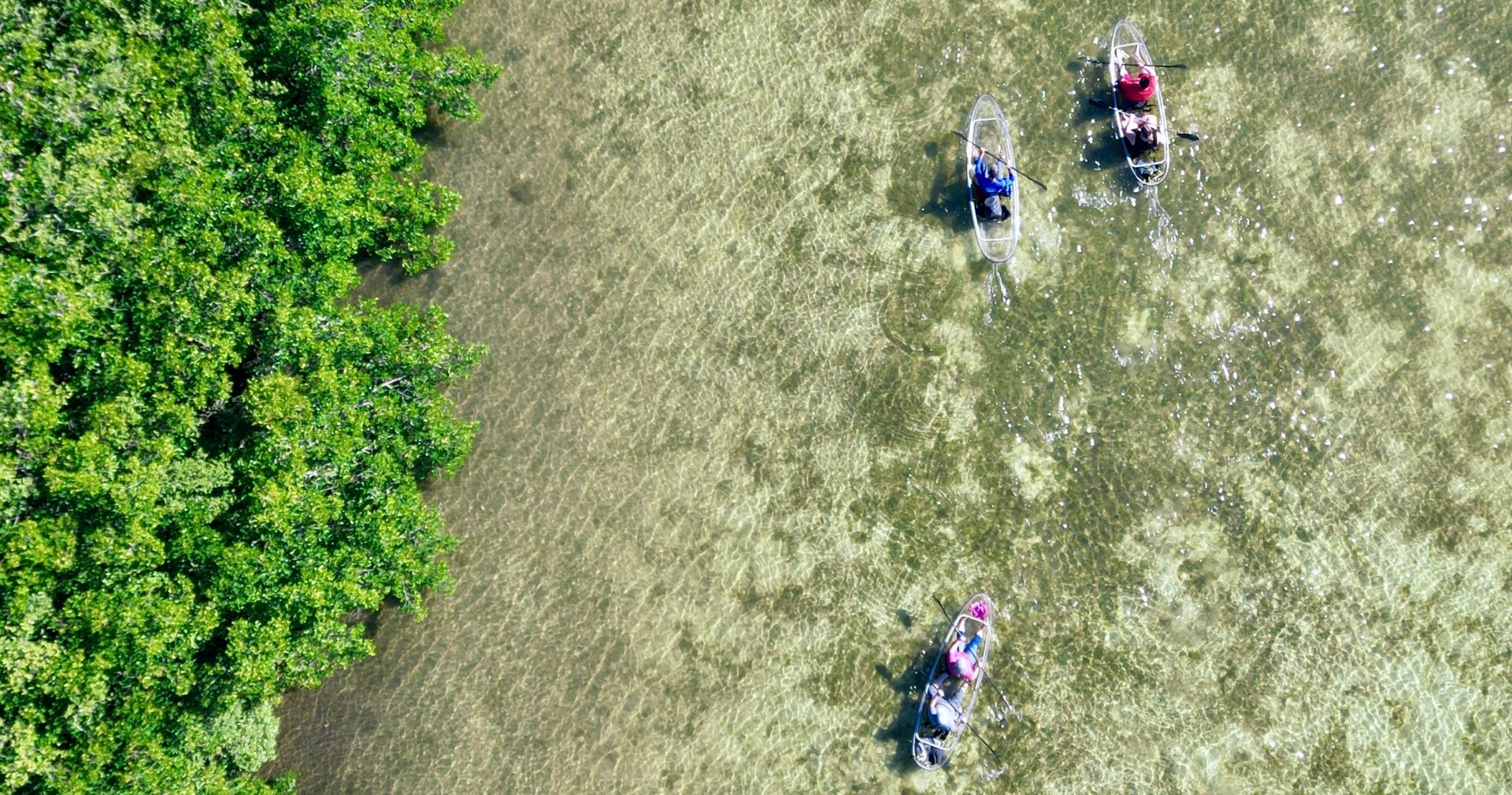
Tucked between the broad sweep of the Gulf and the winding green corridors of the Intracoastal and Myakka, Osprey is a small-town gateway to big-water adventures. Here, days are measured in tides and salt, from flatwater paddles through mangrove tunnels to offshore casts and shallow reef snorkeling. This guide focuses on water activities—stand-up paddleboarding, kayaking, guided eco-tours, inshore fishing, boating, and snorkeling—distilling the practical landscape of access, seasonality, and what to bring so you can move from curious to confident on the water. With 228 matching trips available in the region, Osprey offers both placid learning bays for beginners and long, navigable routes for seasoned paddlers seeking birds, manatees, and Gulf sunsets.

Gulf of MexicoIntracoastal WaterwayMyakka River State ParkOscar Scherer State Park
By Robert Eric CrewsFounder & Editor, The Adventure Collective

Water Activities in Osprey

Why Osprey Is a Water-Activities Destination

The water around Osprey reads like a layered map of coastal Florida: a nearshore mosaic of seagrass flats and oyster bars, a fringe of mangrove-lined creeks, and the broad, open Gulf beyond. On the scale of travel experience, few places deliver such immediate contrasts. At dawn the intracoastal feels like a glassy mirror—perfect for a beginner’s stand-up paddle session—while later, when the breeze arrives, small-craft sailors and kayakers find steady winds that make for satisfying, manageable traverses. Wildlife is never an afterthought here. Wading shorebirds quarter the tidal edges, dolphins thread the sandbars offshore, and manatees slip into spring-fed creeks on cooler days. That proximity to living ecosystems shapes how locals and visitors approach the water: quietly and with an eye for conservation.

Practically speaking, Osprey’s appeal is its accessibility. Launch points and calm coves sit a short drive from town, making half-day and full-day paddles equally doable without expensive charters or long commutes. For families and mixed-ability groups, sheltered flats offer low-stress environments to learn boarding, steering, and basic safety with visible landmarks and shallow water that’s forgiving of mistakes. For paddlers who want a bit more bite, the Intracoastal and Myakka River provide longer mileage and the chance to plan point-to-point routes with scenic put-ins and outs. Offshore, anglers and snorkelers can book short runs to shallow reefs or explore the edge of the continental shelf; the Gulf’s clarity fluctuates with season and weather, but when it’s right the visibility makes snorkeling worth the early wake-up.

There is also a cultural rhythm to Osprey’s water season. Winters and early springs are busy with migratory birds and mild conditions, drawing anglers and birders from around the region. Summers bring warm water and afternoon thermals that favor late-day boating and evening paddles timed for dramatic sunsets. Hurricane season—late summer into fall—requires flexible plans and attention to forecasts, but it also creates windows of quieter trails and lower weekend visitation when safe to go. Whether you’re chasing wildlife photography, quiet exploration, or a productive inshore bite, Osprey’s water scene presents a menu of approachable, interconnected experiences that reward curiosity and respectful practice.

The variety of micro-environments—mangroves, tidal flats, seagrass beds, and open Gulf—supports a broad mix of activities: SUP, flatwater kayaking, guided eco-tours, inshore fishing, shallow reef snorkeling, and small-boat cruising.

Wildlife viewing is a central draw: migratory shorebirds in winter and spring, resident wading birds year-round, seasonal manatee sightings in spring-fed tributaries, and regular dolphin encounters offshore.

Accessibility and infrastructure favor day trips: short drives to launch points, plentiful calm water for beginners, and a healthy selection of guided experiences for those who want local context from naturalists or captains.
Seasonal planning

Best Time to Visit

Seasonal conditions and travel timing in Osprey.

Osprey Water Activities
Seasonal planning

Osprey throughout the year

Osprey has a subtropical climate: warm winters, hot and humid summers, and a distinct hurricane season from June through November. Spring and fall balance comfortable air temperatures, manageable humidity, and good water clarity. Summer offers the warmest water but also daily afternoon storms. Always check marine forecasts and local water-quality advisories (e.g., red tide reports) before heading out.

Peak season

December–April sees the highest visitation for boating, birding, and mild-weather paddles.

Popular travel period with peak availability and booking demand.

Best months

March–April–May–October–November

Optimal seasonal conditions for outdoor trips.

Weather notes

Osprey has a subtropical climate: warm winters, hot and humid summers, and a distinct hurricane season from June through November. Spring and fall balance comfortable air temperatures, manageable humidity, and good water clarity. Summer offers the warmest water but also daily afternoon storms. Always check marine forecasts and local water-quality advisories (e.g., red tide reports) before heading out.

Off-peak opportunities

Summer provides warm-water snorkeling and lower off-peak crowds for early-morning launches; late-summer shoulder windows can offer solitude but require flexible scheduling around tropical weather.

Match the trip to your comfort

Choose Your Experience Level

Low effort

Beginner

Calm, shallow flats and sheltered mangrove creeks with short, navigable loops—ideal for first-time paddlers, families, or anyone seeking low-stress water time.

  • Short guided SUP lesson on protected intracoastal flats
  • Introductory kayak loop in a mangrove-lined creek
  • Family-friendly shoreline snorkeling at low wind
Active trip

Intermediate

Longer point-to-point paddles, inshore boating, and guided eco-tours that require basic navigation skills, awareness of tides, and sustained paddling.

  • Day paddle along the Intracoastal with tidal planning
  • Inshore reef snorkel trip at moderate chop
  • Half-day inshore fishing with a focus on seagrass flats
Technical or extended

Advanced

Open-water crossings, longer multi-mile Gulf paddles, or sport fishing and boating that demand strong weather knowledge, reliable gear, and experience handling changing conditions.

  • Offshore paddles or crossings during favorable conditions
  • Full-day sport-fishing trips targeting deeper inshore or nearshore structure
  • Self-supported coastal traverses requiring route planning and tide management

Prepare for your excursion

What to Bring

Essential

Core kit

  • USCG-approved life jacket (personal flotation device)
  • Reef-safe sunscreen and a sun hat
  • Dry bag for phone, keys, and spare layers
  • Water shoes or secure sandals for rocky or oyster-strewn shorelines
  • Hydration and salty snacks
Recommended

Useful extras

  • Light, quick-dry clothing and a long-sleeve sun shirt
  • A spare leash for SUP or spare paddle
  • Waterproof phone case and a small binocular for birding
  • Basic first-aid kit and a whistle for signaling
Optional

Trip-specific

  • Snorkel mask and reef-friendly fins
  • Light fishing gear and required state license if you plan to fish
  • Camera with waterproof housing
  • Portable hand pump for inflatable boards or kayaks
Check marine forecasts, local water-quality advisories (including red tide), and tide tables before you go.

Insider Tips & Local Knowledge

Launch early to avoid midday winds and to find calmer water and cooler temperatures. Respect seagrass beds and mangrove roots—these habitats are fragile and essential to juvenile fish and bird life. When sharing the water with wildlife, slow down and give animals wide berth; on boat trips, assign a spotter to watch for manatees and swimmers. If you’re renting gear or booking a guided trip, ask about safety briefings, cancellation policies around tropical weather, and whether guides carry communication devices and basic medical kits. For anglers, limit-release practices and quick handling protect fish populations; shellfish and oyster beds are easy to damage—stick to marked channels and established launch areas. Finally, plan flexible logistics during hurricane season and have an alternate inland plan if conditions change.

Planning questions

Frequently Asked Questions

A Florida saltwater or freshwater fishing license is generally required for recreational fishing—check Florida Fish and Wildlife regulations for current rules. Operators provide required safety equipment for guided trips; for private boating, U.S. Coast Guard regulations apply.
Water Activities in Osprey, Florida
Ready for your water activities adventure?

Browse trips in Osprey.

Compare current availability and book with instant confirmation.

Explore Osprey water activities →