Why Oviedo Is a Practical Base for Dolphin Encounters
Oviedo is the kind of place that doesn’t scream ‘marine wildlife hub’ from its downtown. Its charm is suburban, shaded streets and lakeside parks. But that quiet inland footprint is deceptive: the city is within a comfortable drive of several of Central Florida’s rich estuarine systems—the Indian River Lagoon, Mosquito Lagoon, and the broader Banana River Complex—that concentrate forage and create predictable dolphin habitat. For travelers based in Oviedo, dolphin trips become a study in contrasts: morning coffee in a tree-lined neighborhood, then a short drive to marshy creeks, launch ramps, and coastal waterways where slick-backed bottlenose dolphins work the shallows.
The experience of dolphin watching here is less about dramatic ocean swells and more about intimate, coastal ecology. Bottlenose dolphins in these waters exploit tidal edges, channels, and seagrass flats; their movements are tied to schooling fish, mullet runs, and seasonal migrations of baitfish. This means sightings often reward attention to tides, low-light hours when fish concentrate, and guides who read local conditions. For photographers and curious travelers, estuarine encounters offer close, slow-paced encounters—pods that surface repeatedly, juveniles riding bow waves, and the occasional synchronized feeding behavior in narrow channels.
Beyond the animals themselves, Oviedo’s location lets visitors layer experiences for a richer outdoor day: pair a dawn dolphin cruise from Titusville or New Smyrna Beach with a midday visit to Merritt Island National Wildlife Refuge for birding and a late-afternoon paddle through mangrove tunnels. The area also carries a conservation story. The Indian River Lagoon is one of North America’s most biodiverse estuaries and has faced water-quality challenges; responsible viewing and supporting local stewardship organizations are part of an ethical visit. Practical benefits of basing in Oviedo include easier lodging options, quieter roads outside peak tourist corridors, and access to both public launch sites and guided operators who run small boats, kayaks, and eco-tours designed to minimize disturbance.
Planning-wise, expect variability: tidal schedules, weather, and seasonal shifts in forage will influence where dolphins concentrate. Use guided trips for the best odds and local interpretation, and favor operators who emphasize distance, no-touch policies, and wildlife-friendly approaches. Whether you’re a family looking for a gentle wildlife cruise or a seasoned kayaker chasing a close—yet respectful—encounter, the waterways reachable from Oviedo deliver consistent opportunities to observe dolphins in a living coastal landscape.
Accessible proximity: Oviedo’s inland location is a short drive from multiple estuaries where dolphin sightings are common, making same-day morning or half-day trips practical.
Ecology matters: Sightings are tied to tides, baitfish, and seagrass habitat; guided operators and local launch sites provide the best odds and interpretive context.
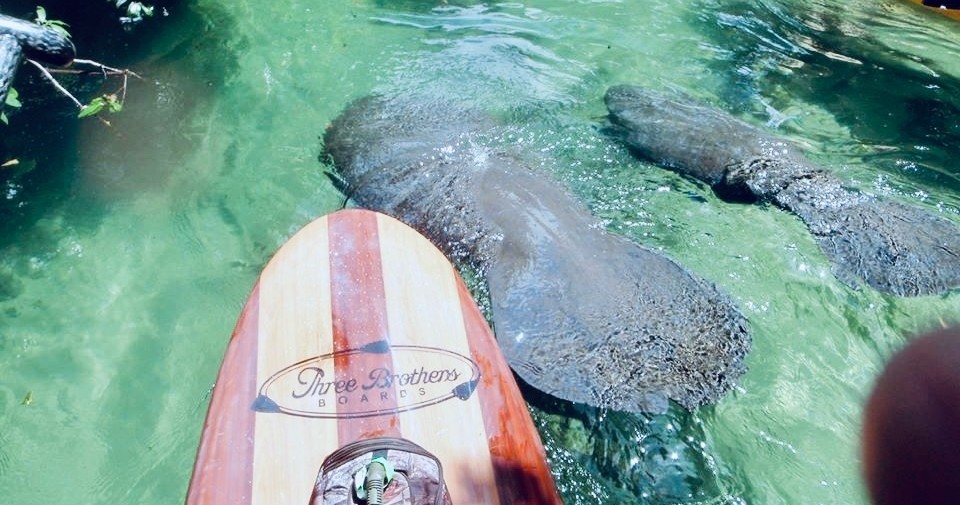
Complementary activities: Combine dolphin tours with birding, manatee viewing, beach time at Canaveral, or paddle sessions through mangrove creeks for a full-day nature itinerary.