Why Oviedo Works for Kayakers
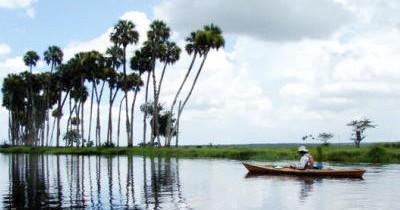
Oviedo's paddling character is slow and attentive — not the whitewater theatrics of mountain rivers, but a subtler, more intimate rhythm that rewards patient observation. Here, water moves through the landscape like a lens: it magnifies seasonal migrations, refracts scraggly oaks and bald cypress into mirror images, and exposes a world of voices — wading birds clattering in the reeds, the rasp of an alligator through river grass, the frog chorus after a thunderstorm. Early in the day the paddler becomes an invisible witness; mist lingers above glassy lakes, and sunlight slices through the canopy in bars that reveal the outline of turtles, submerged logs, and shoals of small fish. These are the conditions that turn a trip into an experience: not simply a cardio workout, but a slow, sensory immersion in an ecosystem.
Practically speaking, Oviedo sits at a crossroads of freshwater habitats that are rare to find in such close proximity. Broad lentic systems like Lake Jesup contrast with the narrow, meandering channels of the Econlockhatchee River and the protected, braided waterways within Little Big Econ State Forest. That variety makes the town a useful base for paddlers with different appetites: novices can find forgiving, sheltered flats for confident strokes and easy wildlife viewing; intermediate paddlers can seek out snaking river corridors that demand careful boat control and situational awareness; advanced paddlers can link paddling objectives with hiking and primitive camping in nearby public lands for multi-modal outings. The region also works well as a quick escape from Orlando’s bustle: it's easy to pull on a PFD, toss a dry bag into a yak well, and be on the water within a short drive.
Environmental rhythm and access patterns matter here. Summer brings warmth, mosquitoes, and frequent afternoon thunderstorms — the water chemistry shifts with rains, and certain shallow flats can become choked with emergent vegetation. Fall through spring often offers the most comfortable paddling temperatures, better visibility in tannic water, and more activity from migrating birds. Local paddling is also an exercise in low-impact recreation: many access points are small, and popular put-ins can be sensitive to erosion and parking pressure. The best trips are the ones planned with consideration for wildlife seasons, tidal or flow changes (where relevant), and simple stewardship: pack out what you bring, avoid disturbing nesting or basking animals, and choose launches that minimize vegetation trampling. This combination of calm water, concentrated biodiversity, and easy accessibility makes Oviedo a place to slow your stroke and sharpen your senses.
A mosaic of lakes, spring-fed creeks, and forested river corridors within a short drive of town gives paddlers options for quiet wildlife outings or longer exploratory runs.
Seasonality influences accessibility and comfort more than outright safety risks—summer storms and mosquitoes shape experience; late fall through spring yields the most comfortable paddling conditions.
Many routes favor low-impact, day-use paddling; linking paddling with nearby hiking or birding spots creates a fuller outdoor day.