Top 10 Climbing Adventures in Oxford, Maine
Oxford Climbing Guide

Top 10 Climbing Adventures in Oxford, Maine

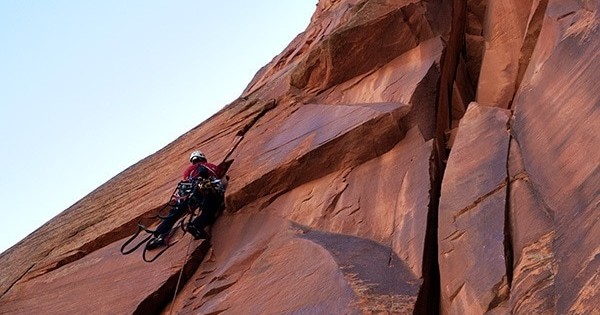
Oxford's climbing scene is a compact, seasonal collage: low-angle slab and compact cliff bands for rock climbers, pocketed granite for trad and sport routes, and a winter sculpted by freeze-thaw cycles that creates climbable ice on gullies and falls. It’s not a megalithic cragging destination, but the region rewards those who like variable terrain, close-to-road approaches, and a real New England climbing ethos—local knowledge, changing conditions, and a clear sense of seasons.

Western Maine HighlandsAndroscoggin ValleySeasonal Ice & Rock

Live destination inventory

Top Climbing Trips in Oxford

10 trips · Book with confidence · Instant confirmation

The prototype intentionally does not invent replacement trip cards or add images that are not already part of the live source page.

The city from the water

Why Oxford, Maine Matters to Climbers

The climbing identity of Oxford is quieter and more intimate than famous cliff towns, and that’s precisely its appeal. Here the rock isn’t endless; it’s a series of modest crags tucked into river valleys and upland ridges where routes feel hand-built by seasons and local climbers. The geology is characteristically New England—slabby granite and gneiss with friction-dependent faces, short pitches that demand technique and attention rather than brute endurance, and a handful of pockets and cracks that tempt trad climbers to refine their placement and footwork. Beyond the rock itself, climbing in Oxford is a study in seasonal adaptation. Spring and early summer unlock clean, grippy faces after long winters; mid-summer brings warm days and quick thunderstorms that can drench routes and postpone plans; fall offers the most stable weather and a backdrop of color that makes crag sessions feel cinematic. When temperatures drop and streams freeze, the landscape reshapes—ice forms in sheltered gullies and near waterfalls, opening up short, steep ice lines that reward prepared climbers with sharp protection and crisp, cold objectives. These transitions mean a single trip to Oxford can include top-roping on a morning slab, a boulder circuit at midday, and—if you’re here in season—ice practice before the sun sets. Crucially, Oxford’s climbing is also social and local. Expect to meet weekend trad parties, solo sport climbers warming up between routes, and farmers or anglers at the nearby river who know the access patterns. Routes are often approachable with short walks from roadside pullouts, which makes this a practical destination for climbers traveling with non-climbing partners or for multi-activity trips that combine climbing with paddling, trail running, or fall foliage drives. But with easy access comes responsibility: many crags sit on or adjacent to private timberland and working forest; respecting closures, staying on established approaches, and practicing Leave No Trace are part of visiting safely and keeping access open. For travelers seeking variety without long approaches, Oxford is a compelling New England stop: technical single-pitch climbs, concentrated bouldering, seasonal ice lines, and a proximity to regional outdoor experiences. Pair a climbing-focused weekend with a river paddle on the Androscoggin, a hike in nearby state lands, or a local meal in town. This is climbing for those who appreciate nuance—the feel of friction-dependent footwork, the quick logic of short routes, and the rhythmic change of Maine’s seasons.

Oxford’s routes tend to be short and technical rather than sustained multi-pitch walls; this makes the area suitable for half-day sessions and for combining climbing with other outdoor activities.

Land access can be a patchwork; some crags are on public parcels while others sit on historically used working lands. Local climbing groups often maintain access agreements—check current access notes before heading out.

The harbor is the gateway, and the Pacific becomes the classroom.

The seasonality here is decisive: spring and fall are prime for rock; summer afternoons bring storms; winter opens opportunities for ice climbing and mixed skills but requires cold-weather experience and tools.
Activity focus

Choose by purpose

Whale watching, snorkeling, sunset sailing, cultural canoeing, harbor sightseeing, or private chartering.

Departure hubs

Start near the city

Waikiki and Honolulu Harbor are primary hubs, with some trips launching near Hanauma Bay.

Accessibility

Confirm the vessel

Gangways, shaded seating, and boarding requirements vary according to vessel size and operator.

Seasonal planning

Best Time to Visit

Oxford is warm year-round, but wind, swell, migration, visibility, and demand change the best match between traveler and trip.

Oxford boat tour
Year-round destination

Seasonal highlights change the reason to go

Winter favors humpback encounters; warmer, calmer months favor snorkeling visibility and smoother water.

Humpback season

Late spring and early fall—weekends see the most local traffic, especially in leaf-peeping season.

Prime whale watching, winter holidays, higher demand, and earlier sell-outs.

Snorkeling window

May–June–September–October–February–March

Typically gentler seas and clearer water for snorkeling trips.

Weather notes

Trade winds year-round

Late spring and early fall typically offer the most stable rock-climbing weather—cool mornings with minimal precipitation. Summer provides warm conditions but afternoon storms can be frequent. Winter transforms some gullies into ice climbs; expect cold temperatures, freeze-thaw cycles, and variable ice quality.

Quieter opportunities

Late spring & summer weekdays

Winter ice climbing and skills practice in frozen gullies. Shoulder seasons can yield low crowds and crisp weather; check access and landowner notices.

Match the trip to your comfort

Choose Your Experience Level

Low effort

Beginner

Introductory climbs in Oxford favor short top-ropes and low-angle slabs that teach footwork and balance. Bouldering circuits provide fall-friendly practice areas with easy walkouts.

  • Top-rope slab session on low-angle granite
  • Guided introduction to trad rack placement and anchors
  • Bouldering session with a certified spotter
Active day trip

Intermediate

Climbers with lead experience will find single-pitch sport and trad lines that emphasize technique and route-reading—ideal for refining leads and building a small trad rack.

  • Lead multiple short single-pitch sport routes
  • Mixed boulder-and-crag session focusing on footwork
  • Teach-and-practice trad skills with a mentor
Longer or technical

Advanced

Advanced objectives include technical thin cracks, delicate slab leads, and winter ice lines that require precise tool work. Expect short, technically demanding routes rather than sustained alpine walls.

  • Advanced slab leads requiring precise smearing and balance
  • Short, steep ice or mixed pitches during winter
  • Technical crack climbs demanding advanced protection placement

Prepare for sun, spray, and swell

What to Bring

Essential

Core kit

  • Climbing shoes suited to slab and technical footwork
  • Helmet (recommended for all climbers)
  • Harness, belay device, locking carabiner
  • Single 60–70m rope for longer approaches or variable pitch lengths (if multipitch options exist nearby)
  • Guidebook or printed access notes (offline)
  • Water and layered clothing for quick weather shifts
Recommended

Useful extras

  • Quickdraws and a modest trad rack if exploring cracks (cam sizes varied)
  • Crash pad and spotter for bouldering
  • Dry bag or pack cover for approaching river-side crags
  • Sticky rubber or directional shoes for slab friction
  • Small first-aid kit and basic repair kit (cord, duct tape)
Optional

Trip-specific

  • Ice tools, screws, and winter crampons for ice season
  • Trekking poles for slippery, muddy approaches in spring/fall
  • Headlamp for late-afternoon sessions
  • Camera with a wide lens for capturing crag vistas
Access, weather, and seasonal conditions change—verify current local access notes, closures, and ice reports before you go.

Local Beta & Practical Tips

Reserve whale-watching and popular sunset cruises well ahead during December–April.
Choose morning snorkeling departures for calmer seas and better underwater visibility.
For motion sensitivity, choose a larger vessel, sit mid-ship, and take preventative medication before boarding.
Do not touch coral or wildlife, avoid standing on reefs, and use reef-safe sunscreen.
Community-based operators may add context about traditional navigation and stewardship.
Arrive early for parking and check-in because Waikiki departure areas can be busy.

Planning questions

Frequently Asked Questions

Most climbing areas are accessed via roadside pullouts and state lands that don’t require permits. However, access varies—some crags are adjacent to private timberlands. Always check current access notes or local climbing resources for any restrictions.
Top 10 Climbing Adventures in Oxford, Maine
Ready for your climbing adventure?

Browse 10 verified trips in Oxford.

Compare current availability and book with instant confirmation.

Explore Oxford climbing