Top Dolphin Experiences in Panama City Beach, Florida
Panama City Beach Dolphin Guide

Top Dolphin Experiences in Panama City Beach, Florida

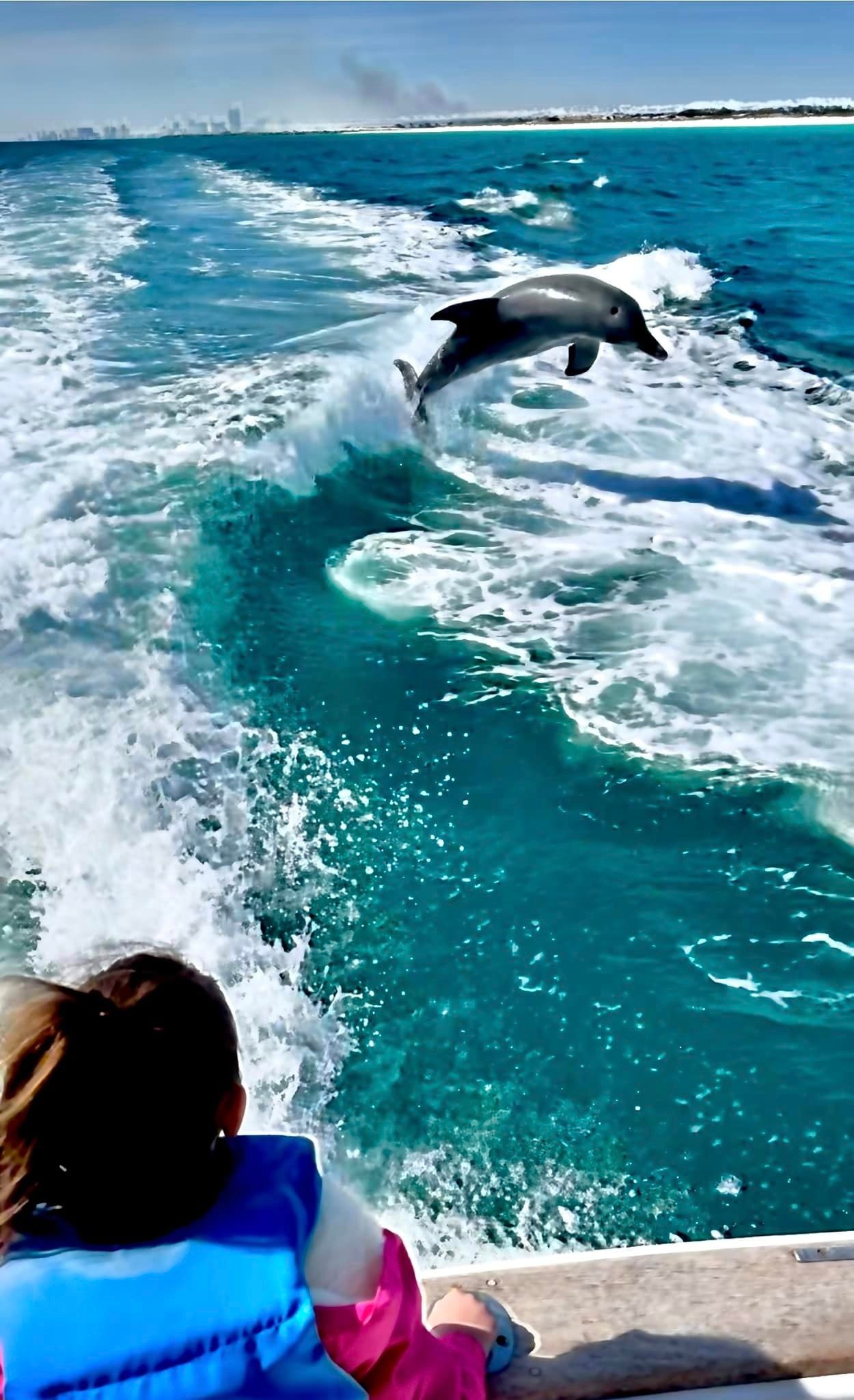
From wide, sunlit sandbars to shallow seagrass flats, Panama City Beach is where quick, joyful dolphin encounters become the highlight of a Gulf itinerary. Whether you prefer a family-friendly cruise, a low-impact kayak glide, or a photography-focused charter, the area’s resident and transient Atlantic bottlenose dolphins provide reliable wildlife theater close to shore.

Gulf of MexicoShell IslandCoastal Sandbars

Live destination inventory

Top Dolphin Trips in Panama City Beach

24 trips · Book with confidence · Instant confirmation

The prototype intentionally does not invent replacement trip cards or add images that are not already part of the live source page.

The city from the water

Why Panama City Beach Is a Standout Spot for Dolphin Watching

The pull of Panama City Beach is immediate: translucent, warm Gulf water, broad beaches that drift into shallow flats, and a coastline shaped by long, low sandbars and seagrass meadows. For dolphin lovers this is an ideal stage—animals that often forage, socialize, and calf close to shore where boats, kayaks, and paddleboards can get a respectful view without long ocean crossings. Sightings here are shaped by food, tides, and human patterns. Schools of baitfish sweeping along the surfline draw dolphins in to feed; the same seagrass beds that support juvenile fish and crustaceans underpin the local food web. The result is a coastline that feels intimate and accessible: you don’t necessarily need a long, expensive charter to experience a morning of porpoising backs and arcing leaps. Beyond the convenience, there’s variety. Panama City Beach supports both resident dolphin groups that patrol familiar shallow-water routes and transient animals that pass through with seasonal bait movements. That mix means encounters can feel different day-to-day—sometimes a quiet group winding through a lagoon, other times a dramatic feed line tearing through a bait ball. Operators and naturalists here have learned those rhythms; many tours combine wildlife interpretation with local ecology, turning a chance sighting into a richer narrative about coastal conservation and the interdependence of fish, birds, and dolphins. The activity also pairs naturally with complementary coastal adventures. Shell Island excursions and sandbar stops telescope the dolphin experience into a broader day: swim, snorkel, and comb for shells between sightings. Kayak and paddleboard trips translate dolphin watching into a slow‑motion, low-impact practice that leaves a lighter footprint and often brings visitors closer to subtle behaviors—nose-to-nose curiosity, juvenile play, and quiet travel along a channel. For photographers, the late-afternoon light across the Gulf’s low tide flats can produce crisp, cinematic frames; for families, the gentle bow-riding seen from larger, stable boats offers safe, memorable views. Yet Panama City Beach is not just a backdrop for spectacle; it’s an invitation to thoughtful travel. Coastal development, seasonal tourism surges, and occasional algal events (which can affect wildlife distribution) all influence what you’ll see—and underscore the importance of choosing responsible operators. Ethical viewing practices, local regulations that discourage crowding, and guides who prioritize animal welfare keep this destination sustainable. For travelers who want to blend ease with ethics, Panama City Beach offers a rare combination: dependable encounters close to shore, a palette of ways to experience them, and a coastline worth protecting.

Shallow Gulf waters and barrier-island sandbars concentrate marine life, making dolphin sightings frequent and accessible.

Operators range from large family cruises to small eco-kayak tours—pick based on the intimacy of experience you want.

The harbor is the gateway, and the Pacific becomes the classroom.

Combine dolphin trips with snorkeling, shelling, or birding to make the most of a half-day on the water.

Respectful viewing practices and choosing licensed guides help protect local dolphin populations and their habitat.
Activity focus

Choose by purpose

Whale watching, snorkeling, sunset sailing, cultural canoeing, harbor sightseeing, or private chartering.

Departure hubs

Start near the city

Waikiki and Honolulu Harbor are primary hubs, with some trips launching near Hanauma Bay.

Accessibility

Confirm the vessel

Gangways, shaded seating, and boarding requirements vary according to vessel size and operator.

Seasonal planning

Best Time to Visit

Panama City Beach is warm year-round, but wind, swell, migration, visibility, and demand change the best match between traveler and trip.

Panama City Beach boat tour
Year-round destination

Seasonal highlights change the reason to go

Winter favors humpback encounters; warmer, calmer months favor snorkeling visibility and smoother water.

Humpback season

June–August (holiday crowds and the highest frequency of boat-based tours).

Prime whale watching, winter holidays, higher demand, and earlier sell-outs.

Snorkeling window

April–May–June–July–August–September

Typically gentler seas and clearer water for snorkeling trips.

Weather notes

Trade winds year-round

Warm Gulf waters from spring through early fall encourage active dolphin foraging close to shore; summer brings afternoon thunderstorms and higher winds, while winter tends to be calmer and quieter. Occasional algal blooms or water-quality events can shift wildlife patterns.

Quieter opportunities

Late spring & summer weekdays

Late fall and winter offer fewer crowds, lower prices, and sometimes surprisingly calm seas—good for photographers and travelers seeking solitude.

Match the trip to your comfort

Choose Your Experience Level

Low effort

Beginner

Short, guided dolphin cruises from larger boats—ideal for families and first-time wildlife watchers.

  • One-hour dolphin sightseeing cruise
  • Sandbar stop with dolphin viewing from shore
  • Beachfront wildlife narration tour
Active day trip

Intermediate

Small-boat eco tours, guided kayak trips, and photography-focused outings that require a moderate comfort on the water.

  • Guided kayak dolphin tour in shallow flats
  • Half-day eco-boat with snorkeling stop
  • Sunset dolphin and birding cruise
Longer or technical

Advanced

Private charters, wildlife photography trips, or paddleboard excursions that demand stronger paddling skills, sea sense, or specialized gear.

  • Private wildlife photography charter
  • Stand-up paddleboard tour to remote sandbars
  • Research-participation or citizen-science dolphin surveys

Prepare for sun, spray, and swell

What to Bring

Essential

Core kit

  • Sunscreen and sun hat (strong coastal sun reflection)
  • Reef-safe sunscreen to protect marine environments
  • Hydration and light snacks
  • Motion‑sickness medicine if you are prone to seasickness
  • Waterproof phone case or camera
Recommended

Useful extras

  • Binoculars for scanning ahead and spotting distant blows
  • Light windbreaker for morning or breezy afternoons
  • A reusable water bottle and small trash bag for responsible waste
  • Polarized sunglasses for better surface visibility
Optional

Trip-specific

  • Underwater camera or GoPro for snorkeling segments
  • Light wetsuit or swim top if planning to swim off sandbars
  • Compact field guide for local shorebirds and marine life
Choose operators that emphasize animal welfare and follow NOAA viewing guidelines; avoid tours that encourage close contact with wild dolphins.

Insider Tips & Local Knowledge

Reserve whale-watching and popular sunset cruises well ahead during December–April.
Choose morning snorkeling departures for calmer seas and better underwater visibility.
For motion sensitivity, choose a larger vessel, sit mid-ship, and take preventative medication before boarding.
Do not touch coral or wildlife, avoid standing on reefs, and use reef-safe sunscreen.
Community-based operators may add context about traditional navigation and stewardship.
Arrive early for parking and check-in because Waikiki departure areas can be busy.

Planning questions

Frequently Asked Questions

No. Federal and state guidelines prohibit harassing marine mammals; swimming toward or chasing wild dolphins is unsafe for both animals and people. Controlled swim-with-dolphin programs are separate and happen at licensed facilities outside of wild encounter protocols.
Top Dolphin Experiences in Panama City Beach, Florida
Ready for your dolphin adventure?

Browse 24 verified trips in Panama City Beach.

Compare current availability and book with instant confirmation.

Explore Panama City Beach dolphin