Best Snorkeling Adventures in Panama City Beach, Florida
Panama City Beach Snorkel Guide

Best Snorkeling Adventures in Panama City Beach, Florida

Emerald-green surf, wide shallow flats, and a surprisingly rich nearshore world make Panama City Beach a friendly, accessible snorkeling destination. From sheltered seagrass beds to scattered artificial reefs and wrecks, the area delivers easy swim-outs for beginners and interesting exploration for more experienced surface divers. This guide focuses on where to go, when to go, and how to plan safe, rewarding snorkel days along this barrier-island coastline.

Shell IslandSt. Andrews State ParkPanama City Beach Artificial ReefsGulf of Mexico

Live destination inventory

Top Snorkel Trips in Panama City Beach

11 trips · Book with confidence · Instant confirmation

The prototype intentionally does not invent replacement trip cards or add images that are not already part of the live source page.

The city from the water

Why Panama City Beach Is a Standout Snorkeling Destination

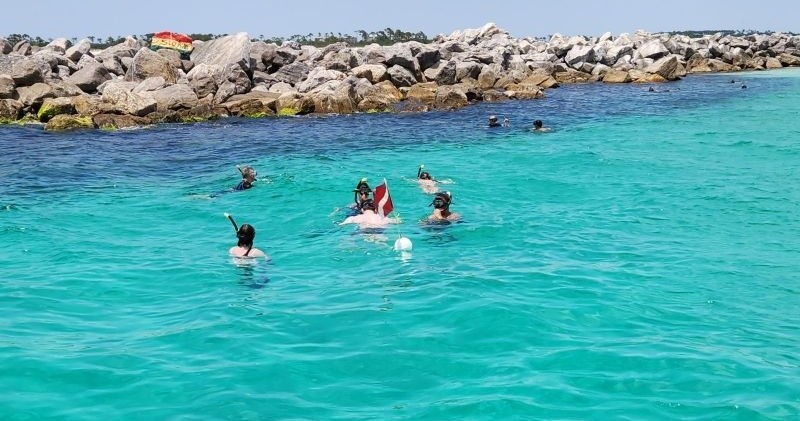
Panama City Beach reads like a contradiction until you slip a mask on and look below the surface. From shore the water is famously candy-green and the sand impossibly white; beneath that brightness is a layered coastal ecosystem—shallow sand flats, dense seagrass meadows, scalloped dropoffs, and a series of intentionally sunk structures that turn otherwise featureless bottom into concentrated habit for reef fish. The accessibility is the first lure: many of the top snorkel sites are reachable from a short boat ride or even a swim from shore on calm days, which is perfect for travelers who want marine life encounters without technical diving. Seasonally warm waters bring a profusion of life. In spring and summer, juvenile snapper, sergeant majors, rays, and the occasional sea turtle cruise the shallows while fiddler crabs and ghost shrimp animate the sand between tides. Artificial reefs and decommissioned wrecks, placed by state and local programs, interrupt the monotony of sand and concentrate fish, invertebrates, and sponges—turning a short snorkel into a micro-reef safari. Shell Island and the edges around St. Andrews State Park present different moods: Shell Island’s calmer back bays and tidal channels are ideal for spotting rays and school minnows in glassy water, while the park’s offshore reefs and rock piles reward those who boat a little farther. The region’s human story threads through the experience. Panama City Beach is built on a long tradition of recreational fishing, boating, and beach culture—so the reef placements, marked dive sites, and charter operators have grown up around both conservation goals and public access. At the same time, the area faces the realities common to Gulf coasts: episodic red tide events, runoff-driven turbidity after storms, and warm-water stress that changes visibility and animal behavior. Smart planning—checking local water-quality advisories, choosing calm days for visibility, and timing outings around tides—helps you see the best the Gulf has to offer. What distinguishes snorkeling here is the combination of approachability and variety. Beginners can practice mask skills in low, warm water while still encountering a parade of colorful tangs and wrasses; intermediate snorkelers can build a day around multiple reef sites and shallow wrecks; those comfortable with longer swims or freediving can explore small canyons and deeper artificial structures. Complement the day with kayak or paddleboard access to quieter coves, comb the beaches for shells at low tide, or join a guided trip that pairs snorkeling with a shallow-water ecology lesson. The result is a coastal snorkeling experience that feels like a true Gulf adventure—sun-forward, marine-rich, and immediately satisfying for travelers of many tastes.

Shallow water and gentle shore breaks make Panama City Beach especially beginner-friendly, while a scattering of offshore reefs and wrecks gives more practiced snorkelers clear objectives.

Conservation-minded artificial reefs and local resource management aim to protect nearshore habitats and create predictable snorkeling points; still, natural conditions like storms and algal blooms can affect visibility and wildlife encounters.
Activity focus

Choose by purpose

Whale watching, snorkeling, sunset sailing, cultural canoeing, harbor sightseeing, or private chartering.

Departure hubs

Start near the city

Waikiki and Honolulu Harbor are primary hubs, with some trips launching near Hanauma Bay.

Accessibility

Confirm the vessel

Gangways, shaded seating, and boarding requirements vary according to vessel size and operator.

Seasonal planning

Best Time to Visit

Panama City Beach is warm year-round, but wind, swell, migration, visibility, and demand change the best match between traveler and trip.

Panama City Beach boat tour
Year-round destination

Seasonal highlights change the reason to go

Winter favors humpback encounters; warmer, calmer months favor snorkeling visibility and smoother water.

Humpback season

Memorial Day through Labor Day is busiest for beach access, charters, and onshore facilities.

Prime whale watching, winter holidays, higher demand, and earlier sell-outs.

Snorkeling window

May–June–July–August–September

Typically gentler seas and clearer water for snorkeling trips.

Weather notes

Trade winds year-round

Late spring through early fall offers the warmest water and typically the best visibility on calm days; summer brings long sunlight hours but also greater chance of afternoon thunderstorms. Tropical activity and storms can reduce visibility and create stronger currents outside typical summer patterns.

Quieter opportunities

Late spring & summer weekdays

Shoulder months (April, October) can offer quieter beaches and comfortable air temps; water will be cooler, so a short wetsuit or full rashguard is useful.

Match the trip to your comfort

Choose Your Experience Level

Low effort

Beginner

Short, protected swims from shore or boat over shallow seagrass and sand flats; calm conditions and close-in life make for easy learning.

  • Shore snorkel along protected back bays of Shell Island
  • Guided shallow-reef introduction trips
  • Seagrass meadow wildlife watching near low tides
Active day trip

Intermediate

Longer swims to marked artificial reefs or shallow wrecks; some navigation and comfort with limited current recommended.

  • Boat-access snorkel to nearby reef balls and wreck sites
  • Multi-site half-day reef trips with surface swims between spots
  • Snorkel + kayak combos to explore channels and high-tide passes
Longer or technical

Advanced

Extended swims, freediving around deeper wrecks, or snorkels that require strong navigation skills and comfort in open-water conditions; usually done from a support boat.

  • Freedive-focused exploration of deeper artificial structures
  • Open-water reef circuit with boat support
  • Night snorkeling or ecology-oriented surveys with guide

Prepare for sun, spray, and swell

What to Bring

Essential

Core kit

  • Well-fitting mask and snorkel (rental or personal)
  • Rashguard or wetsuit top (water can still feel cool in shoulder seasons)
  • Fins sized for comfort and control in shallow water
  • Reef-safe sunscreen and a sun-protective hat for boat/shore transitions
  • Waterproof bag for keys and phone; dry towel
Recommended

Useful extras

  • Light snorkeling vest for added buoyancy and visibility
  • Surface marker buoy if swimming from shore or a shore-to-reef route
  • Mesh bag for any legal shell or debris you collect
  • Water shoes for rocky or shelly shore entries
  • Mask defog and small repair kit
Optional

Trip-specific

  • Underwater camera or small action camera
  • Compact first-aid kit with sting-care items
  • Reef booties for colder shoulder-season swims
  • Binoculars for spotting dolphin pods or birds before you enter the water
Check local water-quality and red-tide advisories before heading out and always respect wildlife and habitat—no touching or chasing sea life.

Insider Tips & Local Knowledge

Reserve whale-watching and popular sunset cruises well ahead during December–April.
Choose morning snorkeling departures for calmer seas and better underwater visibility.
For motion sensitivity, choose a larger vessel, sit mid-ship, and take preventative medication before boarding.
Do not touch coral or wildlife, avoid standing on reefs, and use reef-safe sunscreen.
Community-based operators may add context about traditional navigation and stewardship.
Arrive early for parking and check-in because Waikiki departure areas can be busy.

Planning questions

Frequently Asked Questions

No general permit is required for recreational snorkeling in nearshore waters. Specific activities like commercial charters operate under separate permits; always follow protected-area regulations within state parks.
Best Snorkeling Adventures in Panama City Beach, Florida
Ready for your snorkel adventure?

Browse 11 verified trips in Panama City Beach.

Compare current availability and book with instant confirmation.

Explore Panama City Beach snorkel