Why Panama City Is an Ideal Place for Eco Tours
Panama City sits at the watery hinge between shallow Gulf waters and a braided system of bays, estuaries, and barrier islands—terrain that rewards slow, attentive travel. On an eco tour here you trade the roar of speed for the quiet of tide-driven rhythm: mangrove roots slicing glassy water, the punctuated call of herons, stingrays winging across sandy flats. These are not just scenic tours; they are living lessons in coastal ecology. Guides point out how seagrass beds buffer storm surge and support juvenile fish, how dune vegetation anchors the fragile barrier islands, and how the daily push and pull of tides structures food webs. That kind of context transforms a pleasant boat ride into an informed encounter with a functioning ecosystem.
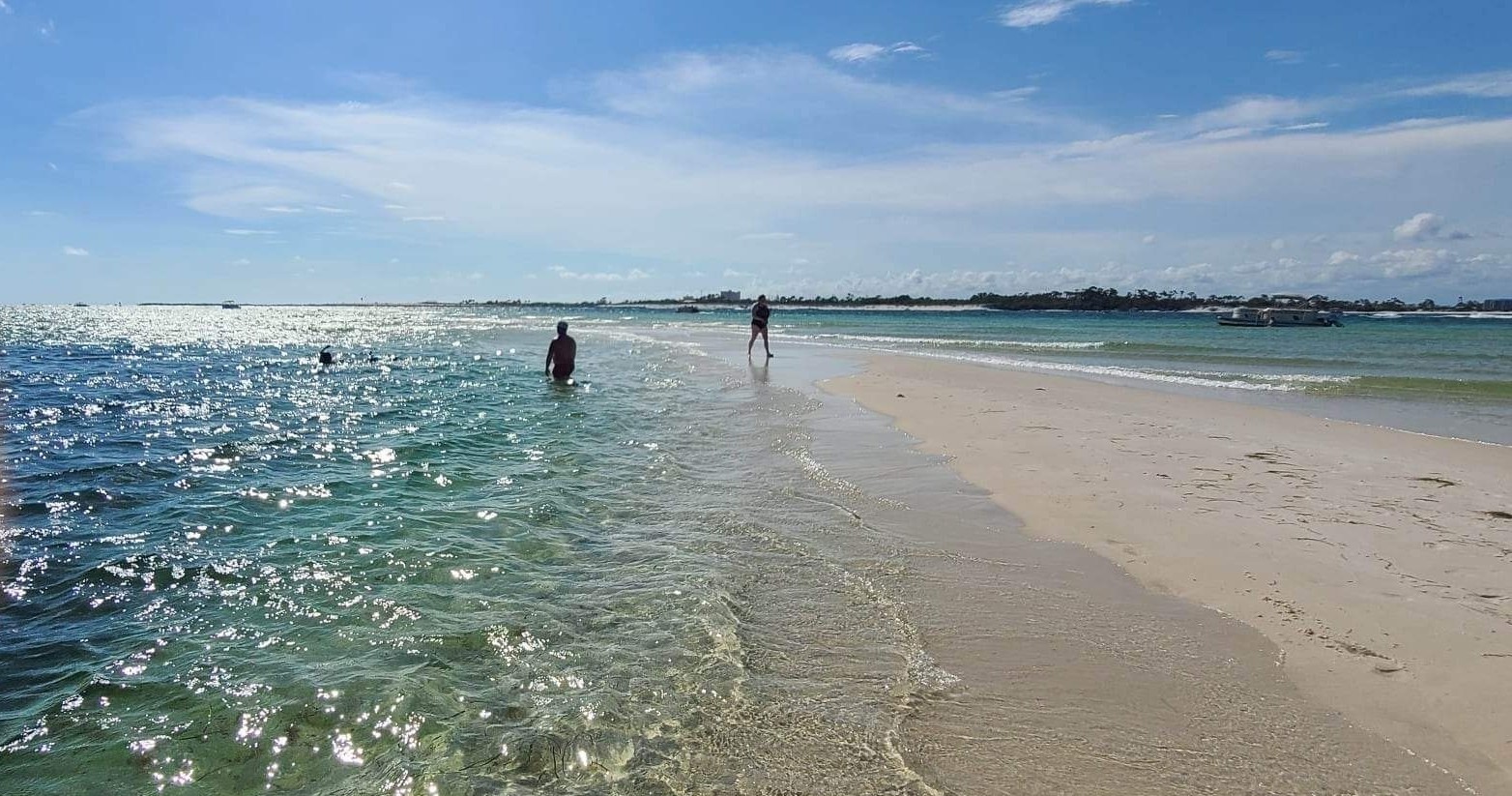
There’s an immediacy to Panama City’s coastal habitats that is accessible to nearly every traveler. Shell Island’s long, unpaved beaches and unspoiled dune corridors are reachable by short shuttle or guided boat; kayak routes thread safe, protected channels with frequent pullouts for birding or shelling; boardwalks in St. Andrews State Park give non-boat visitors a front-row view of salt marsh processes. For photographers and naturalists, the lighting and low-angle views across flats are exceptional at dawn and dusk. For families and casual travelers, eco tours here are designed to be hands-on yet low-stress—spotting shorebirds, learning about oyster reefs, and watching for dolphin pods without needing technical skills or long hikes.
The cultural and conservation context is part of the draw. Panama City’s relationship with its coastline has changed over generations—commercial fishing, tourism, and conservation initiatives have all shaped the shorelines you see today. Local guides often fold in stories of fisheries restoration, sea turtle monitoring programs, and community-driven habitat protection. That makes many operators partners in stewardship; joining a guided eco tour is commonly also a small act of conservation support. Seasonality is also evident—spring and early summer bring nesting sea turtles and migratory waders, while fall and winter highlight visiting shorebirds and calmer water conditions for shelling and snorkeling. Understanding these rhythms helps you pick the right tour at the right time.
Finally, eco tours in Panama City are remarkably varied in tone and tempo. Choose a short, interpretive boat cruise for broad context and shorebird spotting, a guided kayak trip for slow exploration and quiet wildlife encounters, or a specialized survey with researchers focused on seagrass, oyster reefs, or sea turtle nesting. For planners, that variety means you can build eco-focused half-days into a beach-heavy itinerary, or lean fully into a multi-day sequence of coastal experiences that deepen your understanding of the Gulf’s nearshore ecology.
Low-impact access: Many eco tours emphasize small-group sizes, no-trace practices, and education—good options for travelers who want meaningful encounters with minimal environmental footprint.
Wildlife variety: Expect shorebirds, wading birds, migratory waterfowl in season, bottlenose dolphins, and in summer, loggerhead and green sea turtles near nesting beaches.
Complementary activities: Combine an eco boat tour with paddleboarding, guided snorkeling over seagrass beds, or a morning birding walk on Shell Island for a layered coastal experience.