Why Papaikou Is a Standout Water Activities Destination
Papaikou’s shoreline is a study in subtle variety: pockets of sheltered coast that offer glassy mornings for floating over coral gardens, and jagged lava benches that funnel winter swell into thundering shorebreak. The town itself is small, but its proximity to Hilo Bay and the Hāmākua Coast makes it an excellent base for water-centric itineraries. The area’s frequent rain keeps coastal waters nutrient-rich; that encourages reef productivity and draws reef fish, octopus, and the honu (green sea turtle) into nearshore zones where visitors can observe them without long boat runs.
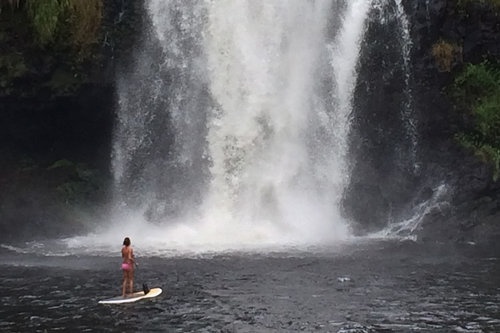
What defines water activity in Papaikou is seasonality. Summer months and late spring usually bring lighter trade winds and calmer seas—ideal windows for snorkeling, stand-up paddleboarding, and casual sea-kayaking. In contrast, winter storms from the north and northeast can build long-period swell that transforms exposed points into playgrounds for experienced surfers and bodyboarders. Whale season, when humpbacks migrate through Hawaiian waters, overlays the winter calendar and creates a rare opportunity for shore-based whale watching as well as guided boat trips departing from Hilo.
Beyond the pure action, there’s a cultural and environmental thread to every ocean outing here. The coastline near Papaikou is dotted with small-scale ahupuaʻa traditions—ancient land and sea management practices still reflected in the way locals fish, harvest limu (seaweed), and interact with reef habitats. That cultural context reinforces a practical ethic: respect the reef, carry reef-safe sunscreen, and observe wildlife quietly. Many of the best experiences—postcard snorkeling in protected coves, slipping into tidepools at low flow, or timing a paddle to meet a calm morning—require reading tides, swell, and wind. Local operators and seasoned residents have an intuitive feel for these patterns; hiring a guide for your first outings accelerates learning and improves safety.
The logistics of getting on the water from Papaikou are straightforward: short drives place you at sheltered coves and access points. Public access is limited in spots by narrow roadside shoulders and rocky approaches, so plan for modest walks and step-overs. Equipment can be rented in nearby Hilo, though many adventurers bring their own masks, snorkels, and fins to guarantee fit and performance. For travelers who want a single, concentrated water-adventure base—snorkeling, paddle-surf, wave-watching, and seasonal whale encounters—Papaikou’s intimate coastline and easy access to the broader Hilo corridor make it an unexpectedly rich option that rewards curiosity, timing, and a bit of local knowledge.
Small coves and nearshore reefs create reliable snorkel windows—especially during late spring and early fall when swell and wind are moderate.
Winter opens the coastline to bigger surf and whale migration; both are spectacular but require respect for ocean conditions and experience-based judgment.
Local knowledge matters: tide charts, recent swell reports, and guidance from Hilo-based outfitters will improve safety and the quality of your outings.