Top Sailing Experiences in Peapack and Gladstone, New Jersey
Peapack and Gladstone Sailing Guide

Top Sailing Experiences in Peapack and Gladstone, New Jersey

Peapack and Gladstone sits inland amid rolling pastures and river valleys, but it functions as a quiet gateway for sailors who want to trade suburban calm for on-the-water clarity. From sheltered reservoir daysails to tactical river runs and the longer drives to coastal bays and New York Harbor charters, sailing from this corner of Somerset County is defined by variety: tight-water skill-building on lakes, tidal awareness on the Raritan, and access to big-water experiences within an hour or two by car. This guide focuses on how to plan those outings—what to expect seasonally, where practical launching and club options typically exist, and how to match boat type and crew size to local conditions.

Raritan RiverRound Valley ReservoirSpruce Run ReservoirSandy Hook & New York Harbor

Live destination inventory

Top Sailing Trips in Peapack and Gladstone

76 trips · Book with confidence · Instant confirmation

The prototype intentionally does not invent replacement trip cards or add images that are not already part of the live source page.

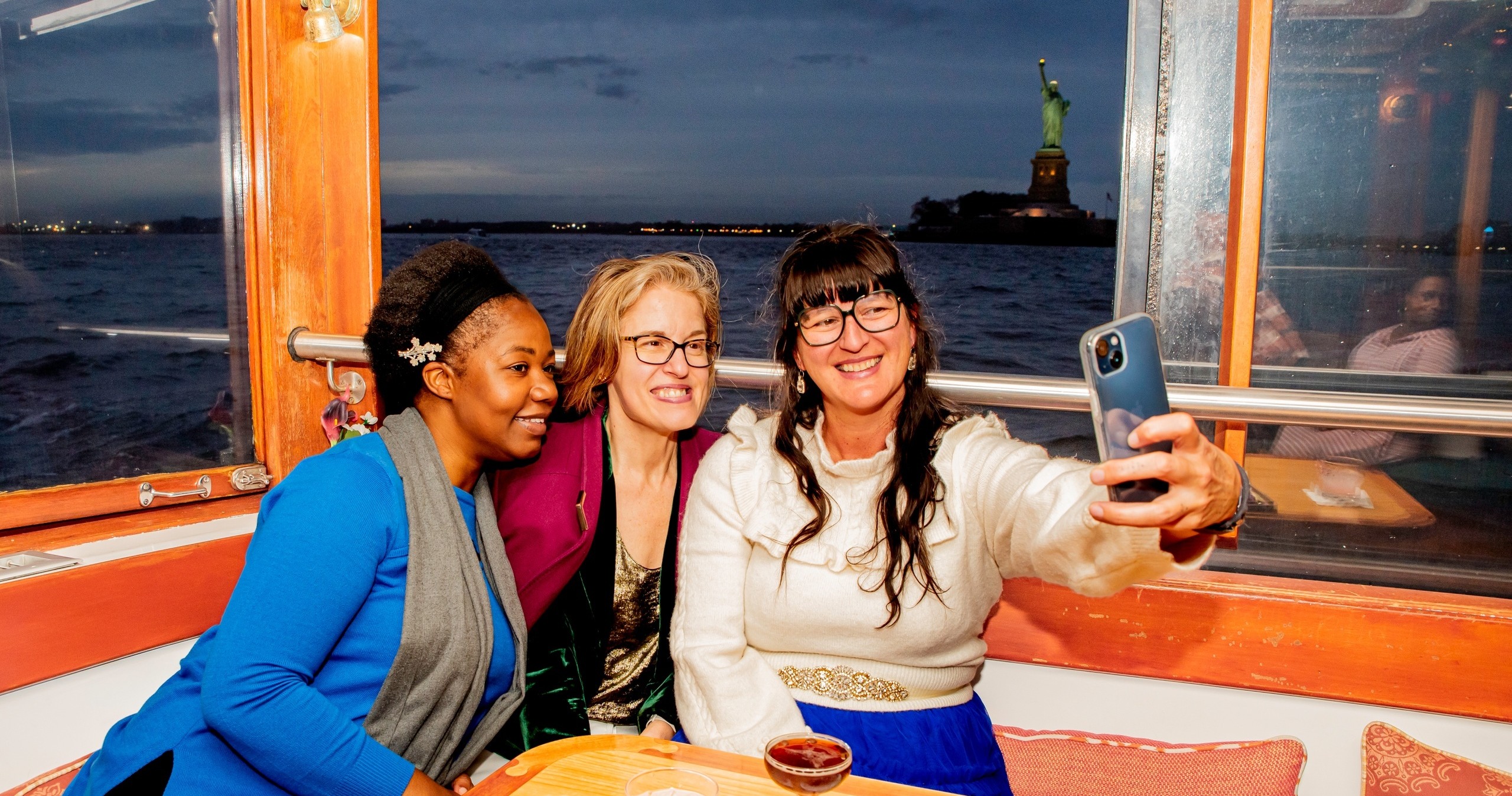
The city from the water

Why Peapack and Gladstone Works for Sailors

There’s a particular pleasure in leaving a quiet tree-lined lane in Peapack and Gladstone and, within a short drive, slipping the lines on a small keelboat or dinghy into water that feels like a different world. The region doesn’t advertise itself as a major sailing hub—there are no mega-marinas in town—but its advantage is variety within reach. Reservoirs like Round Valley and Spruce Run offer protected water where winds are usually steadier and afternoons commonly develop thermal breezes that are ideal for day sailors practicing sail trim, tacks, and spinnaker work. For sailors who want tidal complexity, the Raritan River and nearby bays open up options for learning tidal planning and waypoint navigation. Sailing here is as much about timing and planning as it is about seamanship. Lakes and reservoirs are typically best mid-late morning through afternoon when thermal winds build; conversely, early mornings can be calm and perfect for learning fundamentals with minimal chop. The Raritan presents different demands—shifting currents, variable fetch, and occasional strong tidal flows—so trips there reward careful weather and tide planning. For those craving more dramatic coastlines, Sandy Hook and New York Harbor are reachable targets for day charters or overnighting excursions; they transform a local outing into an offshore-style voyage with shipping-lane awareness and stronger sea states. Community is part of the appeal. Local sail clubs and municipal launches supply a backbone of know-how—hands-on clinics, informal racing, and community swap meets for gear. If you’re new to keelboats, a small local club outing or a private instructor can accelerate competence far faster than solo trial-and-error. Complementary activities ground the sailing experience in place: a morning sail can be paired with a riverside hike, afternoon fly-fishing on quiet tributaries, or a summer evening at a vineyard or farmstand. On practical terms, launching infrastructure ranges from paved ramps to trailer launches and limited marina slips; many reservoirs require day-use passes or parking permits at state-managed facilities, and put-in points can be seasonal. Ultimately, sailing around Peapack and Gladstone rewards a traveler who values adaptability. The best outings come from matching boat choice to water type, watching wind and tide forecasts, and leaving room for the unexpected—an afternoon wind shift that turns a casual training sail into one of those tidy, memorable reaches where everything falls into place.

Close-but-varied waters: protected reservoir daysails, technical river runs, and coastal options within 1–2 hours’ drive provide progressive skill-building opportunities.

Community resources: local sailing clubs, seasonal clinics, and nearby charter operators offer paths for beginners to gain confidence and for experienced crews to race or cruise.

Activity focus

Choose by purpose

Whale watching, snorkeling, sunset sailing, cultural canoeing, harbor sightseeing, or private chartering.

Departure hubs

Start near the city

Waikiki and Honolulu Harbor are primary hubs, with some trips launching near Hanauma Bay.

Accessibility

Confirm the vessel

Gangways, shaded seating, and boarding requirements vary according to vessel size and operator.
Seasonal planning

Best Time to Visit

Peapack and Gladstone is warm year-round, but wind, swell, migration, visibility, and demand change the best match between traveler and trip.

Peapack and Gladstone boat tour
Year-round destination

Seasonal highlights change the reason to go

Winter favors humpback encounters; warmer, calmer months favor snorkeling visibility and smoother water.

Humpback season

June–August

Prime whale watching, winter holidays, higher demand, and earlier sell-outs.

Snorkeling window

May–June–July–August–September–October

Typically gentler seas and clearer water for snorkeling trips.

Weather notes

Trade winds year-round

Spring and early summer bring cool mornings and reliable thermal breezes by midday on reservoirs. Peak heat and humidity in July and August can mean unstable afternoon thunderstorms—check forecasts and avoid being far offshore if storms are predicted. Fall offers crisp air and stable winds, making it a favorite season for club racing and longer day sails.

Quieter opportunities

Late spring & summer weekdays

Late spring and early fall provide quieter ramps and steady winds; shoulder seasons are ideal for skill clinics and for scheduling private instruction with more flexible availability.

Match the trip to your comfort

Choose Your Experience Level

Low effort

Beginner

Protected-water daysails on reservoirs and supervised sailing with club instructors. Focus on basic boat handling, sail trim, and safety drills.

  • Introductory dinghy session on a calm reservoir
  • Afternoon day-sail on a small keelboat with an instructor
  • Shallow-water practice with capsize drills and reefing basics
Active day trip

Intermediate

Longer day sails, basic navigation on tidal stretches, and club racing in variable winds. Expect to manage sail changes and crew coordination.

  • Tidal run on the Raritan with current planning
  • Round-the-buoy club race on a lake or river
  • Day charter to nearby bay with watch rotations
Longer or technical

Advanced

Offshore crossings, complex tidal planning, and crewed overnight passages. Advanced sailors will tackle shipping-lane awareness, night navigation, and heavy-weather seamanship.

  • Charter or delivery to Sandy Hook and back
  • Overnight coastal passage to New York Harbor
  • Competitive regatta racing in mixed sea states

Prepare for sun, spray, and swell

What to Bring

Essential

Core kit

  • USCG-approved life jackets for every passenger
  • Wind- and waterproof layers (wind can be stronger on open water)
  • Sailing gloves and non-marking deck shoes
  • Sunglasses with retainer and reef-capable sunscreen
  • Portable VHF or charged cellphone in waterproof case
Recommended

Useful extras

  • Basic tool and sail-repair kit (tape, shackles, knife, blocks)
  • Navigation basics: tide tables for tidal outings, and a handheld compass or chartplotter
  • Waterproof dry bag for clothing and electronics
  • Lightweight foul-weather jacket and an insulating mid-layer
Optional

Trip-specific

  • Lightweight throw line or heaving line
  • Binoculars for bird and shoreline spotting
  • Compact first-aid kit and seasickness remedies
Always verify launch access, parking restrictions, and weather/tide forecasts before departing.

Insider Tips & Local Knowledge

Reserve whale-watching and popular sunset cruises well ahead during December–April.
Choose morning snorkeling departures for calmer seas and better underwater visibility.
For motion sensitivity, choose a larger vessel, sit mid-ship, and take preventative medication before boarding.
Do not touch coral or wildlife, avoid standing on reefs, and use reef-safe sunscreen.
Community-based operators may add context about traditional navigation and stewardship.
Arrive early for parking and check-in because Waikiki departure areas can be busy.

Planning questions

Frequently Asked Questions

Boat rental options exist on nearby reservoirs and at larger marinas within driving distance. Availability varies by season—reserve in advance for weekends and summer holidays.
Top Sailing Experiences in Peapack and Gladstone, New Jersey
Ready for your sailing adventure?

Browse 76 verified trips in Peapack and Gladstone.

Compare current availability and book with instant confirmation.

Explore Peapack and Gladstone sailing