Dolphin in Pensacola Beach, Florida

Read the destination guide ↓
Popular Activities
More activities
0 adventures loaded
Dolphin in Pensacola Beach, Florida
Pensacola Beach Dolphin Guide

Dolphin in Pensacola Beach, Florida

Pensacola Beach stitches sugar-white sand to the briny Gulf, but the real draw for early-morning and golden-hour travelers is the quicksilver arc of dolphin dorsal fins. From shore-based sightings at the pass to small-group kayak tours threading the sound, dolphin watching here is as much about place—shallow bays, tidal flows, and a working coastline—as it is about the animals themselves.

Gulf of MexicoSanta Rosa SoundPensacola Pass
By Robert Eric CrewsFounder & Editor, The Adventure Collective

Dolphin in Pensacola Beach

Why Pensacola Beach Is a Standout Dolphin-Watching Destination

There’s a particular hush that comes with the Gulf at dawn: a soft, spreading light on shallow water, the cry of distant gulls, and the first black fins cutting the surface like punctuation marks. Pensacola Beach lives in those moments. The seam where the Santa Rosa Sound meets the Gulf through Pensacola Pass creates a patchwork of currents and channels that concentrate fish and, in turn, draw dolphins close to the shoreline. It’s a dynamic coastal system—sandbars that shift with storms, tidal runnels that funnel baitfish, and protected bays where pods can travel with relative safety—that makes dolphin encounters frequent and varied.

Watching dolphins here is equal parts natural history and theater. Expect to see acrobatic displays—breaching, tail-slaps, and synchronized runs—alongside quieter behaviors: mothers nursing calves in calm backwaters, youngsters investigating a bow wake, or single animals foraging along a sandbar edge. Local guides and naturalists read those behaviors like a shorthand; they’ll point out how group size and activity shift with tides, time of day, and the season. That biological literacy is part of the appeal—these are not just scenic boat rides but guided introductions to a living coastal ecosystem.

Pensacola’s human story is stitched to the sea as tightly as its wildlife. Fishing camps, naval history, and a coast carved by storms and human use have all shaped current access and stewardship. Today’s operators balance recreation with conservation: licensed captains brief guests on respectful viewing distances, and many outfitters limit group sizes to reduce disturbance. For visitors, that means more meaningful encounters that don’t just check a box but leave you with a clearer sense of the animals’ needs and the fragility of their habitat.

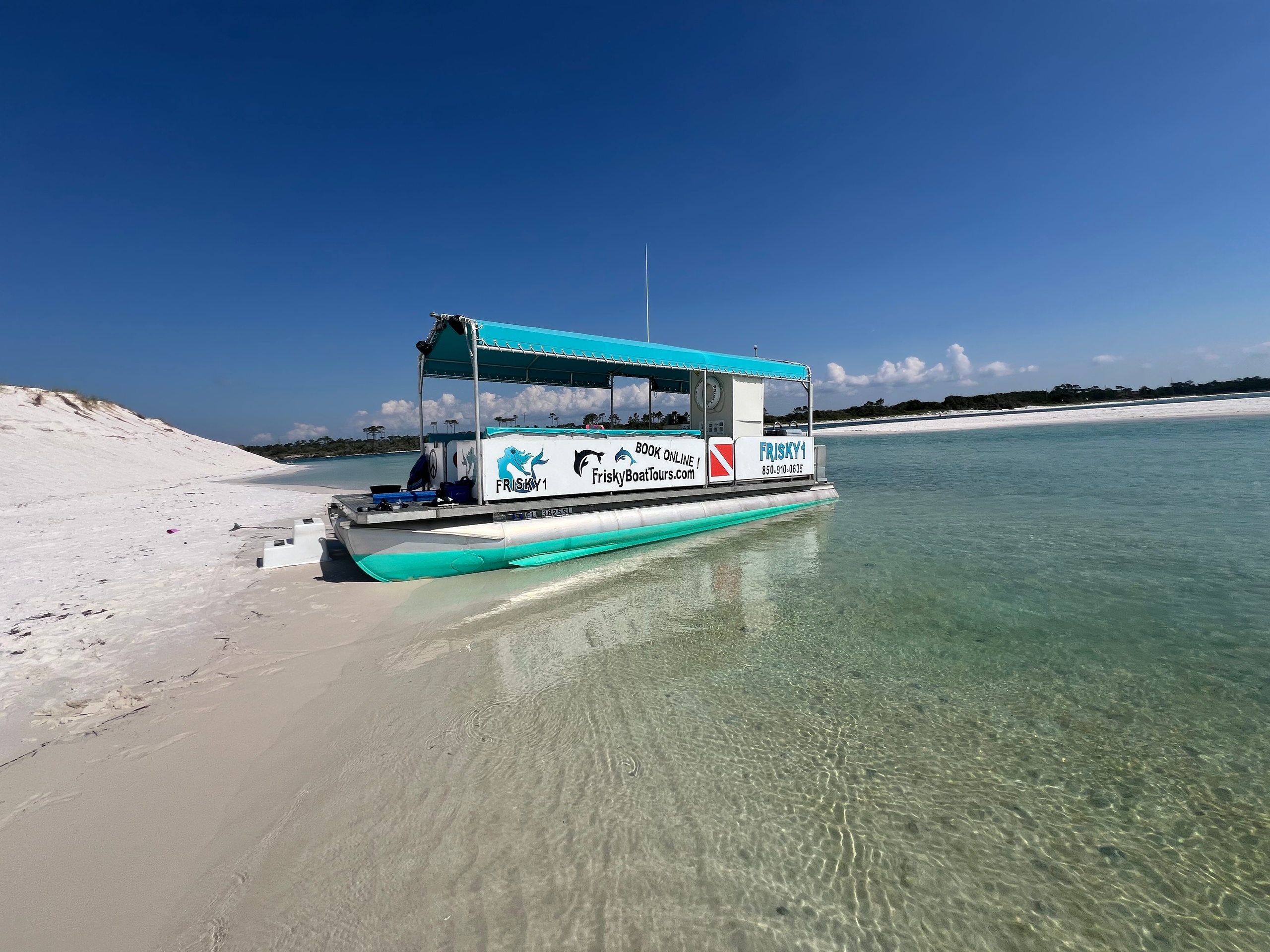
Beyond pure wildlife-watching, dolphin trips here dovetail with a range of seaside experiences. Paddleboard and kayak tours let you thread quiet mangrove tunnels where dolphins occasionally slip past at eye level. Snorkeling and shallow-water boat trips reveal the same feeding grounds from a different angle. And for photographers and writers, the shifting light on curving sandbars—paired with dolphin arcs—is a near-perfect subject. The practical payoff: whether you come for an hour-long morning cruise or a multi-day coastal exploration, Pensacola Beach offers reliable sightings framed by accessible, safety-minded operations and a coastal culture that still values the sea.

Frequent sightings: shallow bays and the pass concentrate prey and make dolphins visible from shore and small craft.

Complementary activities: combine a dolphin tour with kayaking, snorkeling, or a sunset cruise to deepen your experience of the coastal landscape.
Seasonal planning

Best Time to Visit

Seasonal conditions and travel timing in Pensacola Beach.

Pensacola Beach Dolphin
Seasonal planning

Pensacola Beach throughout the year

Warm, humid summers bring calm mornings ideal for boat and kayak tours; afternoons can develop sea breezes and brief thunderstorms. Late spring through early fall tends to offer the most consistent dolphin activity nearshore. Pay attention to seasonal tropical storm or hurricane alerts.

Peak season

Summer months and holiday weekends (higher visitation for tours and beachfront access).

Popular travel period with peak availability and booking demand.

Best months

May–June–July–August–September

Optimal seasonal conditions for outdoor trips.

Weather notes

Warm, humid summers bring calm mornings ideal for boat and kayak tours; afternoons can develop sea breezes and brief thunderstorms. Late spring through early fall tends to offer the most consistent dolphin activity nearshore. Pay attention to seasonal tropical storm or hurricane alerts.

Off-peak opportunities

Late fall and winter bring fewer crowds and cooler mornings—tours still run and can offer quieter, more intimate wildlife encounters, though water temperatures and activity patterns shift.

Match the trip to your comfort

Choose Your Experience Level

Low effort

Beginner

Shoreline and short, guided boat tours—low physical demand and high accessibility for most visitors.

  • Sunrise dolphin cruise (short, narrated)
  • Pass-viewing from designated beach overlooks
  • Family-friendly bay kayak tour with calm paddling
Active trip

Intermediate

Longer kayak or paddleboard tours and small-group photography cruises that require basic fitness and comfort on the water.

  • Half-day guided kayak tour of Santa Rosa Sound
  • Photography-focused small-boat excursion
  • Sunset dolphin-and-dolphin-chase mixed sightseeing tour
Technical or extended

Advanced

Multi-hour offshore trips and self-guided coastal expeditions that require sea-knowledge, navigation skills, and planning for changing conditions.

  • Offshore charter targeting nearshore dolphin activity
  • Self-guided multi-stop coastal paddling with navigation between sound and pass
  • Long-form naturalist expeditions combining snorkeling and wildlife observation

Prepare for your excursion

What to Bring

Essential

Core kit

  • Binoculars or a zoom lens for close-up viewing
  • Water, sun protection, and a wide-brim hat
  • Light waterproof layer or windbreaker (sea spray and breezes are common)
  • Seasickness medication if you're prone to motion sickness
  • Reusable water bottle and a small dry bag for electronics
Recommended

Useful extras

  • Polarized sunglasses for glare reduction
  • Camera with fast shutter and telephoto lens (or a quality point-and-shoot)
  • Waterproof phone case and lanyard
  • Soft-soled shoes for stepping into small skiffs or kayaks
Optional

Trip-specific

  • Small notebook for field notes or species observations
  • Binocular harness or strap for long watches
  • Light snack for multi-hour tours
Always verify tour operator credentials, weather, and tide schedules before heading out.

Insider Tips & Local Knowledge

Start early for smoother water and higher chances of active feeding behavior; dawn and the hour before sunset are often the best windows. If you’re prone to seasickness, take medication at least 30 minutes before departure and choose morning trips with calmer conditions. Ask guides about local marine life regulations and avoid touching or feeding dolphins under any circumstances—responsible viewing keeps animals wild and populations healthy. For photographers, a fast shutter speed and continuous autofocus will help capture quick, unpredictable movements; for non-photographers, binoculars and patience reward long watches. Consider combining a dolphin tour with a paddle through the mangroves or an evening beach stroll—both build a fuller sense of how coastal processes shape wildlife patterns. Finally, book tours in advance during summer weekends, and choose smaller, locally run operators when possible for more educational and lower-impact experiences.

Planning questions

Frequently Asked Questions

Yes—dolphins frequently travel along sandbars and through passes where prey concentrates, making them visible from shore and on short boat or kayak trips.
Dolphin in Pensacola Beach, Florida
Ready for your dolphin adventure?

Browse trips in Pensacola Beach.

Compare current availability and book with instant confirmation.

Explore Pensacola Beach dolphin →