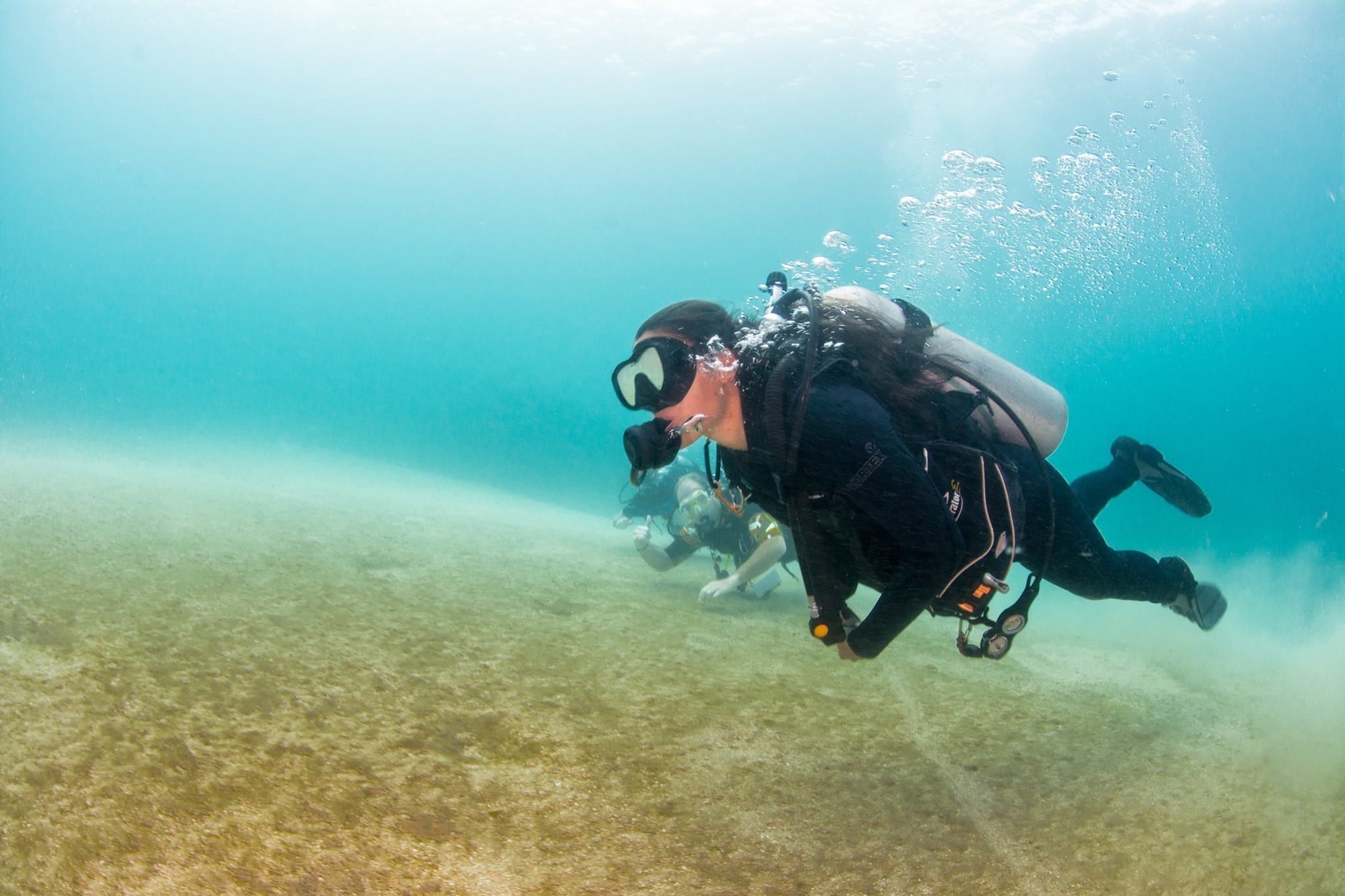
Why Poipu Is a Standout Place for Boat Tours
There are few places where ocean and land feel so deliberately in conversation. Poipu’s south shore is a choreography of trade winds, volcanic shoreline, and reefs that arrange themselves into a natural program of marine encounters. From the outside, a boat tour looks simple: an engine, a few hours, and an itinerary that promises snorkeling, dolphin sightings, or whale-watching. On the inside—the part you feel in your ribs when the boat rounds a point and a pod of spinner dolphins scatters like black confetti across the sea—it’s a doorway into a living coastline shaped by currents, reef ecology, and centuries of Hawaiian relationship to the ocean.
The practical brilliance of Poipu is its accessibility. Launch points are minutes from resorts and rental houses; trips range from shallow-reef snorkeling that welcomes families to choppy offshore runs for experienced sea-goers. This variety matters because Poipu is not just a single season destination. Winter months (roughly December through April) bring migrating humpback whales into Kauai’s leeward waters, turning daily cruises into opportunities for intimate cetacean observation. Summer and early fall deliver calmer seas, clearer water, and outstanding visibility for snorkel- and dive-focused excursions along reefs that shelter vibrant fish life and endangered Hawaiian monk seals.
Beyond biology, Poipu boat tours are a way to read the island’s geology and cultural shoreline. Captains point out ancient lava flows, sea cliffs sculpted by trade winds, and taro-koʻa (traditional fishing places) that speak to relationships between people and sea. Many operators fold conservation and local history into the narration—how reef health affects fish populations, why certain coves are protected, or how Polynesian voyaging traditions shaped local navigation. For travelers who want more than a postcard photo, a well-chosen tour connects sensory moments—salt on your lips, the lift of a swell—with a deeper map of place and season.
Finally, the practical calculus matters: boat length, passenger load, and itinerary strongly affect the experience. Small, guided snorkeling boats trade comfort for access to shallow reef gardens; larger catamarans prioritize stability and are better for families, photography, or longer whale-watch legs. Weather and swell change quickly; flexible operators who monitor conditions and communicate clearly will keep you safer and more comfortable. Read trip descriptions for refund or reschedule policies, what safety equipment is provided, and whether the vessel has restroom facilities. In Poipu, choosing a boat tour is equal parts aligning expectation and respecting the sea’s moods: do that, and the shore will reward you with scenes and species that stay with you long after you step back onto sand.
Poipu's south-facing exposure shelters glassy conditions on many mornings—ideal for snorkeling and calm cruises.
December–April is the primary humpback-watching window; book early for whale-specific departures.
Operators range from small guided snorkel skiffs to large catamarans; vessel choice defines access, comfort, and activity focus.
Tours often combine activities—snorkeling, coastal sightseeing, sunset sails, and occasional fishing charters—so pick by the primary experience you want.