Top Scuba Adventures in Poipu, Hawaii
Poipu Scuba Guide

Top Scuba Adventures in Poipu, Hawaii

Sun-warmed water, accessible reefs, and a coastline shaped by lava and reef create some of Kauai’s most inviting scuba sites. Poipu’s dives reward explorers with turtles, coral gardens, and manageable blue-water experiences suitable for a wide range of certified divers.

Poipu BeachKauai South ShoreKoloaSpouting Horn

Live destination inventory

Top Scuba Trips in Poipu

29 trips · Book with confidence · Instant confirmation

The prototype intentionally does not invent replacement trip cards or add images that are not already part of the live source page.

The city from the water

Why Poipu Is a Standout Scuba Destination

There’s an ease to diving Poipu that draws people back: short rides from shore, reefs that begin within easy wading distance, and a shoreline watched over by sugar‑cane era coves and black lava outcrops. Under the surface the landscape changes—coral pinnacles rise from sand, fissures collect life in shadow, and reef slopes tumble to blue. For travelers who want an approachable introduction to Hawaiian reefs without sacrificing variety, Poipu is a rare meeting of accessibility and ecological richness. Diving here is as much about rhythm as it is discovery. Mornings often begin with glassy seas and long visibility; you drop into warm water, listen for the hush of bubbles, and watch reef fish return to their stations. Hawksbill and green sea turtles loaf in coral gardens, tangs and butterflyfish patrolling crevices; during certain seasons spinner dolphins run the blue and large pelagics ghost along deeper contours. The submarine geology—lava-sculpted ledges, shallow reef flats, and deeper sand channels—creates microhabitats that make short dives feel like a string of small marine worlds. That variety means a half dozen different sites near Poipu will offer distinct experiences: gentle shallow snorkel-dives for new certs, wall drifts that test buoyancy and trim, and night dives that flip the script entirely. Beyond the biology and topography, Poipu sits at a cultural crossroads of island life. Koloa’s old plantation roads and beachside parks lead to launch points where contemporary guides operate with aloha and a keen local knowledge of currents, monk seal haulouts, and seasonal patterns. Many dive operators are small, owner-run shops that balance safety and stewardship—group sizes are often modest, and a conversation with your captain will reveal when and where seals and turtles need space or when a cleaning station is hosting congested fish life. This local stewardship is important: Poipu’s reefs are accessible, but fragile; responsible diving here means neutral buoyancy, reef‑safe sunscreen, and an ethic of leave‑no‑trace both above and below water. For travelers, Poipu’s practical benefits are as persuasive as its scenic ones. The town is compact—lodging, gear shops, and launch points are close—so you can do two-tank mornings, afternoon snorkels, or short sunset dives without long transfers. That proximity makes Poipu a manageable base for combining scuba with other island pursuits: kayaking the nearby coast, hiking sandstone ridgelines, or catching a sunset surf. For divers who want variety without the long boat rides or complicated logistics required elsewhere in Hawaii, Poipu is a well-balanced entry: marine life, accessible terrain, and that singular Hawaiian light that makes every dive feel like a small revelation.

Poipu’s dive sites suit a broad range of abilities—protected shallows for beginners and reef walls and drift options for experienced divers—making it an excellent base for mixed-experience groups.

Local operators focus on shorter transit times, smaller groups, and conservation-minded practices; that local knowledge keeps encounters with monk seals and nesting sea turtles safe for both animals and divers.
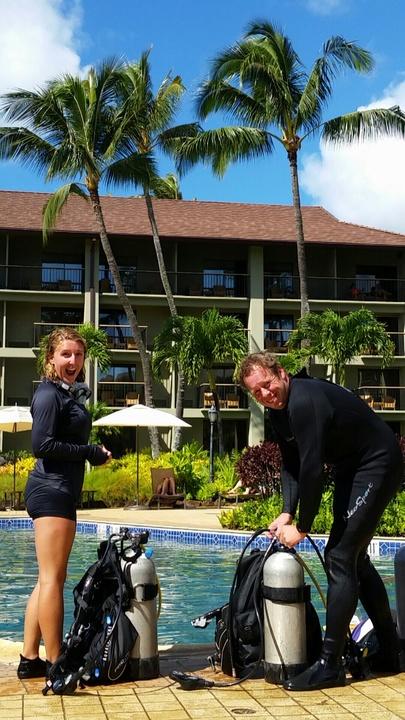
Activity focus

Choose by purpose

Whale watching, snorkeling, sunset sailing, cultural canoeing, harbor sightseeing, or private chartering.

Departure hubs

Start near the city

Waikiki and Honolulu Harbor are primary hubs, with some trips launching near Hanauma Bay.

Accessibility

Confirm the vessel

Gangways, shaded seating, and boarding requirements vary according to vessel size and operator.

Seasonal planning

Best Time to Visit

Poipu is warm year-round, but wind, swell, migration, visibility, and demand change the best match between traveler and trip.

Poipu boat tour
Year-round destination

Seasonal highlights change the reason to go

Winter favors humpback encounters; warmer, calmer months favor snorkeling visibility and smoother water.

Humpback season

Summer months plus holiday weeks are busiest for tourist services and dive bookings.

Prime whale watching, winter holidays, higher demand, and earlier sell-outs.

Snorkeling window

April–May–June–July–August–September–October

Typically gentler seas and clearer water for snorkeling trips.

Weather notes

Trade winds year-round

Poipu's south shore is relatively sheltered. Summer and early fall often bring calmer seas and the best visibility, while winter months can produce larger swells and occasional reduced visibility. Trade-wind patterns and passing storms will affect surface conditions; local operators adjust plans daily.

Quieter opportunities

Late spring & summer weekdays

Winter can offer dramatic surf and the chance to see larger pelagic species offshore—expect more variability in conditions and plan with experienced operators.

Match the trip to your comfort

Choose Your Experience Level

Low effort

Beginner

Protected shore entries and guided shallow reef dives ideal for newly certified divers or 'discover scuba' experiences.

  • Shallow reef garden shore dive
  • Guided boat dive to a calm coral patch
  • Discover Scuba session with in-water instructor
Active day trip

Intermediate

Deeper reef slopes, moderate drift dives, and multi-site half-day outings requiring comfortable buoyancy control and some experience with open-water navigation.

  • Short boat runs to offshore pinnacles
  • Drift along reef walls and coral terraces
  • Night dives at cleaning stations
Longer or technical

Advanced

Longer boat trips, deeper blue‑water profiles, or excursions toward more exposed reefs and channels that require advanced planning, experience, and sometimes specialty training.

  • Offshore pelagic searches and blue-water dives
  • Technical or deep reef profiles (operator-dependent)
  • Multi-dive days combining Niihau approaches or rugged southern reefs

Prepare for sun, spray, and swell

What to Bring

Essential

Core kit

  • Open water certification card or proof of recent dive experience
  • Personal ID and emergency contact information
  • Exposure protection appropriate to your comfort (wetsuit or rashguard)
  • Mask, fins, and snorkel if you prefer your own gear
  • Reef‑safe sunscreen and sun protection for pre/post dive
Recommended

Useful extras

  • Dive computer and depth/time log
  • Surface marker buoy (SMB) for drift-friendly sites
  • Small slate or waterproof note tool for communication
  • Spare mask and fin straps
  • Waterproof micro-LED for night dives
Optional

Trip-specific

  • Underwater camera or compact housing
  • Nitrox certification for longer bottom times (if available)
  • Lightweight reef-safe insect repellent and quick-dry towel
Always check with local operators each morning—conditions change and captains will route dives based on currents, swell, and wildlife protections.

Insider Tips & Local Knowledge

Reserve whale-watching and popular sunset cruises well ahead during December–April.
Choose morning snorkeling departures for calmer seas and better underwater visibility.
For motion sensitivity, choose a larger vessel, sit mid-ship, and take preventative medication before boarding.
Do not touch coral or wildlife, avoid standing on reefs, and use reef-safe sunscreen.
Community-based operators may add context about traditional navigation and stewardship.
Arrive early for parking and check-in because Waikiki departure areas can be busy.

Planning questions

Frequently Asked Questions

Yes. Most local operators require a minimum of Open Water certification for standard scuba dives. Introductory 'discover scuba' programs are available for non-certified guests under direct supervision.
Top Scuba Adventures in Poipu, Hawaii
Ready for your scuba adventure?

Browse 29 verified trips in Poipu.

Compare current availability and book with instant confirmation.

Explore Poipu scuba