Why Port Canaveral Is a Standout Kayak Destination
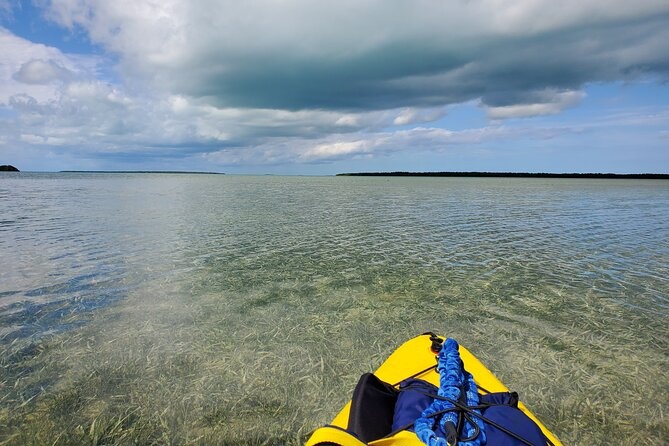
Where the Atlantic meets shallow lagoon, Port Canaveral feels like a coastal classroom: each bend, channel, and mangrove root is an open lesson in ecology and tidal physics. For kayakers the range is unusually compact. Within a short paddle you can move from calm backcountry flats of the Indian River Lagoon—where manatees slowly browse seagrass—to exposed jetty edges where Atlantic rollers throw spray and pelicans hover like punctuation marks. This proximity of sheltered and open water lets paddlers calibrate the challenge of a day trip: choose a placid wildlife float through mangroves or plan a technical crossing by the jetties and inlet channels when winds and tides align.
Seasonality here is defined less by snow and more by wind, water temperature, and visitation. Spring and fall are the sweet spot: moderate winds, clear water, and active wildlife. Summer brings heat, afternoon squalls, and more boat traffic; it’s excellent for early-morning paddles and night tours when bioluminescence can shimmer in wake trails. Winter months are mild by northern standards and often deliver glassy conditions ideal for photographers and birders. Whatever the season, reading tides and currents is central: shifting flows change shallow flats into wide, paddleable expanses or into confusing eddy lines around inlets.
The human story here follows the water. Port Canaveral’s working harbor and cruise terminal create both challenges and perks—large-ship traffic concentrates in predictable channels, leaving quieter pockets for paddling. Nearby Canaveral National Seashore and the Merritt Island refuges preserve stretches of native coastline and provide protected launch points. Local outfitters and eco-guides make this coast accessible: they know low-tide shortcuts through mangrove passes, where to find resting manatees, and which sandbars are ideal for lunch stops. They also understand the hazards: engine wash from passing boats, sudden wind shifts around the cape, and the occasional red tide closure. A well-planned paddle here balances curiosity with respect for wildlife and commercial watercraft.
Finally, Port Canaveral’s variety of complementary experiences—snorkeling wrecks, surf at Cocoa Beach, birding along the lagoon, and evening bioluminescent tours—means kayakers can stitch a full coastal trip from short daily paddles to exploratory multiday itineraries. The region rewards attention to tide tables, a quiet hand during wildlife encounters, and a willingness to start early; when you get those elements right, the Space Coast delivers vivid paddling memories that are equal parts wild, practical, and deeply Floridian.
Compact variety: sheltered estuaries, mangrove channels, and exposed jetty crossings are all within easy reach of Port Canaveral launches.
Wildlife and ecology: manatees, sea turtles, wading birds, and abundant seagrass beds make every paddle both scenic and educational.