Eco Tours in Ramrod Key, Florida
Ramrod Key Eco Tour Guide

Eco Tours in Ramrod Key, Florida

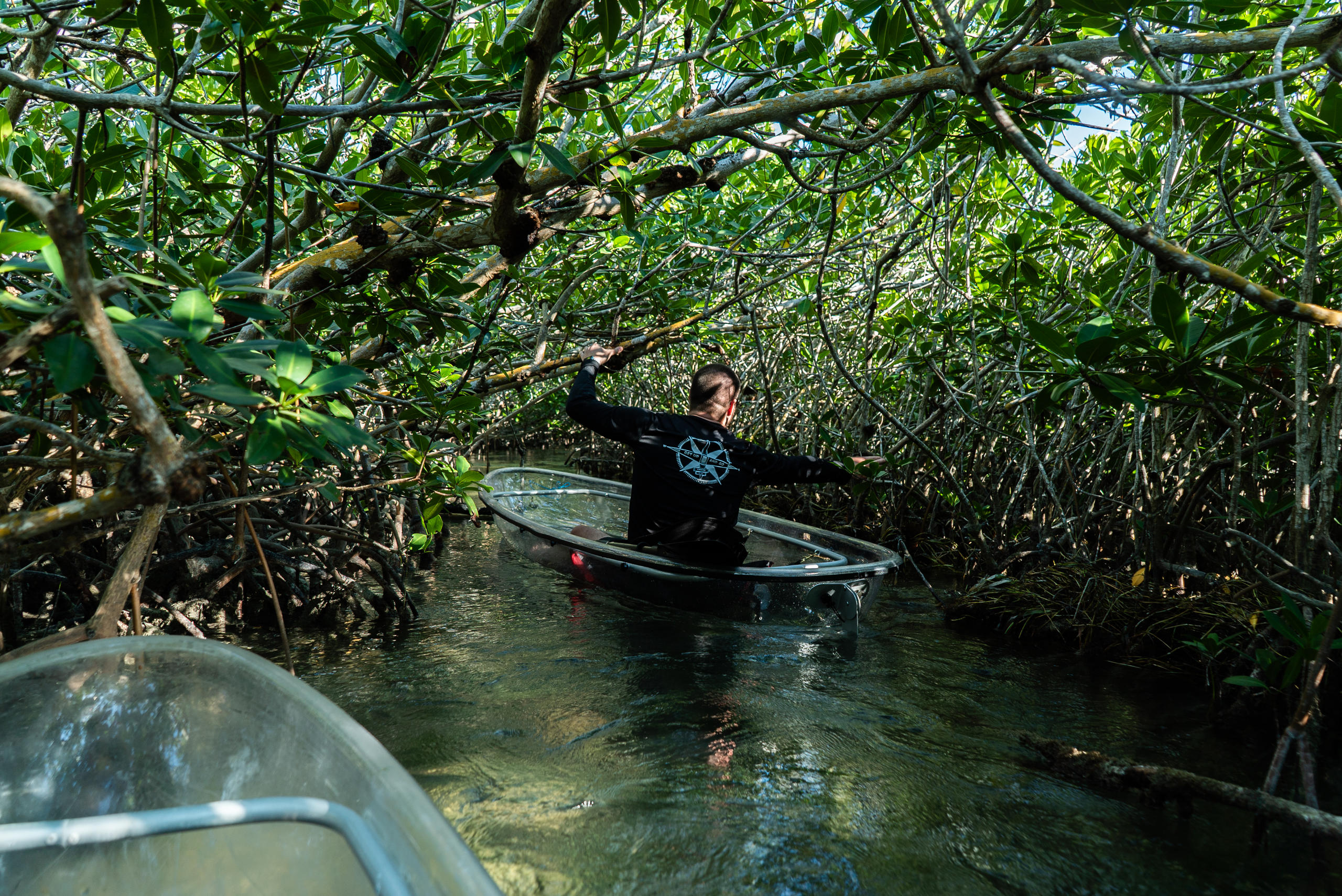
Ramrod Key is a compact launch point with outsized access to some of the Lower Keys' most intimate, ecologically rich experiences. Eco tours here emphasize shallow reefs, seagrass flats, mangrove labyrinths, and the slow rhythms of tidal wildlife. Expect short boat runs to protected snorkeling sites, guided kayak tours through roots and quiet channels, and wildlife-focused cruises tuned to local conservation priorities.

Looe Key National Marine SanctuaryBig Pine Key & the Key DeerSeven Mile BridgeBahia Honda State Park

Live destination inventory

Top Eco Tour Trips in Ramrod Key

30 trips · Book with confidence · Instant confirmation

The prototype intentionally does not invent replacement trip cards or add images that are not already part of the live source page.

The city from the water

Why Ramrod Key Is a Standout Eco Tour Base

Ramrod Key occupies a narrow strip of land and a quiet edge of the Florida Keys, but its real geography is defined by the water around it: shallow seagrass flats that host juvenile fish and foraging sea turtles, mangrove networks that anchor shorelines and act as nurseries, and offshore coral outcrops that punch up from turquoise shallows. An eco tour launched from Ramrod Key compresses a full coastal ecology into a half-day experience—where you can watch the same current that sculpts the reef also ferry pelicans, wading birds, and the occasional manatee through sunlit channels. Walking the line between tourism and stewardship is the central theme of local eco operators. Tours are typically led by naturalists who double as interpreters and field technicians: they point out the diagnostic signs of a healthy seagrass bed, explain how coral restoration fragments are being planted on damaged patches, and demonstrate low-impact snorkeling and kayaking techniques that minimize stress to wildlife. This is not ’see-it-and-go’ sightseeing; it’s an invitation to learn how one of the most fragile tropical marine systems in the continental U.S. functions, and what local groups are doing to protect it. The living cast you’ll meet on these tours is seasonal and surprisingly changeable. In winter months, clearer water and calmer seas make for excellent visibility and easy snorkeling; migrating shorebirds stop at exposed sandbars and pepper the flats; and the cooler air keeps insect pressure low. Spring and early summer bring lush mangrove leaf-out, an abundance of juvenile reef fish in the seagrass, and the first nesting activity from sea turtles. Hurricane season (June–November) reshuffles the reefscape—storms can damage corals and rearrange seagrass beds, but they also create new microhabitats that attract different species. Responsible eco tours adapt to that dynamism, adjusting routes to avoid stressed areas and often participating in monitoring or debris-removal after storms. Culturally, the Keys are a place of fishermen, reef technicians, and long-term residents whose livelihoods are tied to a healthy marine environment. On an eco tour from Ramrod Key you'll often hear personal stories from skippers who grew up fishing these waters, mixed with scientific context from guides who work with regional sanctuaries or nonprofits. That blend of local knowledge and conservation science gives the experience a grounded, actionable feel: you leave not only with photographs of bright reef life and flat-water reflections, but with practical advice on how to be a low-impact visitor, whether that’s choosing reef-safe sunscreen, respecting wildlife distances, or supporting local restoration efforts.

Small-boat and kayak departures mean limited-group experiences that enhance sightings and reduce disturbance.

Operators frequently coordinate with the Florida Keys National Marine Sanctuary and nonprofit restoration projects—your tour may contribute to monitoring data.

The harbor is the gateway, and the Pacific becomes the classroom.

The area’s diversity—mangroves, seagrass, reef flats, and patch reefs—lets a single outing cover multiple habitats and species.

Ramrod Key’s proximity to Looe Key and shallow bays makes it ideal for family-friendly snorkeling and wildlife-spotting tours.
Activity focus

Choose by purpose

Whale watching, snorkeling, sunset sailing, cultural canoeing, harbor sightseeing, or private chartering.

Departure hubs

Start near the city

Waikiki and Honolulu Harbor are primary hubs, with some trips launching near Hanauma Bay.

Accessibility

Confirm the vessel

Gangways, shaded seating, and boarding requirements vary according to vessel size and operator.

Seasonal planning

Best Time to Visit

Ramrod Key is warm year-round, but wind, swell, migration, visibility, and demand change the best match between traveler and trip.

Ramrod Key boat tour
Year-round destination

Seasonal highlights change the reason to go

Winter favors humpback encounters; warmer, calmer months favor snorkeling visibility and smoother water.

Humpback season

December through March for best weather and calm seas.

Prime whale watching, winter holidays, higher demand, and earlier sell-outs.

Snorkeling window

November–December–January–February–March–April

Typically gentler seas and clearer water for snorkeling trips.

Weather notes

Trade winds year-round

The Lower Keys have a tropical climate. Winter months (Nov–Apr) tend to be drier with cooler nights and calmer seas—ideal for clear snorkeling and sheltered kayak trips. Summer brings heat, humidity, afternoon thunderstorms, and heightened hurricane risk from June through November.

Quieter opportunities

Late spring & summer weekdays

Summer and early fall typically have fewer visitors and lower prices; marine life like juvenile reef fish and spawning behaviors can be abundant, but tours may be modified or canceled for weather and sea conditions.

Match the trip to your comfort

Choose Your Experience Level

Low effort

Beginner

Gentle, guided outings with minimal exertion—ideal for families and first-time snorkelers.

  • Glass-bottom boat reef introduction
  • Shallow reef snorkeling with guided interpretation
  • Short mangrove kayak loop
Active day trip

Intermediate

Semi-active trips that require basic fitness and comfort in open water or small boats.

  • Half-day snorkeling at offshore patch reefs
  • Guided bird-and-wildlife boat cruise with spot-and-stay viewing
  • Tidal-channel kayak eco tour with interpretive stops
Longer or technical

Advanced

More focused, conservation-oriented outings or trips requiring advanced water skills and experience.

  • Citizen-science reef monitoring and survey dives/snorkels
  • Multi-habitat day trips combining paddling, snorkeling, and labor for restoration projects
  • Technical freediving or longer-distance island circumnavigation with experienced guides

Prepare for sun, spray, and swell

What to Bring

Essential

Core kit

  • Reef-safe sunscreen (mineral-based) and a sun hat
  • Light, quick-dry clothing and a wind/rain layer
  • Swimwear and a towel
  • Secure waterproof bag for phone/camera
  • Reusable water bottle
Recommended

Useful extras

  • Water shoes or reef-safe sandals for rocky shore entries
  • Snorkel gear if you prefer to use your own (mask, snorkel, optional fins)
  • Light snorkeling mask defog or a small microfiber cloth
  • Polarized sunglasses for spotting fish from the boat
Optional

Trip-specific

  • Binoculars for bird and distant wildlife viewing
  • Small field notebook for sightings
  • Compact camera with waterproof housing
  • Light insect repellent for dawn/dusk mangrove paddles
Book small-group operators and ask about their conservation practices. Weather and tides shape every tour—confirm departure times and cancellation policies.

Insider Tips & Local Knowledge

Reserve whale-watching and popular sunset cruises well ahead during December–April.
Choose morning snorkeling departures for calmer seas and better underwater visibility.
For motion sensitivity, choose a larger vessel, sit mid-ship, and take preventative medication before boarding.
Do not touch coral or wildlife, avoid standing on reefs, and use reef-safe sunscreen.
Community-based operators may add context about traditional navigation and stewardship.
Arrive early for parking and check-in because Waikiki departure areas can be busy.

Planning questions

Frequently Asked Questions

No private permits are required for most visitors. Licensed charter operators handle any necessary access permissions and follow rules set by marine sanctuaries or state-managed areas.
Eco Tours in Ramrod Key, Florida
Ready for your eco tour adventure?

Browse 30 verified trips in Ramrod Key.

Compare current availability and book with instant confirmation.

Explore Ramrod Key eco tour