Sailing in Red Bank, New Jersey
Red Bank Sailing Guide

Sailing in Red Bank, New Jersey

Red Bank sits where a quiet estuary meets the wide sweep of the Raritan/Upper Bay — a compact, surprising launching point for days spent under sail. From protected river reaches with tidal, reflective water to breezy open-bay legs toward Sandy Hook and beyond, the area delivers approachable learning conditions, approachable afternoon sails, and satisfying coastal runs for seasoned skippers. Local marinas and sailing schools create an accessible ecosystem for lessons, charters, club races, and sunset cruises, while onshore Red Bank’s riverfront restaurants and galleries make it easy to fold a day on the water into a broader weekend.

Navesink RiverRaritan BaySandy HookMonmouth County Waterfront

Live destination inventory

Top Sailing Trips in Red Bank

86 trips · Book with confidence · Instant confirmation

The prototype intentionally does not invent replacement trip cards or add images that are not already part of the live source page.

The city from the water

Why Red Bank Is a Standout Sailing Base

Red Bank’s appeal for sailors lies in a rare combination: sheltered river sailing for skill-building and quick, rewarding access to open-bay conditions that test wind and tides without requiring a long haul. Step off the downtown streets, through a band of waterfront parks and marina slips, and you’ll find the Navesink River laid out like a practiced classroom. On calm mornings the river shimmers with reflections of brick facades and low-lying marsh; by afternoon, sea breezes funnel across the estuary and the water becomes an active playground for points of sail, tacks and gusty reach runs. This compact variety is what makes Red Bank useful for a broad range of sailors. Beginners and families gravitate here because instructors can set up lessons in gentle, protected stretches while nearby options let learners graduate to wider water within an afternoon. Club sailors and racers prize the predictable afternoon puffs that build as the land heats; those same winds make for thrilling, short-course races that are spectator-friendly from the riverfront. For coastal sailors, Red Bank is a quiet staging area for trips out past Sandy Hook into Raritan Bay or along the Jersey shore — passages that require tide and weather planning, but reward with salt-spray, beach approaches and skyline views of New York when conditions align. Beyond boating mechanics, the waterfront culture enriches the experience. Small boatyards and marinas here have long histories tied to working waterfronts — a legacy that shows up in knowledgeable captains, seasonal regattas, and a network of services from sail repair to provisioning. Ashore there are cafes and seafood spots that make post-sail rituals effortless: a quick shower, a table by the river, and conversations with other sailors swapping weather notes. Environmentally, the estuary and adjacent marshes matter — they moderate tidal flow and provide important habitat — so local groups often organize cleanups and stewardship efforts that visiting sailors can join. Seasonality shapes the rhythm of outings. Late spring to early fall is the main window for regular charters, lessons and comfortable days on the water; summer brings steady afternoon breezes and busier marinas. Shoulder seasons reward those prepared for variable conditions with quieter harbors and crisp, exhilarating sails. Planning is simple but essential here: tide tables, a reliable forecast, and respect for the river’s narrow pinch points make the difference between a casual day and a cramped one. Whether you’re building skills, chasing a club start, or plotting a coastal hop, Red Bank compresses the best pieces of a coastal sailing itinerary into a friendly, accessible base.

Protected river sections make it an ideal place to learn knots, points of sail, and basic navigation without long passages.

Afternoon sea breezes and accessible bay routes provide meaningful practice for sailors moving up from lessons to coastal day-sails.

The harbor is the gateway, and the Pacific becomes the classroom.

Marinas, sailing schools, and a connective boating community mean charters, lessons, and racing opportunities are easy to find.
Activity focus

Choose by purpose

Whale watching, snorkeling, sunset sailing, cultural canoeing, harbor sightseeing, or private chartering.

Departure hubs

Start near the city

Waikiki and Honolulu Harbor are primary hubs, with some trips launching near Hanauma Bay.

Accessibility

Confirm the vessel

Gangways, shaded seating, and boarding requirements vary according to vessel size and operator.

Seasonal planning

Best Time to Visit

Red Bank is warm year-round, but wind, swell, migration, visibility, and demand change the best match between traveler and trip.

Red Bank boat tour
Year-round destination

Seasonal highlights change the reason to go

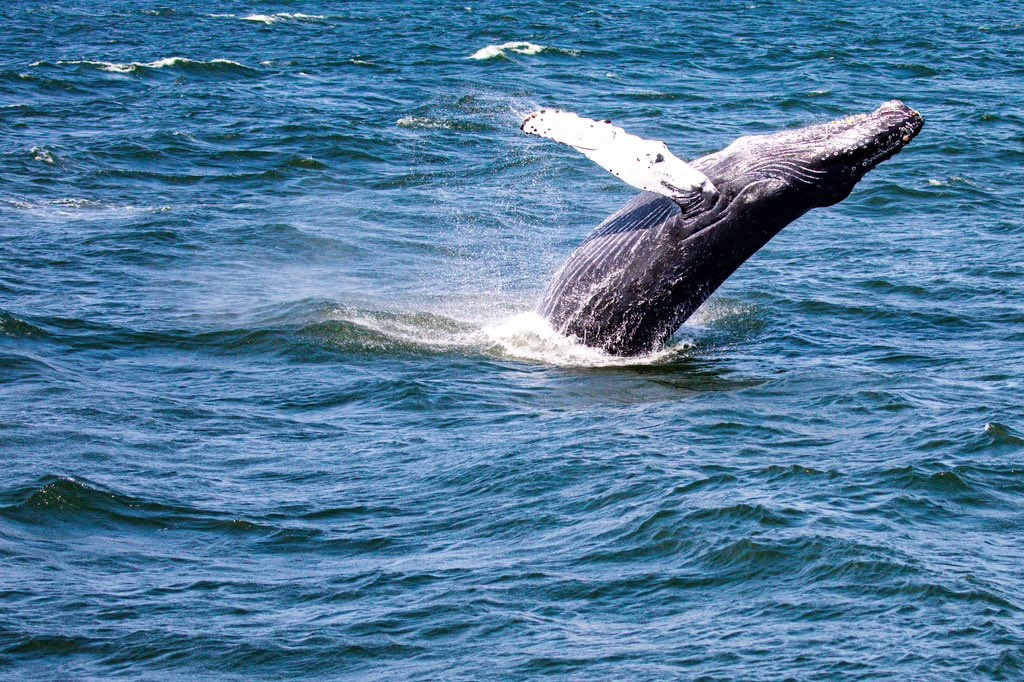
Winter favors humpback encounters; warmer, calmer months favor snorkeling visibility and smoother water.

Humpback season

Summer weekends (June–August) are the busiest on the water and at local marinas.

Prime whale watching, winter holidays, higher demand, and earlier sell-outs.

Snorkeling window

May–June–July–August–September–October

Typically gentler seas and clearer water for snorkeling trips.

Weather notes

Trade winds year-round

Late spring through early fall offers the most comfortable temperatures and the most reliable afternoon sea breezes. Summer brings steady thermally driven winds but also higher marina traffic and warm water. Autumn can deliver crisp, exhilarating days with cleaner air and stronger systems; winter brings occasional nor'easters and chilly exposure that make most recreational sailing limited.

Quieter opportunities

Late spring & summer weekdays

Shoulder seasons (May and September–October) are excellent for quieter slips, brisk sails, and lower charter demand; be prepared for more variable winds and cooler temperatures.

Match the trip to your comfort

Choose Your Experience Level

Low effort

Beginner

Introductory lessons and short, skippered day sails in the protected river and estuary. Ideal for learning basics like points of sail, tacking, and simple navigation.

  • Two-hour learn-to-sail lesson on the Navesink
  • Family-friendly afternoon river cruise
  • Introductory keelboat lesson with an instructor
Active day trip

Intermediate

Half-day or full-day outings that involve coastal planning, basic navigation to local landmarks, and sailing in moderate wind on the bay.

  • Full-day coastal hop toward Sandy Hook with a local skipper
  • Coastal day-sail practicing spinnaker sets and sail trim
  • Participating in a local club race or regatta
Longer or technical

Advanced

Longer passages, tidal planning for complex returns, night sailing, and solo or bareboat trips that require weather judgment and strong seamanship.

  • Overnight coastal leg to adjacent harbors
  • Bareboat passage planning and execution in Raritan Bay
  • Blue-water day with heavy-air sailing and tactical racing

Prepare for sun, spray, and swell

What to Bring

Essential

Core kit

  • USCG-approved life jacket (PFD) or confirmation that the operator provides them
  • Waterproof outer layer and windproof mid-layer
  • Non-marking, closed-toe deck shoes or clean sneakers
  • Sunglasses with retainer and broad-spectrum sunscreen
  • Water bottle and small snack
Recommended

Useful extras

  • Light foul-weather jacket with hood for spray
  • Hat with a brim and a strap for windy conditions
  • Small dry bag for phone and wallet
  • Compact binoculars for navigation and shoreline spotting
  • Basic seasickness remedies if you’re sensitive
Optional

Trip-specific

  • Waterproof camera or action cam with mount
  • Soft-shell gloves for winch work
  • Portable VHF or handheld radio (if you plan a bareboat day-sail)
  • Personal locator or small first-aid kit for longer outings
Check tide tables, VHF channels, and the marine forecast before you go; winds can shift quickly from river-calmed to bay-breezy.

Insider Tips & Local Knowledge

Reserve whale-watching and popular sunset cruises well ahead during December–April.
Choose morning snorkeling departures for calmer seas and better underwater visibility.
For motion sensitivity, choose a larger vessel, sit mid-ship, and take preventative medication before boarding.
Do not touch coral or wildlife, avoid standing on reefs, and use reef-safe sunscreen.
Community-based operators may add context about traditional navigation and stewardship.
Arrive early for parking and check-in because Waikiki departure areas can be busy.

Planning questions

Frequently Asked Questions

No—many operators run skippered charters and lessons designed for beginners. Bareboat charters typically require prior experience or certification, so check the listing or speak with the provider.
Sailing in Red Bank, New Jersey
Ready for your sailing adventure?

Browse 86 verified trips in Red Bank.

Compare current availability and book with instant confirmation.

Explore Red Bank sailing