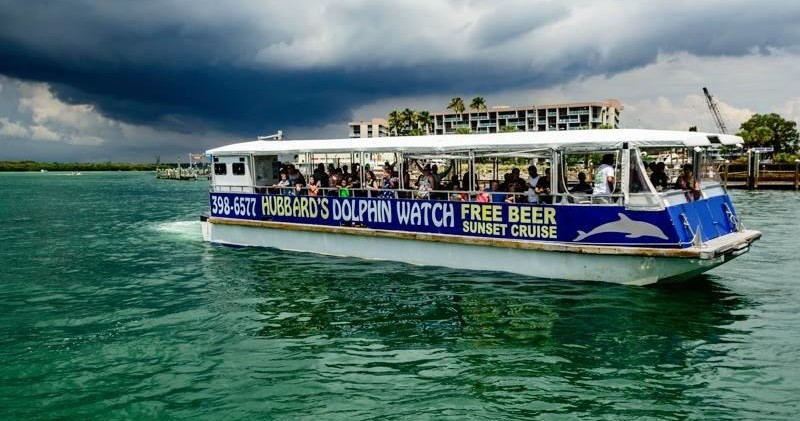
Redington Shores lives in the comfortable borderland between quick coastal access and the open Gulf, which is precisely why dolphins are a daily part of the town’s rhythm. These waters are shallow and warm, threaded with inlets and passes where baitfish concentrate—natural magnets for pod-feeding bottlenose dolphins. The predictable presence of dolphins here is not the product of forced encounters or captive attractions; it comes from a working coastline where animals follow food, currents, and a coastline that still supports healthy seagrass beds and nearshore forage. That said, every trip starts with respect: modern operators in Redington Shores lean into best practices for wildlife viewing, emphasizing distance, non-chasing approaches, and minimal noise to keep encounters natural and non-stressful.
On a morning outing, the scene often reads like a nature documentary: dorsal fins puncturing glassy water, calf-and-mother pairings weaving through wake lines, occasional acrobatic arcs. In winter and spring the Gulf calms and visibility improves, creating better conditions for small craft, paddlers, and snorkelers. Summer brings warmer waters and increased recreational traffic, but also long, slow evenings when pods feed close to shore under low light. For photographers and amateur naturalists, Redington Shores offers a high return on effort—short runs from the beach can place you among feeding pods and transient groups without hours of sea time.
Redington Shores also acts as a hub for layered experiences. You can pair a morning dolphin cruise with afternoon birding on nearby barrier islands, a sunset paddle through mangrove-lined inlets, or a private charter that doubles as a light-reef snorkel. Local guides combine natural history with practical guidance—how to read a pod’s behavior, where to position a vessel for observation without disruption, and what signs indicate stress or displacement. Environmental context matters: red tide events, seasonal weather, and fisheries activity all influence where dolphins travel, making local intel crucial to planning a meaningful trip. Ultimately, a successful dolphin outing here balances expectation with ethics: you’ll likely see dolphins if you pick the right operator and time, and you’ll come away with a stronger appreciation for the coastal ecology that supports them.
Redington Shores’ nearshore reefs, passes, and shallow bays concentrate prey—creating reliable viewing opportunities without long offshore runs.
Responsible operators prioritize non-invasive viewing, education, and minimizing marine disturbance; ask about their wildlife policies when booking.
The harbor is the gateway, and the Pacific becomes the classroom.
Combine dolphin watching with paddling, snorkeling, or shore-and-boat combos to broaden your coastal experience while minimizing extra travel.
Choose by purpose
Whale watching, snorkeling, sunset sailing, cultural canoeing, harbor sightseeing, or private chartering.
Start near the city
Waikiki and Honolulu Harbor are primary hubs, with some trips launching near Hanauma Bay.
Confirm the vessel
Gangways, shaded seating, and boarding requirements vary according to vessel size and operator.