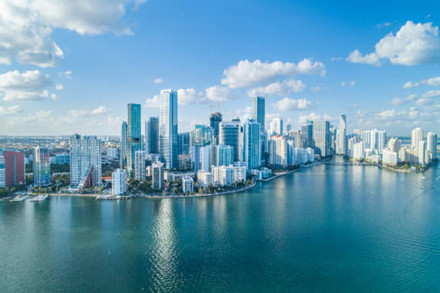
Richmond Heights offers a concentrated sightseeing palette that rewards curiosity. Unlike a single iconic landmark, the area’s appeal is composite: low-slung neighborhoods threaded with palms and banyans, shoreline corridors where the built environment meets saltwater, and pockets of public art and community institutions that reflect Miami–Dade’s multicultural fold. For travelers who like to read a place on foot or by water, Richmond Heights is satisfying because its stories are intimate—told in porches, murals, bay breezes, and the flavor of a local cafe.
Sightseeing tours here fall into a few clear veins. Walking and neighborhood tours foreground social and architectural history: mid-century homes, community parks, and the small-business corridors where immigrant entrepreneurship reshaped local commerce. Boat-based tours tilt toward ecology and vantage—short cruises along the bay or launches into mangrove edges that frame both wildlife and the evolving shoreline. Food-focused walks and market tours give a practical lens into culture; bites and conversations often reveal migration patterns, traditions, and seasonal celebrations that don't make a typical guidebook.
Part of Richmond Heights’ appeal is accessibility. It’s compact enough to be experienced in half a day but also close to larger regional systems—Biscayne Bay to the east, and the slow-parked wetlands and mangrove estuaries that feed into the Everglades ecosystem. That adjacency means a sightseeing itinerary can be layered: a morning neighborhood walk, an afternoon eco-boat trip, and an evening food tour or waterfront sunset viewing. For photographers and birdwatchers, the mix of urban edges with salt-adapted habitat creates contrast-rich scenes—shoreline sunrises, mangrove silhouettes, and candid street portraits.
Practical considerations shape how you plan. Summers bring classic South Florida humidity and frequent afternoon storms; winter and spring are drier and attract the bulk of visitors. Tours that include boats or shoreline stops depend on tides and sea conditions, while walking tours are often cooler and more comfortable in the morning. For traveler confidence, select operators that prioritize small groups, local guides, and clear accessibility notes—many tours are adaptable for mixed-mobility groups, though some boat or mangrove entries require basic agility. Above all, Richmond Heights rewards a slow, attentive approach: move at walking speed, listen to local voices, and allow a short detour for an unplanned viewpoint or cafe table.
Because the area sits near both urban neighborhoods and coastal wetlands, sightseeing options pair naturally with kayaking, birding, and short bike routes.
Small-group and private tours offer the best balance of context and comfort—especially for tours that visit residential areas or ecological zones.
The harbor is the gateway, and the Pacific becomes the classroom.
Timing matters: mornings and late afternoons provide the most forgiving temperatures and the best light for photography.
Choose by purpose
Whale watching, snorkeling, sunset sailing, cultural canoeing, harbor sightseeing, or private chartering.
Start near the city
Waikiki and Honolulu Harbor are primary hubs, with some trips launching near Hanauma Bay.
Confirm the vessel
Gangways, shaded seating, and boarding requirements vary according to vessel size and operator.