Why Rockledge Is a Standout Dolphin Destination
There’s a rare everyday magic to seeing dolphins in Rockledge: it’s not the staged spectacle of a theme-park encounter but the quiet choreography of animals living in a complex estuary. The Indian River Lagoon is one of North America’s most biodiverse estuaries, and its shallow channels, sandbars, and mangrove tangles create a living highway for bottlenose dolphins. In the early morning the water is glassy, and you’ll often spot a curving dorsal fin or the quick flash of a calf as dolphins thread through seagrass beds. From the causeways you can watch pods slice past at high tide; from a kayak you can lean in, listen to the water, and feel the current change as a mother navigates a nursery.
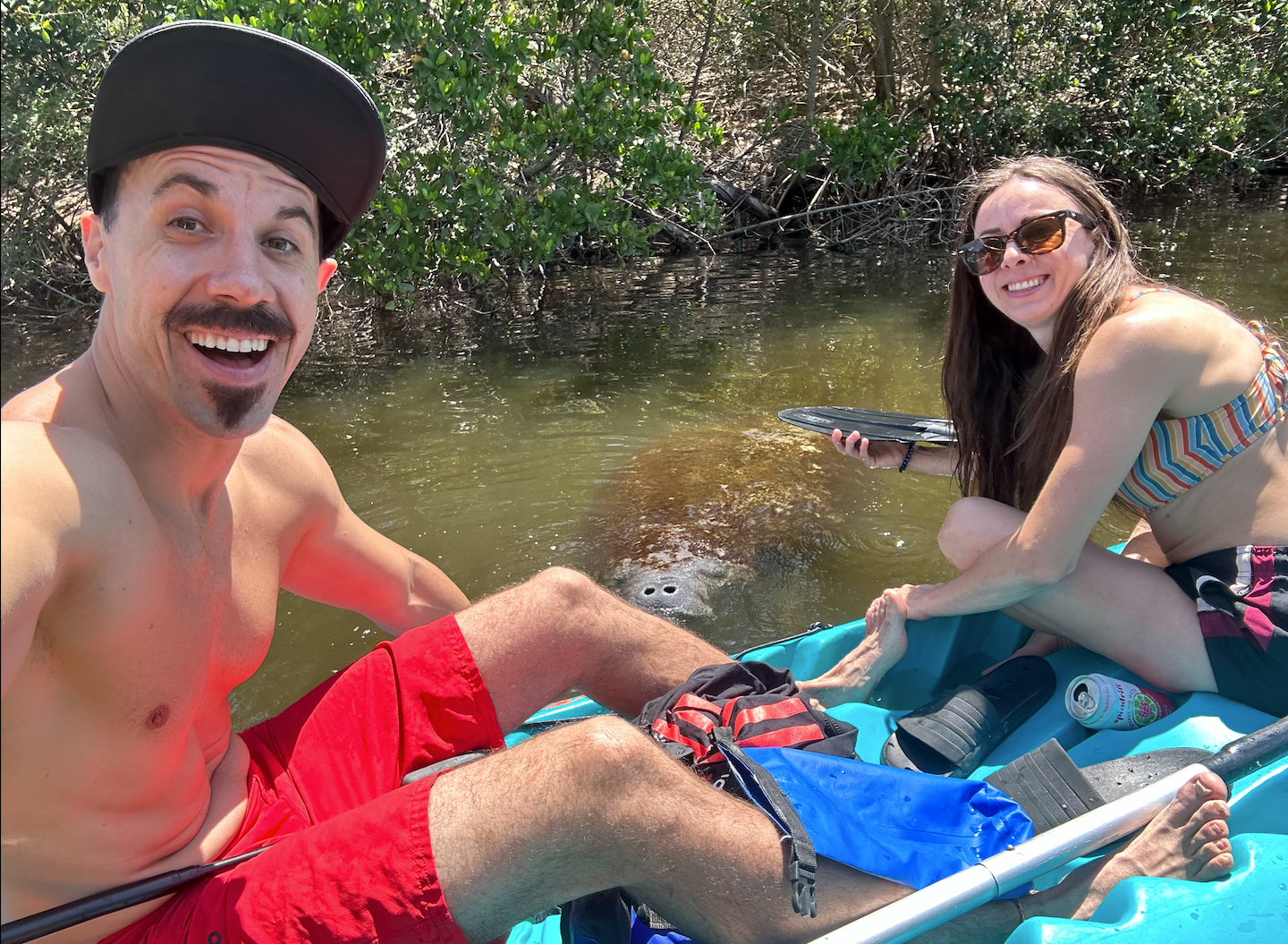
Rockledge’s dolphin experience is intimate rather than grandiose. Tours here favor small vessels and human-scale outings—skiffs, flats boats, and tandem kayaks—that let you read the water edge, follow migratory fish, or tuck into a quiet creek where dolphins come to forage or rest. Because the lagoon is shallow and micro-habitat rich, visits often combine dolphin viewing with close encounters of other coastal life: roseate spoonbills probing mudflats, industrious oystercatchers along jetties, and manatees grazing on seagrass. That ecological variety is part of the appeal: a dolphin day can be half nature-study, half meditation at water level.
The region’s human history threads through the experience too. Indigenous peoples and early coastal settlers lived by a rhythm dictated by tides, fish runs, and weather; modern Rockledge balances residential charm with access to working boat ramps, research stations, and conservation groups that monitor lagoon health. Visiting thoughtfully means recognizing the lagoon’s fragility: water quality, habitat loss, and boat disturbance affect the same dolphins you came to see. Many local outfitters double as stewards—offering interpretation, citizen-science opportunities, and a commitment to non-invasive viewing practices. That combination of ecological richness, small-boat intimacy, and conservation-minded operators is why Rockledge is one of the Space Coast’s most compelling places to meet wild dolphins.
Small-boat and paddle outings are the norm. Expect guides who prioritize quiet, observe regulatory distance recommendations, and read dolphin behavior to minimize disturbance.
Because sightings are influenced by tides, baitfish movements, and weather, flexibility—especially for launch times—will improve your chances of a memorable encounter.