Top 31 Photography Tours in Roma, Lazio
Roma Photography Tour Guide

Top 31 Photography Tours in Roma, Lazio

Rome repurposes time into texture and light. Photography tours here move between millennia—sunrise at the Colosseum, midday alleyways in Trastevere, gold-leaf interiors in Renaissance churches, and riverside reflections at dusk. This guide focuses on photography-specific tours: sunrise and sunset sessions, night-light long-exposure walks, market and street-photography outings, and specialized rooftop and early-access shoots that help photographers frame Rome’s stories with intention and technical confidence.

Colosseum & Roman ForumVatican & St. Peter'sTrastevere & Tiber RiverPincian Hill & Villa BorgheseAventine & Circus Maximus

Live destination inventory

Top Photography Tour Trips in Roma

31 trips · Book with confidence · Instant confirmation

The prototype intentionally does not invent replacement trip cards or add images that are not already part of the live source page.

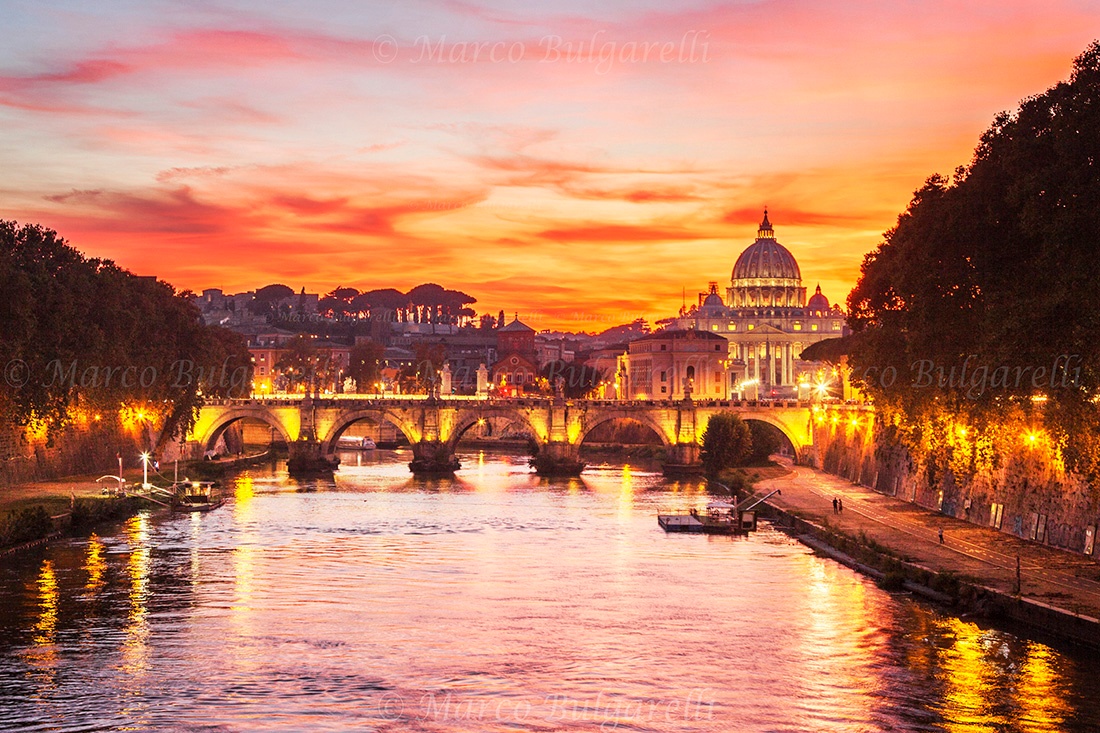
The city from the water

Why Roma Is a Standout Photography Tour Destination

Rome is the rare city where history behaves like a light source: it refracts, layers, and reshapes the day. For photographers, that means an endless set of compositions waiting behind narrow doorways, across cobbled lanes and on the classic axial views that cut through the city. A sunrise shoot at the Colosseum, when scaffolding falls into silhouette and the first warm light brushes travertine, feels different from the mid-morning drama of market stalls at Campo de' Fiori, where color, gesture and commerce collide. The city’s texture—peeling stucco, barley-colored stone, sculpted cornices and immaculate marble—becomes the primary subject for architectural studies, while quotidian life provides the improvisational theater for street photographers. Seasonality in Rome is generous: spring and autumn offer the soft, directional light that flatters both architecture and faces; summer delivers late golden hours and neon-lit piazzas at a price of heat and crowds; winter lowers the sun for long shadows and foggy mornings along the Tiber, rewarding those who tolerate chill for quiet compositions. The city’s vertical layers—from subterranean ruins to rooftop terraces—allow photographers to tell stories at multiple scales. A telephoto compression of domes and chimneys from a high vantage feels cinematic. Down in the alleys, 35mm frames capture gestures, gestures repeated in time like old postcards reanimated. Photography tours in Rome are as varied as the city’s neighborhoods. Guided sunrise shoots around the monuments emphasize timing and tripod techniques; midday market tours focus on candid portraiture, fast primes and working with local light; evening long-exposure walks teach neutral-density filters and the ways neon and streetlight paint old stone. Many tours pair technical coaching with local context—history, architecture, and practical access—helping photographers understand not only how to compose but why a perspective matters. Complementary experiences—food walks in Testaccio, Vespa-backed scouting trips to lesser-known viewpoints, or a half-day excursion to nearby Ostia Antica for ruins with open skies—can broaden the creative palette. Practical rhythm matters. Rome rewards scouts and second chances: the same vista at 06:15, 10:00 and 20:30 will yield three distinct stories. Expect to trade comfort for quiet light—early mornings and late evenings are crowded by the pursuit of golden hour—and plan your gear for mobility and weather. Respect for sacred interiors, private terraces and locals is non-negotiable: great photographs come from patience, permission and the curiosity to look twice. In short, Rome is a laboratory for photographers: its history supplies subject matter, its streets supply color and motion, and well-run photography tours supply the technical frameworks to turn observations into striking images.

From the macro detail of carved capitals and ancient graffiti to wide-angle panoramas of domes and rooftops, Rome supports a broad photographic practice. Tours range from beginner-friendly photowalks to portfolio-focused, guide-led sessions that include critiques and post-shoot feedback.

Timing and location are critical. Sunrise and blue hour around major monuments reduce crowds and deliver clean light; markets, bakeries and neighborhood trattorie provide dynamic street scenes during mid-morning and afternoon; winter mornings offer low-angle light and quieter public spaces.
Activity focus

Choose by purpose

Whale watching, snorkeling, sunset sailing, cultural canoeing, harbor sightseeing, or private chartering.

Departure hubs

Start near the city

Waikiki and Honolulu Harbor are primary hubs, with some trips launching near Hanauma Bay.

Accessibility

Confirm the vessel

Gangways, shaded seating, and boarding requirements vary according to vessel size and operator.

Seasonal planning

Best Time to Visit

Roma is warm year-round, but wind, swell, migration, visibility, and demand change the best match between traveler and trip.

Roma boat tour
Year-round destination

Seasonal highlights change the reason to go

Winter favors humpback encounters; warmer, calmer months favor snorkeling visibility and smoother water.

Humpback season

April–June and September (holiday and festival periods increase visitation)

Prime whale watching, winter holidays, higher demand, and earlier sell-outs.

Snorkeling window

April–May–September–October

Typically gentler seas and clearer water for snorkeling trips.

Weather notes

Trade winds year-round

Spring and fall offer mild temperatures and directional light that flatters architecture and portraits. Summers are hot with strong midday contrast and larger crowds; winter delivers low sun angles, occasional fog and quieter public spaces.

Quieter opportunities

Late spring & summer weekdays

Winter weekdays provide quieter monuments and long shadows ideal for moody compositions; early mornings year-round reduce crowds for monument shoots.

Match the trip to your comfort

Choose Your Experience Level

Low effort

Beginner

Short guided photowalks that cover basic composition, exposure and working with Rome’s light; low physical demand.

  • Morning photowalk in Trastevere and along the Tiber
  • Compact-camera tour of Piazza Navona and surrounding lanes
  • Market photography at Campo de' Fiori (daytime)
Active day trip

Intermediate

Half-day to full-day tours emphasizing lens choices, manual settings, and mid-level composition techniques; some walking and stairs.

  • Sunrise Colosseum and Roman Forum session with tripod techniques
  • Rooftop sunset session overlooking the Pantheon and domes
  • Night long-exposure walk through illuminated monuments
Longer or technical

Advanced

Custom workshops and portfolio reviews that include technical work (bracketing, focus stacking), specialized access, and post-shoot critique; may include early access or private rooftop sessions.

  • Private early-access interior shoot (churches/museums where available)
  • Architectural detail study with tilt-shift or focus-stacking workflow
  • Extended workshop combining field shoots and on-site image review

Prepare for sun, spray, and swell

What to Bring

Essential

Core kit

  • Primary camera body and at least one versatile zoom (24–70mm or similar) or a set of primes
  • Travel tripod (compact) — note: tripods may be limited in some interiors or busy piazzas
  • Spare batteries and memory cards
  • Comfortable walking shoes and a small daypack
  • Weather protection for gear (rain cover) and an all-weather jacket for yourself
Recommended

Useful extras

  • Fast prime (35mm or 50mm) for street and low-light interiors
  • Telephoto (70–200mm) for compressed architectural shots and distant details
  • Polarizer and ND filters for water reflections and long exposures
  • Portable USB power bank and universal travel adapter
  • Small microfiber cloth and lens blower
Optional

Trip-specific

  • Lightweight monopod for crowded areas
  • Compact laptop or tablet for quick image review on multi-day tours
  • Local SIM or data plan for maps and image transfer
  • Notebook for jotting locations, light conditions and shooting notes
Always verify access rules, opening hours, and any site-specific restrictions before booking or arriving.

Insider Tips & Local Knowledge

Reserve whale-watching and popular sunset cruises well ahead during December–April.
Choose morning snorkeling departures for calmer seas and better underwater visibility.
For motion sensitivity, choose a larger vessel, sit mid-ship, and take preventative medication before boarding.
Do not touch coral or wildlife, avoid standing on reefs, and use reef-safe sunscreen.
Community-based operators may add context about traditional navigation and stewardship.
Arrive early for parking and check-in because Waikiki departure areas can be busy.

Planning questions

Frequently Asked Questions

Public outdoor spaces generally permit tripods, though individual sites—especially within museums or churches—may restrict or prohibit them. Check rules for specific locations and confirm with your tour operator when booking interior shoots or rooftop access.
Top 31 Photography Tours in Roma, Lazio
Ready for your photography tour adventure?

Browse 31 verified trips in Roma.

Compare current availability and book with instant confirmation.

Explore Roma photography tour