Why Saddle Brook Works for Air Activities
Saddle Brook sits where suburban gridlines meet wide, low wetlands—the Meadowlands carving a horizontal expanse that makes the borough feel closer to the sky than its compact streets would suggest. The immediate landscape is not mountain country or sweeping plains, but that juxtaposition is an advantage: Saddle Brook’s proximity to small airports and airstrips in Bergen and neighboring counties, and its short drive to the metropolitan aerial network serving New York City, give travelers access to an unusually broad palette of airborne experiences. From a logistical perspective, the town is a practical hub. You can be at a helipad, a small fixed‑wing airfield, or a drop zone within 20–60 minutes of Saddle Brook depending on traffic—turning what might otherwise be a half-day commitment into a dawn departure and afternoon recap.
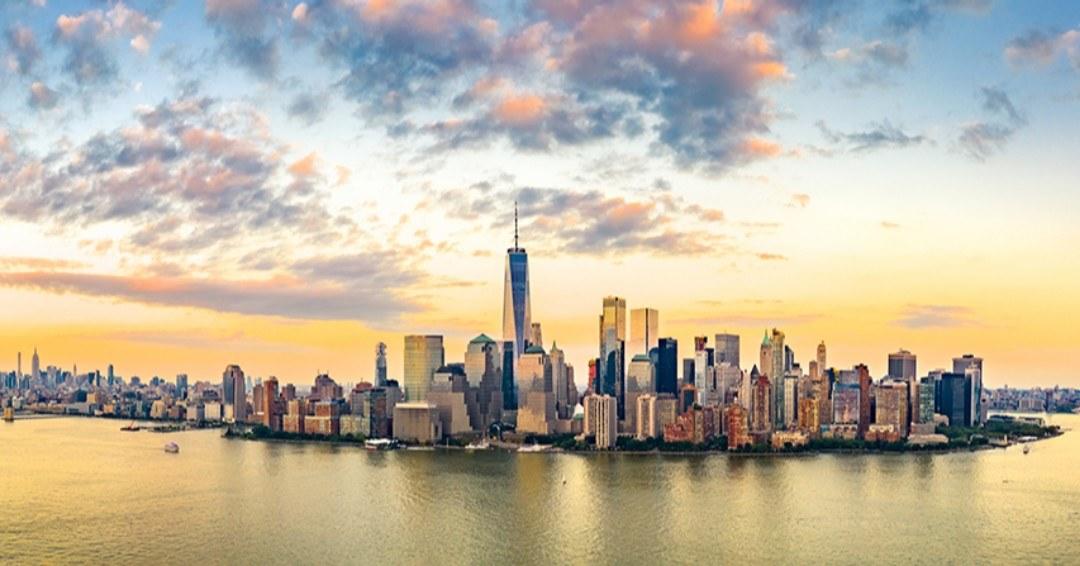
Beyond convenience, the character of air activities accessible from Saddle Brook is varied. Helicopter tours run loops over the Hudson and Manhattan skyline for a high-velocity, photographic view of the urban canyons. Fixed-wing scenic flights and light-sport aircraft offer gentler, panoramic perspectives that favor longer lines of sight across the Meadowlands and out toward the Watchung Hills. Hot-air balloons, while usually launched from less urbanized launch fields, are seasonal and tend to congregate at nearby larger open grounds or farms—these are sunrise affairs, when thermals are calm and the light softens industrial silhouettes into painterly form. For the bold, tandem skydiving and sport parachute operations are a drive out, but popular enough to be a frequent weekend plan for Saddle Brook residents seeking high-adrenaline airtime.
There are constraints to respect: the regional airspace around NYC is complex, tightly controlled, and sometimes punctuated by temporary flight restrictions. That reality means most activities are run by licensed operators who handle clearances and safety protocols; independent low-altitude experiments are neither practical nor legal for casual visitors. Weather is a central arbiter of success—wind, visibility, and thermal activity determine whether a dawn balloon inflates or a helicopter lifts. For planning, expect early-morning or late-afternoon windows to be the most reliable for calm conditions, and build flexible days around operator weather policies.
Finally, the ecological and cultural context matters. Flights over the Meadowlands reveal the unlikely ecology of tidal wetlands, migrating birds, and the industrial spine of the metropolitan area; pilots and operators often fold these narratives into tours, creating experiences that are as interpretive as they are scenic. For travelers, Saddle Brook is less a destination for air activity in its own right than a strategic spot from which to reach a cluster of richly different airborne options—each with its own rhythm, risk profile, and seasonal logic.
The variety and proximity are the draw: short helicopter hops for skylines, longer fixed‑wing scenic flights, driven launch points for ballooning at dawn, and reachable drop zones for skydiving all sit within a practical drive time of Saddle Brook.
Operational realities shape experience: controlled airspace, seasonal wind patterns, and local wetlands influence timing and availability, while licensed operators handle authorizations and safety so visitors can focus on the view and the feeling.