Sailing in Saint Johns, Florida — Tides, Inlets & Marshwater Routes
Saint Johns Sailing Guide

Sailing in Saint Johns, Florida — Tides, Inlets & Marshwater Routes

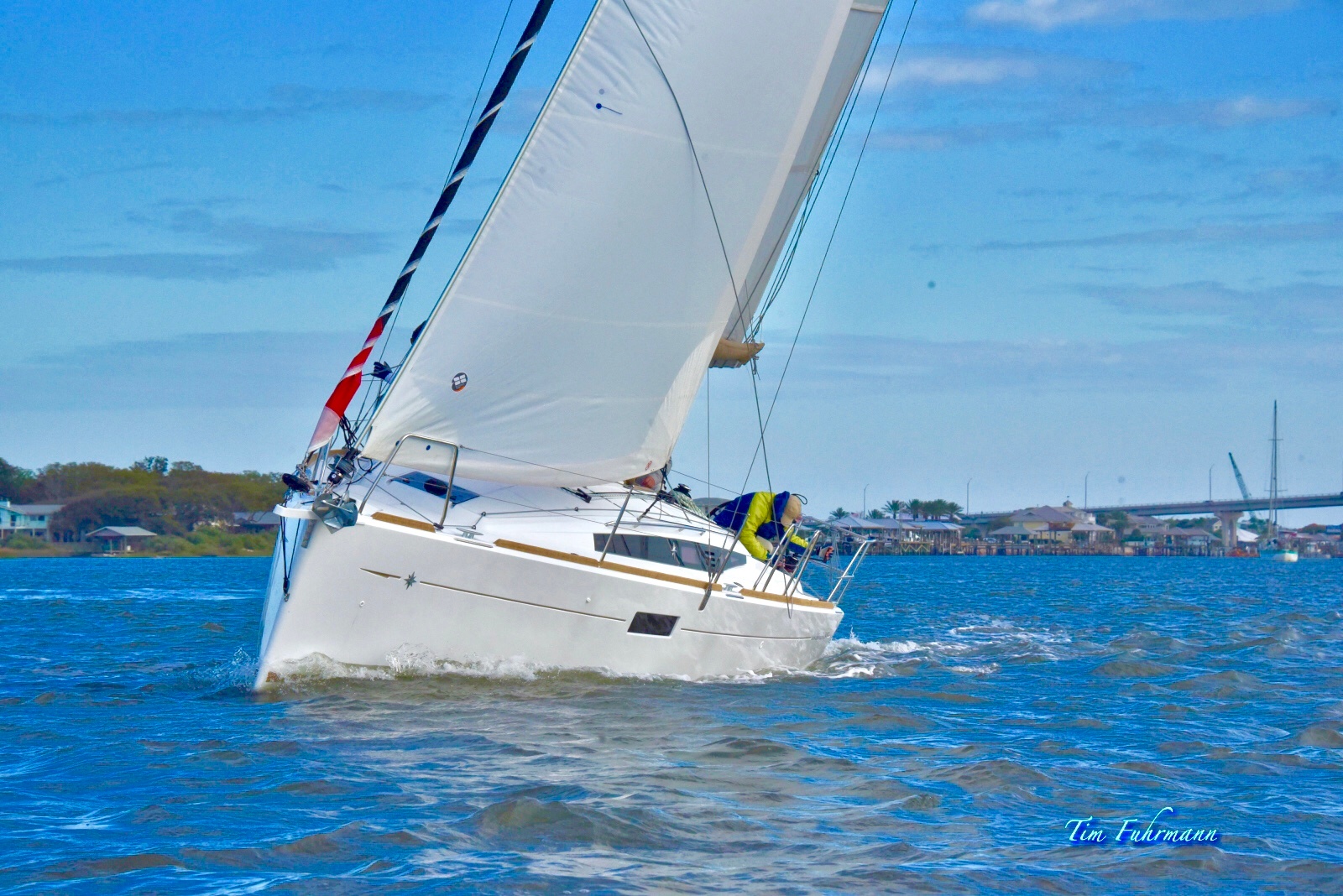
Salt-bright wind, broad oyster bars, and a tangle of rivers and marsh creeks make Saint Johns County an intimate and varied sailing playground. From gentle afternoon reaches along the Intracoastal to navigationally interesting trips through tidal inlets and toward barrier islands, sailing here blends accessible coastal cruising with pockets of quiet wilderness. This guide focuses on what to expect on the water — the terrain, seasonal wind patterns, trip styles, and practical planning to help you pick the right boat, route, and timing for the day you want to spend afloat.

Intracoastal WaterwayMatanzas RiverGuana Tolomato Matanzas ReserveSt. Augustine Inlet

Live destination inventory

Top Sailing Trips in Saint Johns

48 trips · Book with confidence · Instant confirmation

The prototype intentionally does not invent replacement trip cards or add images that are not already part of the live source page.

The city from the water

Why Saint Johns Is a Standout Sailing Destination

Sailing Saint Johns is a study in contrasts: wide, buffer-like estuaries that slow the world down, and small, sharp features—shoals, inlets, pilings—that demand attention and respect. The region’s maritime landscape is shaped by the meeting of Atlantic swells and tidal rivers, producing conditions that are both beginner-friendly and endlessly varied for more seasoned sailors. Matanzas River and the Intracoastal Waterway carve a sheltered route along St. Johns County, offering protected day-sails where sea state is often gentle and the navigation is more about markers and shoal awareness than heavy-weather seamanship. Venture toward the St. Augustine Inlet and the coastline opens: choose an easy downwind jaunt when the breeze pipes up, or test your helmsmanship with stronger coastal gusts and tidal flows. Beyond wind and water, sailing here is a cultural and ecological trip. The coastline threads past colonial-era sites, forts, and lighthouses—reminders that these waterways have carried commerce, conflict, and curiosity for centuries. Ecologically, the region is remarkably productive: salt marshes, seagrass beds, and tidal creeks form nurseries for fish and feeding grounds for shorebirds, while dolphins and sea turtles are common companions on a good day. Protected reserves like the Guana Tolomato Matanzas National Estuarine Research Reserve underline both the fragility and the wildness you’ll be skimming across. Sailing in Saint Johns therefore feels like passing through layered histories—natural and human—where every marker, sandbar, and bend in the channel has a story. From a practical standpoint, the area offers a wide spectrum of sailing experiences. Families and newcomers gravitate toward marina-based day sails and sunset cruises that prioritize comfort and simple lines. Cruising sailors will appreciate nearby anchorages and barrier-island stops for beachside evenings and seafood shacks within reach of a gentle mooring. For those seeking skills development, local sailing schools and charter operators provide lessons in everything from basic sail trim to coastal navigation and anchoring techniques specific to tidal estuaries. And competitive sailors will find club races and informal downwind runs that make use of the predictable afternoon sea breeze patterns. The upshot is that Saint Johns accommodates a range of ambitions — from a slow drift among marsh islands to an engaged day of coastal tactics — all within short runs from convenient launch points and marinas.

Protected waterways like the Intracoastal and Matanzas River make for forgiving, family-friendly sails while still offering tactical navigation through markers, shoals, and channel bends.

The mix of sheltered estuaries and exposed inlets provides options for both sheltered-sail days and more spirited coastal runs, depending on wind and tide.

The harbor is the gateway, and the Pacific becomes the classroom.

Nearby cultural sites, reserves, and seafood towns create easy onshore options to pair with a day afloat—ideal for multi-activity trips that blend sailing with historical and ecological exploration.
Activity focus

Choose by purpose

Whale watching, snorkeling, sunset sailing, cultural canoeing, harbor sightseeing, or private chartering.

Departure hubs

Start near the city

Waikiki and Honolulu Harbor are primary hubs, with some trips launching near Hanauma Bay.

Accessibility

Confirm the vessel

Gangways, shaded seating, and boarding requirements vary according to vessel size and operator.

Seasonal planning

Best Time to Visit

Saint Johns is warm year-round, but wind, swell, migration, visibility, and demand change the best match between traveler and trip.

Saint Johns boat tour
Year-round destination

Seasonal highlights change the reason to go

Winter favors humpback encounters; warmer, calmer months favor snorkeling visibility and smoother water.

Humpback season

Late spring through early fall for recreational boating and charters; summer holiday weekends see the busiest marinas and beaches.

Prime whale watching, winter holidays, higher demand, and earlier sell-outs.

Snorkeling window

April–May–June–July–August–September–October

Typically gentler seas and clearer water for snorkeling trips.

Weather notes

Trade winds year-round

Warm, humid summers with regular afternoon sea breezes; spring and fall offer the most comfortable temperatures and steady wind. Afternoon thunderstorms are common in summer; hurricane season runs June through November and can affect late-season plans.

Quieter opportunities

Late spring & summer weekdays

Winter and early spring provide calmer waters, fewer crowds, and lower marina traffic—good for training sails and solitary dawn runs, though nights can be cool and northerly winds stronger.

Match the trip to your comfort

Choose Your Experience Level

Low effort

Beginner

Short, sheltered sails on the Intracoastal or river sections with calm waters and easy access to marinas. Ideal for families and first-timers.

  • Sunset family cruise on Matanzas River
  • Introductory sailing lesson in protected waterways
  • Half-day charter with a captain to nearby island beaches
Active day trip

Intermediate

Coastal day sails that require basic navigation, anchoring in shallow coves, and awareness of tides and local channels.

  • Day cruise to a barrier-island anchorage and beach landing
  • Tidal-inlet crossing timed with favorable slack water
  • Overnight anchored outing with simple coastal passage planning
Longer or technical

Advanced

Extended coastal passages, offshore day sails, participation in local regattas, and passages requiring strong navigation and weather planning.

  • Offshore beat along the coast toward St. Augustine Inlet
  • Participating in club races and distance events
  • Multi-day coastal cruises requiring tide and weather optimization

Prepare for sun, spray, and swell

What to Bring

Essential

Core kit

  • Layered, water-resistant clothing and a wind shell
  • Deck shoes or non-marking grip footwear
  • Personal flotation device (PFD) if not provided by operator
  • Sunglasses with retainer and reef-safe sunscreen
  • Reusable water bottle and seasickness remedies if prone
Recommended

Useful extras

  • Light foul-weather jacket for spray and cool evenings
  • Hat with straps and quick-dry clothing
  • Portable dry bag for phone, camera, and small valuables
  • Printed paper chart or downloaded electronic charts for local waterways
  • Small first-aid kit and basic knife or multitool
Optional

Trip-specific

  • Binoculars for bird and boat spotting
  • Underwater camera for clear shallow anchorages
  • Light inflatable dinghy or paddleboard when anchoring off barrier islands
  • Handheld VHF radio if sailing on a privately owned vessel
Check tides, charts, and weather before every departure; local shoals shift and coastal winds can change quickly.

Insider Tips & Local Knowledge

Reserve whale-watching and popular sunset cruises well ahead during December–April.
Choose morning snorkeling departures for calmer seas and better underwater visibility.
For motion sensitivity, choose a larger vessel, sit mid-ship, and take preventative medication before boarding.
Do not touch coral or wildlife, avoid standing on reefs, and use reef-safe sunscreen.
Community-based operators may add context about traditional navigation and stewardship.
Arrive early for parking and check-in because Waikiki departure areas can be busy.

Planning questions

Frequently Asked Questions

Many skippered charter options include a captain, so no license is required for guests. Bareboat charters generally require evidence of sufficient sailing experience or certification—check with each operator for their requirements.
Sailing in Saint Johns, Florida — Tides, Inlets & Marshwater Routes
Ready for your sailing adventure?

Browse 48 verified trips in Saint Johns.

Compare current availability and book with instant confirmation.

Explore Saint Johns sailing