Top Sightseeing Tours in Saint Johns, Florida
Saint Johns Sightseeing Tour Guide

Top Sightseeing Tours in Saint Johns, Florida

Saint Johns County stitches together barrier-island beaches, tidal marshes, and one of the nation's oldest colonial towns into a compact corridor of easy, highly rewarding sightseeing. Tours here are rarely just one thing—boat captains double as naturalists, walking guides thread together centuries of history, and bike routes become wildlife corridors. This guide focuses on curated sightseeing experiences: coastal and estuary boat trips, historic walking tours through St. Augustine’s shadow, scenic drives along A1A and coastal overlooks, and guided nature walks across preserved marsh and maritime hammock. Whether you want a short interpretive cruise to see dolphins and egrets, a photo-focused sunrise tour along the dune line, or a relaxed history stroll with frequent stops, Saint Johns’ sightseeing options are compact, accessible, and profoundly place-based.

St. Johns RiverGuana Tolomato Matanzas NERRHistoric St. AugustinePonte Vedra Beach

Live destination inventory

Top Sightseeing Tour Trips in Saint Johns

19 trips · Book with confidence · Instant confirmation

The prototype intentionally does not invent replacement trip cards or add images that are not already part of the live source page.

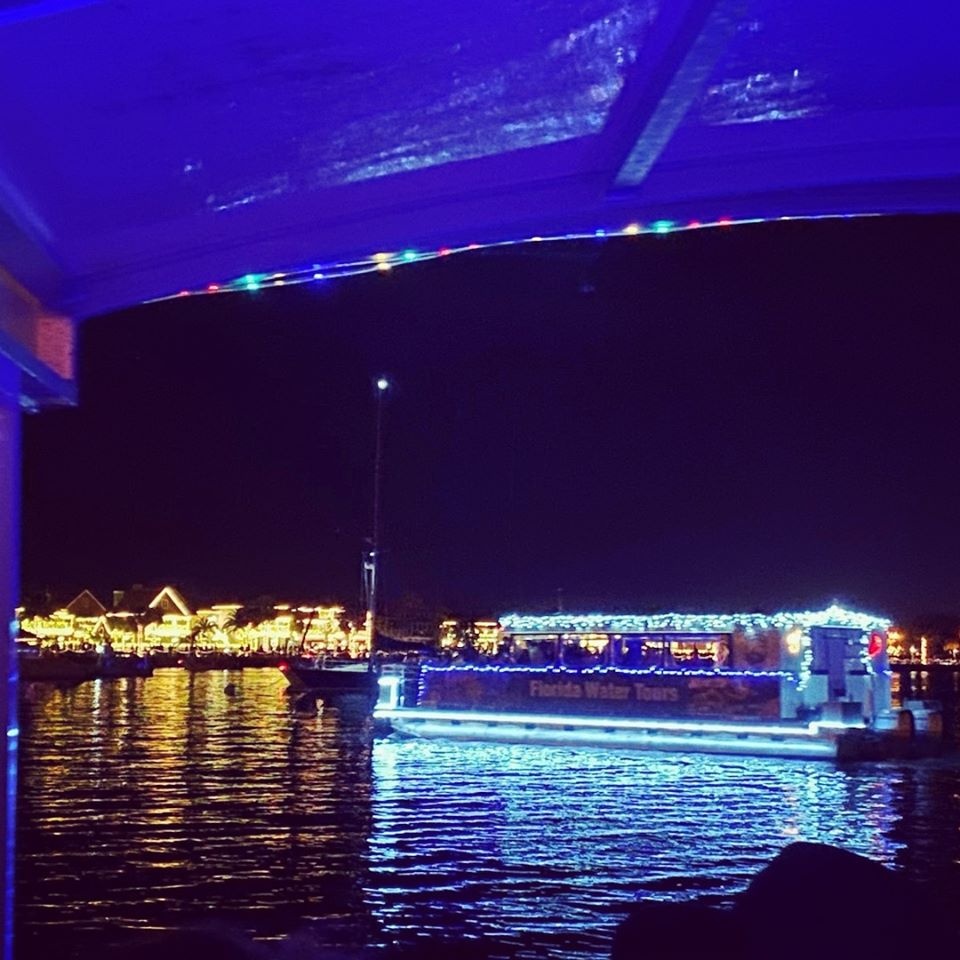
The city from the water

Why Saint Johns Is a Standout Sightseeing Destination

There are destinations where sightseeing feels like checking boxes; Saint Johns is not one of them. Here a tour is an invitation to read the coast as a layered story: Spanish cannon fire and colonial streets in St. Augustine, a braided system of tidal creeks that feed the St. Johns River, and low-slung dunes that shelter migratory shorebirds. Sightseeing tours in Saint Johns excel because they compress variety into short itineraries—an hour-long estuary cruise can deliver dolphin pods, a nesting oystercatcher, and a working shrimp boat passing inshore; a two-hour walking tour can move from moss-draped Spanish oaks to colonial masonry with the same guide connecting ecology and human history. Light and water are the region’s twin characters. Morning tours catch the estuary glassy and still, with pink-backed clouds reflected across salt pans; late afternoon tours lean into long shadows, cold fronts, or the electric clarity that follows summer storms. Guides use tides as a structural element of storytelling: shell middens and oyster bars reveal themselves at low water, while high tides bring manatees and feeding shorebirds into the shallows. Unlike alpine sightseeing that depends on summits, Saint Johns’ best views are intimate—close-up encounters with wildlife, framed vistas of barrier islands, and the hidden histories of canals, lighthouses, and fort walls. Sightseeing here is also quietly democratic. Many tours are wheelchair-friendly or low-impact walking routes, boat decks are often open and unobstructed for close viewing, and several coastal overlooks and boardwalks offer accessible vantage points. Ecotourism and cultural-tour operators pay close attention to seasonality: spring and fall migrations swell bird numbers; winter temperatures make long shoreline walks pleasant; summer offers lush marsh growth and dramatic storm-lit skies but demands planning around heat and afternoon thunderstorms. For travelers who want more than passive observation, sightseeing in Saint Johns pairs naturally with kayaking, biking, and shallow-water snorkeling—each complements guided tours, letting visitors move from narrated context to personal exploration. Finally, the county’s conservation ethic gives sightseeing depth. Protected tracts—estuaries, maritime hammocks, and beach dunes—mean many tours function as both recreation and education. Guides often discuss stewardship: how tidal rhythms shape local fisheries, how shoreline restoration benefits nesting turtles, and why nocturnal light pollution matters to migrating birds. For photographers, naturalists, and curious travelers, Saint Johns converts short, well-designed sightseeing tours into layered experiences: each stop is a small lesson in geology, ecology, and regional memory, delivered with the breezy hospitality of Florida’s First Coast.

Sightseeing in Saint Johns is compact and accessible—standalone short tours work well for travelers on tight schedules, while linked experiences (boat + walking tour or bike + beach stop) create half-day immersions without long drives.

Because the landscape is tidal and seasonal, the best sightings hinge on timing: book estuary cruises around high tide for marine mammals and low-tide walks for exposed oyster bars and migratory shorebirds.
Activity focus

Choose by purpose

Whale watching, snorkeling, sunset sailing, cultural canoeing, harbor sightseeing, or private chartering.

Departure hubs

Start near the city

Waikiki and Honolulu Harbor are primary hubs, with some trips launching near Hanauma Bay.

Accessibility

Confirm the vessel

Gangways, shaded seating, and boarding requirements vary according to vessel size and operator.

Seasonal planning

Best Time to Visit

Saint Johns is warm year-round, but wind, swell, migration, visibility, and demand change the best match between traveler and trip.

Saint Johns boat tour
Year-round destination

Seasonal highlights change the reason to go

Winter favors humpback encounters; warmer, calmer months favor snorkeling visibility and smoother water.

Humpback season

Late fall through spring—holiday travel and spring break increase visitation, especially near St. Augustine and beach corridors.

Prime whale watching, winter holidays, higher demand, and earlier sell-outs.

Snorkeling window

November–December–January–February–March–April

Typically gentler seas and clearer water for snorkeling trips.

Weather notes

Trade winds year-round

Cooler, drier months (Nov–Apr) are most comfortable for walking and wildlife viewing; summer brings heat, humidity, and frequent afternoon thunderstorms that can shorten outdoor tours.

Quieter opportunities

Late spring & summer weekdays

Summer offers quieter beaches and sometimes lower tour prices; early-morning departures avoid heat and maximize wildlife sightings.

Match the trip to your comfort

Choose Your Experience Level

Low effort

Beginner

Short, low-effort tours ideal for casual travelers and families—boardwalks, short walking tours in historic districts, and brief estuary cruises.

  • 1-hour estuary wildlife cruise
  • Historic walking tour of St. Augustine plazas and fort exteriors
  • Scenic drive with dune overlook stops
Active day trip

Intermediate

Longer half-day tours that combine modes—guided kayak paddles, extended narrated boat trips, or walking tours that include small hikes on coastal preserves.

  • Half-day birding cruise with guided spotting
  • Guided kayak tour through tidal creeks
  • Combined walking and museum-focused historic tour
Longer or technical

Advanced

Active, immersive options for travelers seeking deeper time or physical engagement—multi-stop photo safaris, guided sea-kayak excursions, or customized private charters focused on ecology or history.

  • Full-day private estuary and barrier-island charter
  • Specialty photography sunrise tour on the dune line
  • Guided multi-environment naturalist excursion (marsh to maritime hammock)

Prepare for sun, spray, and swell

What to Bring

Essential

Core kit

  • Sun protection: hat, sunglasses, SPF 30+ sunscreen
  • Light rain shell for sudden showers
  • Reusable water bottle (hydration is key in summer)
  • Camera or phone with spare battery or power bank
  • Binoculars for birding and estuary viewing
Recommended

Useful extras

  • Light layers for cooler mornings and breezy boat decks
  • Insect repellent for marsh and shoreline walks
  • Comfortable walking shoes with grip for boardwalks and cobbled streets
  • Small dry bag for electronics on boat tours
Optional

Trip-specific

  • Polarizing filter or sunglasses for reducing glare on water
  • Field guide app or pocket bird guide
  • Travel umbrella for sun or sudden showers
Check tide charts and weather forecasts before booking; communicate accessibility needs with operators; and pack for both sun and sudden showers.

Insider Tips & Local Knowledge

Reserve whale-watching and popular sunset cruises well ahead during December–April.
Choose morning snorkeling departures for calmer seas and better underwater visibility.
For motion sensitivity, choose a larger vessel, sit mid-ship, and take preventative medication before boarding.
Do not touch coral or wildlife, avoid standing on reefs, and use reef-safe sunscreen.
Community-based operators may add context about traditional navigation and stewardship.
Arrive early for parking and check-in because Waikiki departure areas can be busy.

Planning questions

Frequently Asked Questions

Advance booking is recommended for weekend dates and popular time slots (sunrise, sunset, and holiday weekends). Weekdays and off-season mornings often have more availability.
Top Sightseeing Tours in Saint Johns, Florida
Ready for your sightseeing tour adventure?

Browse 19 verified trips in Saint Johns.

Compare current availability and book with instant confirmation.

Explore Saint Johns sightseeing tour