Top 8 Wildlife Experiences in Saint Johns, Florida
Saint Johns Wildlife Guide

Top 8 Wildlife Experiences in Saint Johns, Florida

Salt marshes, tidal creeks, and a narrow coastal ribbon make Saint Johns an intimate wildlife theater. From dawn choruses of wading birds in the estuary to nocturnal sea turtle patrols on the beach, this guide focuses on the wildlife-rich experiences that define the area—kayak-based birding, guided boat tours for dolphins and manatees, and respectful sea turtle watching during nesting season.

Guana Tolomato Matanzas NERRFort Matanzas National MonumentPellicer CreekIntracoastal WaterwayCoastal marshes & barrier islands

Live destination inventory

Top Wildlife Trips in Saint Johns

8 trips · Book with confidence · Instant confirmation

The prototype intentionally does not invent replacement trip cards or add images that are not already part of the live source page.

The city from the water

Why Saint Johns Is a Standout Wildlife Destination

The wildlife story of Saint Johns is a story of edges—where freshwater creeks sheen into tidal salt, where wide marsh grasses give way to sand, and where the Atlantic's steady percussion shapes both habitat and habit. When you stand on a low sandy bank at first light and watch the salt marsh exhale a thin blue mist, you are witnessing a system that supports a concentration of species disproportionate to its size. The Guana Tolomato Matanzas reserve and the braided waterways of Pellicer Creek thread inland and hold this concentration like a necklace: great blue herons and tricolored herons hunt the creek margins, glossy ibis probe mudflats, and ospreys ride thermals above the intracoastal. Dolphins mill where tidal flow meets open water; manatees slip into sheltered coves on cooler days; loggerhead and green sea turtles return in the warm months to deposit nests on the beaches that border the barrier islands. This coastal ecology lends itself to small-group, low-impact experiences. Unlike wide-open ocean trips that put distance between you and the animals, Saint Johns’ waterways invite paddlers and shallow-draft skiffs into the same narrow channels the wildlife uses. Kayak birding—silent, close, and immediate—is a local specialty: a single bend in a creek can switch the soundtrack from shrimp popping to the metallic clack of clapper rails and the sharp whinny of a belted kingfisher. At night, the beaches become guarded thresholds. Turtle nesting is tightly managed here; volunteer monitors and guided walks teach visitors how to see nests without stressing the animals. That stewardship is crucial because what makes Saint Johns feel wild is also what keeps it vulnerable: narrow habitats, seasonal visitor pressure, and the tide-driven rhythms that can change access on a dime. For photographers and naturalists who prefer an observational rhythm, the region offers plenty of contrast. Morning light flattens the marsh into a sheet of copper and gold; midday brings heat and the honed silhouette of raptors; late afternoons are often rewarded with dolphin pods cutting low against the sunset. Seasonality matters: winter migratory visitors thicken the bird lists and quiet crowds, spring migration amplifies the chorus and draws keen birders, while summer is when sea turtles nest and hatchlings make their treacherous dash to the surf. But no matter the month, the essential planning theme is the same—respect tidal windows, choose guided or permitted viewing options for sensitive seasons, and prepare for warm, humid conditions with the potential for sudden thunderstorms. Visit with that awareness, and Saint Johns presents a compact, richly textured wildlife experience that feels both intimate and wildly coastal.

The estuarine network around Saint Johns compresses a lot of habitat variety—salt marsh, tidal creek, maritime forest edge, and open ocean—into short distances, so a single day can produce sightings of wading birds, shorebirds, marine mammals, and reptiles.

Conservation-minded access is common: many of the best wildlife encounters come from guided paddles, small-boat eco-tours, and volunteer-led beach walks that balance viewing with protections for nesting turtles and shorebird roosts.
Activity focus

Choose by purpose

Whale watching, snorkeling, sunset sailing, cultural canoeing, harbor sightseeing, or private chartering.

Departure hubs

Start near the city

Waikiki and Honolulu Harbor are primary hubs, with some trips launching near Hanauma Bay.

Accessibility

Confirm the vessel

Gangways, shaded seating, and boarding requirements vary according to vessel size and operator.

Seasonal planning

Best Time to Visit

Saint Johns is warm year-round, but wind, swell, migration, visibility, and demand change the best match between traveler and trip.

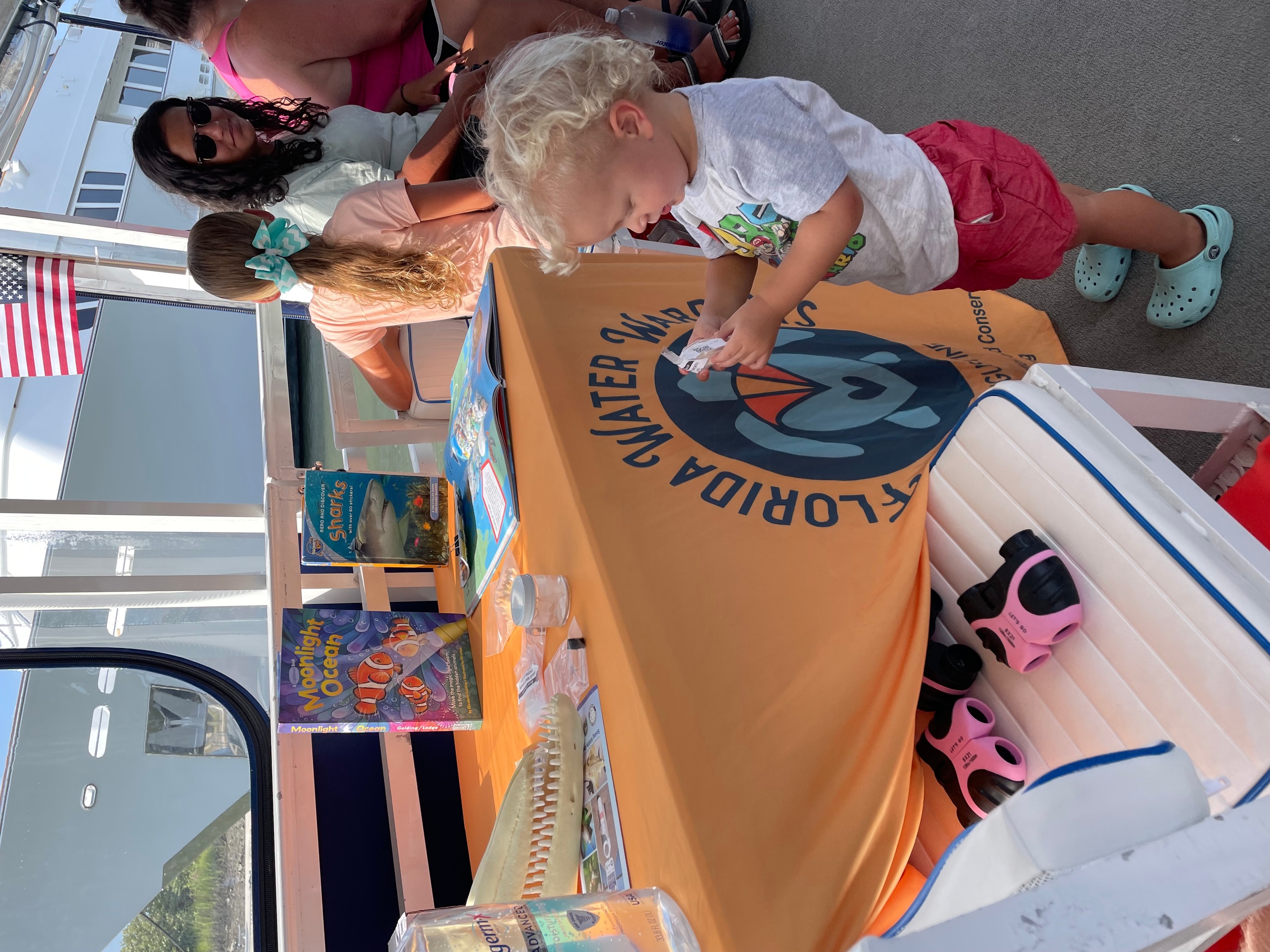
Saint Johns boat tour
Year-round destination

Seasonal highlights change the reason to go

Winter favors humpback encounters; warmer, calmer months favor snorkeling visibility and smoother water.

Humpback season

Sea turtle nesting (May–August) and winter/spring bird migration (December–April) bring the most visitors and guided-program demand.

Prime whale watching, winter holidays, higher demand, and earlier sell-outs.

Snorkeling window

February–March–April–May–June–October–November

Typically gentler seas and clearer water for snorkeling trips.

Weather notes

Trade winds year-round

Coastal Florida is humid and warm most of the year. Winters are mild and comfortable for long field days; spring brings migration and increasing heat; summer is hot with high humidity and frequent afternoon thunderstorms—also the peak of sea turtle nesting. Tidal timing and moon phase influence access and visibility at mudflats and nesting beaches.

Quieter opportunities

Late spring & summer weekdays

Summer weekdays can be quieter for boat and kayak tours outside of nesting-focused programs; morning and evening windows are best to avoid heat and maximize sightings.

Match the trip to your comfort

Choose Your Experience Level

Low effort

Beginner

Gentle, low-effort encounters suitable for families and casual travelers—beach walks, short boardwalks, and guided boat tours focused on dolphin and manatee viewing.

  • Guided dolphin/estuary boat tour
  • Short marsh boardwalk and birding loop
  • Family-friendly sea turtle education talk (daytime programs)
Active day trip

Intermediate

Requires basic paddling skills or willingness to be on the water for half-days; better for photographers and active birders who want closer access to creek edges and tidal flats.

  • Half-day kayak birding in Pellicer Creek
  • Sunset estuary cruise for wading birds and shorebirds
  • Guided snorkeling or nearshore marine life trip
Longer or technical

Advanced

For experienced paddlers, wildlife researchers, and volunteers comfortable with night operations and variable tidal navigation—may include monitoring, long backcountry paddles, or solo photography missions.

  • Multi-mile backcountry paddle through GTM side channels
  • Volunteer-led nesting and hatchling monitoring (trained participants)
  • All-day photo expeditions timed to tide and light

Prepare for sun, spray, and swell

What to Bring

Essential

Core kit

  • Binoculars and a small spotting scope (if you have one)
  • Water, sun protection (hat, SPF), and light long sleeves
  • Insect repellent and quick-drying clothing
  • Waterproof or quick-dry footwear for paddles and muddy marsh edges
  • Reusable water bottle and small daypack
Recommended

Useful extras

  • Camera with a telephoto lens or high-zoom point-and-shoot
  • Portable tide table app or printed tide schedule
  • Light rain shell for sudden coastal showers
  • Dry bag for electronics on kayak or boat trips
  • Field guide or bird ID app
Optional

Trip-specific

  • Headlamp for guided night turtle walks (only when permitted)
  • Polarized sunglasses for spotting fish and dolphins
  • Small spotting scope for distant shorebird flocks
Always verify current access rules, tide charts, and protected-species guidelines before heading out. Many wildlife experiences depend on tides and official conservation seasons.

Insider Tips & Local Knowledge

Reserve whale-watching and popular sunset cruises well ahead during December–April.
Choose morning snorkeling departures for calmer seas and better underwater visibility.
For motion sensitivity, choose a larger vessel, sit mid-ship, and take preventative medication before boarding.
Do not touch coral or wildlife, avoid standing on reefs, and use reef-safe sunscreen.
Community-based operators may add context about traditional navigation and stewardship.
Arrive early for parking and check-in because Waikiki departure areas can be busy.

Planning questions

Frequently Asked Questions

Many beach turtle programs are guided and require reservations; independent nighttime beach access may be restricted during nesting season—check local managers and join sanctioned walks to avoid disturbing nests.
Top 8 Wildlife Experiences in Saint Johns, Florida
Ready for your wildlife adventure?

Browse 8 verified trips in Saint Johns.

Compare current availability and book with instant confirmation.

Explore Saint Johns wildlife