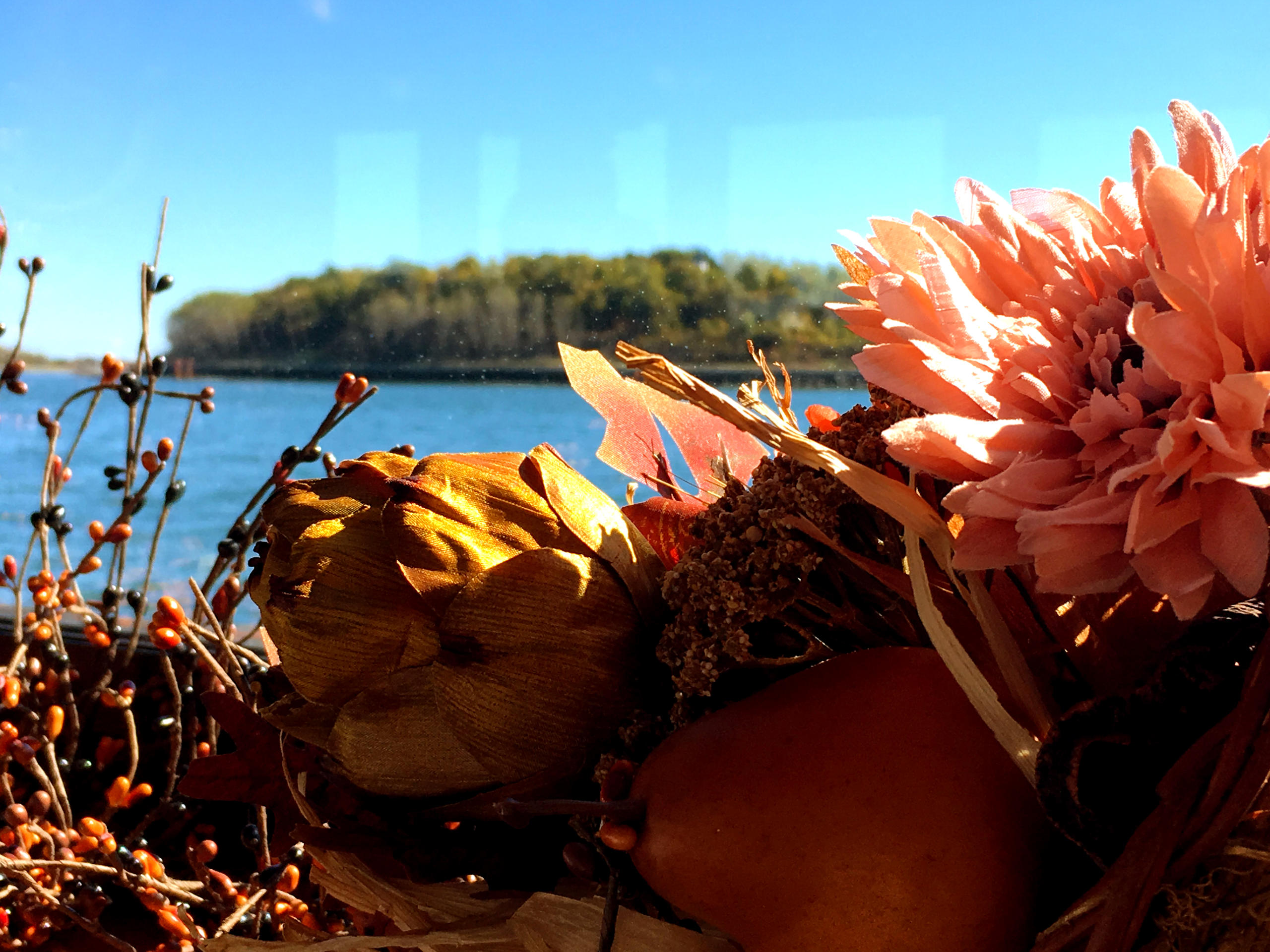
There is a distinct, slow-motion clarity to traveling by ferry along the Salisbury shoreline. You leave the grid of beach-town streets and, within minutes, trade the cadence of car engines and traffic lights for gull calls, wind on the rail, and a ribbon of salt marsh that folds into open water. Ferries here are not just infrastructure—they're a way to reframe the coast. The short hops across the Merrimack's lower reaches and the seasonal crossings toward Plum Island and adjacent harbors compress the region's varied habitats into a handful of minutes: tidal flats scalloped with channels; the grassy backs of barrier beaches; the distant silhouette of lighthouses and rusted pilings; and the low rise of New England towns that learned to live with the sea.
That change of scale—land to tidal estuary—is what makes ferry travel in Salisbury so rewarding. For birders, migratory seasons turn the trip into a moving blind: shorebirds fan out across exposed sandbars at low tide, and raptors quarter the marsh edges. For photographers the light is honest and unadorned; an hour-long crossing can produce both crystalline morning reflections and a bruised, painterly sky at dusk. For families and casual adventurers, a ferry ride transforms a beach day into a micro-expedition: drop off at a Plum Island trailhead, walk to a protected beach, and return with memories that feel bigger than the miles covered. For locals, ferries are a connective tissue—linking bicyclists to bike-path networks, boaters to slip rentals upriver, and paddlers to calm launch points inaccessible from shore roads.
Beyond sensory pleasures, ferry travel in Salisbury is practical and modular. Many operators work to accommodate bicycles and foot passengers, which means a day planned around a ferry is often more flexible than one tied to parking. The routes also extend the options for complementary activities: pair a short island hop with a seaside nature center visit, combine a sunset cruise with a harbor-front seafood dinner, or use a commuter crossing as the first leg of a multiday coastal bike loop. Seasonality matters—the busiest and most reliable services run in warm months when daylight extends later and wildlife viewing peaks—but off-season ferry charters and private shuttles can still be arranged for groups with specific interests. In short, a ferry from Salisbury is both a simple passage and an invitation: to slow down, to read coastal terrain, and to stitch together experiences—birding, beachcombing, kayaking, and seaside dining—that together define the region.
Short crossings reveal layered coastal habitats—salt marshes, mudflats, and barrier beaches—within minutes.
Ferries expand access to Plum Island trails, seabird viewing points, and Newburyport's historic waterfront without the hassle of seasonal parking.
The harbor is the gateway, and the Pacific becomes the classroom.
Many services are foot- and bike-friendly, which turns a ferry hop into the start of a longer coastal ride or paddling route.
Seasonal schedules mean peak operations align with summer tourism and spring/fall bird migrations; plan accordingly.
Choose by purpose
Whale watching, snorkeling, sunset sailing, cultural canoeing, harbor sightseeing, or private chartering.
Start near the city
Waikiki and Honolulu Harbor are primary hubs, with some trips launching near Hanauma Bay.
Confirm the vessel
Gangways, shaded seating, and boarding requirements vary according to vessel size and operator.